
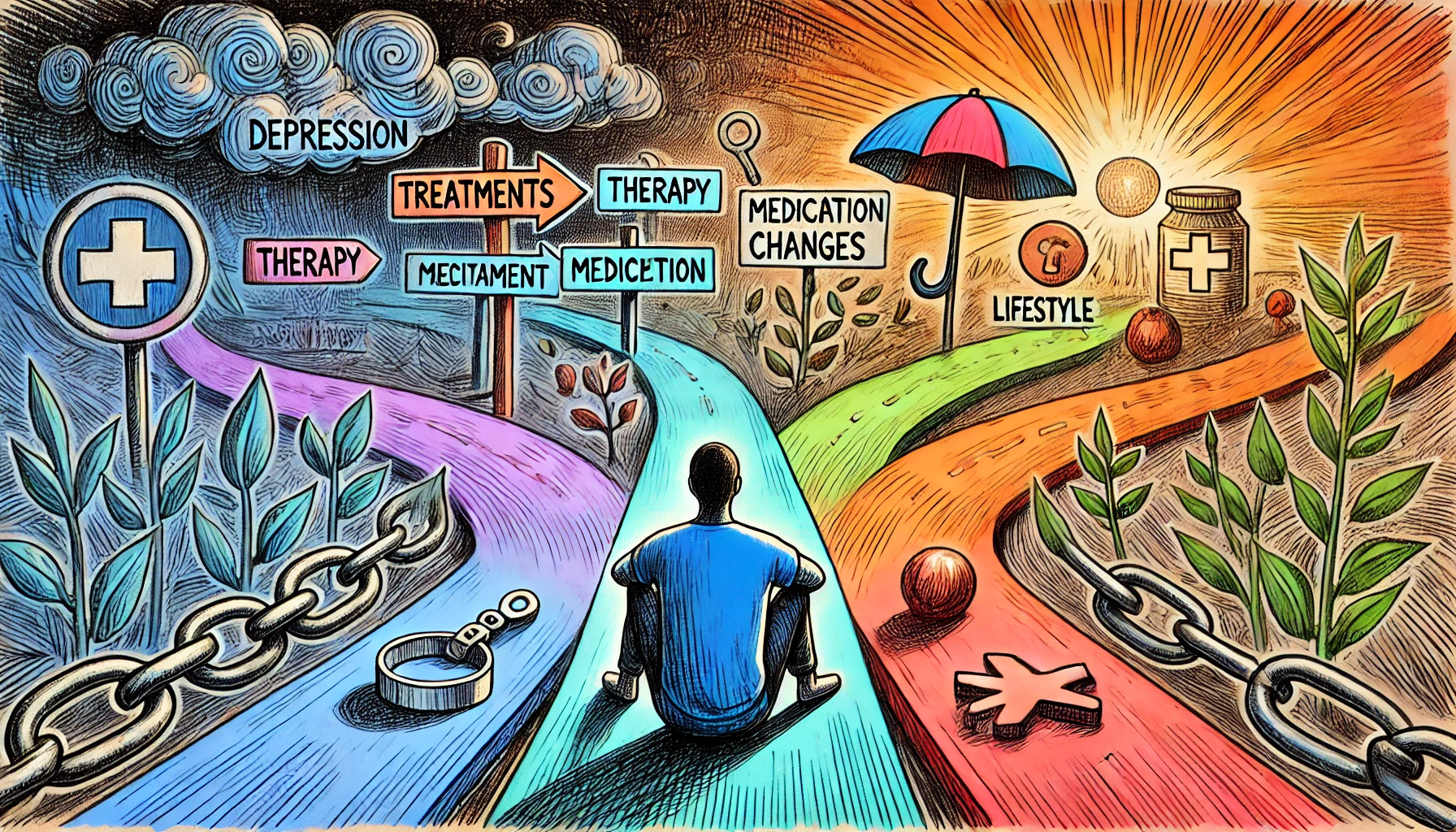
Treatment-resistant depression (TRD) is a complex and challenging form of major depressive disorder (MDD) that does not respond to traditional antidepressant treatments. While depression is a common mental health condition, affecting millions worldwide, most people experience significant relief from symptoms with standard treatments like antidepressants or psychotherapy. However, individuals with TRD do not experience adequate improvement, even after trying multiple treatment options. This lack of response can be frustrating and disheartening, both for patients and healthcare providers.
Understanding treatment-resistant depression is crucial for developing effective treatment strategies. It requires a more nuanced approach that may involve different medications, combinations of therapies, or advanced treatments like electroconvulsive therapy (ECT) or transcranial magnetic stimulation (TMS). This blog will delve into the symptoms, causes, and potential treatments for TRD, offering insight into this challenging condition.
1. Defining Treatment-Resistant Depression
- Lack of Response to Standard Treatments: TRD is typically defined as depression that does not respond to at least two different antidepressant medications, given at the appropriate dose and duration. This resistance indicates that the usual therapeutic approach is not effective.
- Partial Response: In some cases, individuals may experience a partial response, where symptoms improve but do not fully remit. This partial relief is still considered treatment-resistant if significant symptoms persist.
- Chronic Nature: TRD is often chronic, with symptoms persisting over a long period despite treatment efforts. This ongoing struggle can lead to feelings of hopelessness and despair.
- Severity of Symptoms: The severity of symptoms in TRD can vary but generally includes persistent feelings of sadness, hopelessness, and a lack of interest in daily activities, along with possible physical symptoms like fatigue and changes in appetite or sleep patterns.
- Comprehensive Evaluation: Diagnosing TRD requires a thorough evaluation to rule out other possible causes for the lack of response, such as incorrect diagnosis, medication non-adherence, or underlying medical conditions.
2. Potential Causes and Contributing Factors
- Biological Factors: Differences in brain chemistry, particularly involving neurotransmitters like serotonin, dopamine, and norepinephrine, may contribute to TRD. Structural or functional abnormalities in certain brain regions, such as the prefrontal cortex or amygdala, can also play a role.
- Genetic Predisposition: A genetic predisposition to depression can influence an individual’s response to treatment. Certain genetic factors may make some individuals more resistant to standard antidepressant medications.
- Medication Metabolism: Variations in how individuals metabolize medications can affect treatment outcomes. Some people may metabolize drugs too quickly or too slowly, impacting the effectiveness of antidepressants.
- Underlying Medical Conditions: Medical conditions such as thyroid disorders, chronic pain, or neurological diseases can interfere with the treatment of depression and contribute to treatment resistance.
- Psychosocial Factors: Ongoing stressors, such as relationship problems, financial difficulties, or a lack of social support, can exacerbate depression and make it more resistant to treatment.
3. Diagnosis of Treatment-Resistant Depression
- Clinical Assessment: A comprehensive clinical assessment is essential for diagnosing TRD. This includes a detailed psychiatric history, evaluation of current and past treatments, and assessment of symptom severity and duration.
- Ruling Out Other Conditions: It’s important to rule out other mental health conditions that can mimic or coexist with depression, such as bipolar disorder, anxiety disorders, or personality disorders, which may require different treatment approaches.
- Medication Adherence: Assessing medication adherence is crucial, as some individuals may not respond to treatment due to inconsistent use or incorrect dosing of medications.
- Evaluation of Treatment Response: Determining the adequacy of previous treatments is key. This involves evaluating whether the correct medication doses were used for an appropriate duration and whether combinations of therapies were explored.
- Physical Examination and Lab Tests: A physical examination and lab tests may be conducted to rule out medical conditions that could contribute to depressive symptoms, such as thyroid dysfunction or vitamin deficiencies.
4. Common Symptoms of Treatment-Resistant Depression
- Persistent Depressive Mood: Individuals with TRD experience a persistent depressive mood that does not improve significantly with standard treatments. This includes ongoing feelings of sadness, emptiness, or hopelessness.
- Lack of Energy and Fatigue: Chronic fatigue and a lack of energy are common in TRD, making it difficult for individuals to carry out daily activities or find motivation for even simple tasks.
- Sleep Disturbances: Sleep disturbances, such as insomnia or hypersomnia, are prevalent in TRD and can exacerbate other symptoms, including fatigue and difficulty concentrating.
- Impaired Concentration: TRD often involves cognitive symptoms, such as difficulty concentrating, making decisions, or remembering details, which can impact work and personal life.
- Physical Symptoms: In addition to emotional and cognitive symptoms, TRD can include physical symptoms such as changes in appetite, weight gain or loss, and chronic pain or gastrointestinal issues.
5. Standard Treatments and Their Limitations
- Antidepressant Medications: Standard treatment for depression typically involves antidepressant medications, such as selective serotonin reuptake inhibitors (SSRIs) or serotonin-norepinephrine reuptake inhibitors (SNRIs). However, these medications may not be effective for individuals with TRD.
- Psychotherapy: Cognitive-behavioral therapy (CBT) and other forms of psychotherapy are often used alongside medication. While helpful for many, some individuals with TRD may not respond adequately to these therapies.
- Medication Combinations: Combining different antidepressants or augmenting them with other medications, such as antipsychotics or mood stabilizers, is a common strategy. However, finding the right combination can be challenging and may not always result in a full response.
- Duration of Treatment: Some individuals may not respond to treatment due to an inadequate trial period. Antidepressants often require several weeks to show full effects, and prematurely discontinuing treatment can lead to perceived treatment resistance.
- Side Effects and Tolerability: Side effects of medications can limit treatment options. Some individuals may not tolerate certain medications well, leading to discontinuation or suboptimal dosing, which can contribute to treatment resistance.
6. Advanced Treatment Options for TRD
- Electroconvulsive Therapy (ECT): ECT is a highly effective treatment for severe TRD, particularly when rapid symptom relief is needed. It involves the use of electrical currents to induce controlled seizures, which can lead to significant improvements in mood.
- Transcranial Magnetic Stimulation (TMS): TMS is a non-invasive procedure that uses magnetic fields to stimulate nerve cells in the brain. It is considered a safe and effective option for individuals who have not responded to other treatments.
- Ketamine Infusions: Ketamine, an anesthetic drug, has shown rapid antidepressant effects in individuals with TRD. Administered in a controlled clinical setting, ketamine infusions can provide rapid relief from depressive symptoms, although the effects are often temporary.
- Vagus Nerve Stimulation (VNS): VNS involves the implantation of a device that sends electrical impulses to the vagus nerve. It is used for individuals with TRD who have not responded to other treatments, although it requires surgical intervention.
- Augmentation Strategies: Augmenting antidepressants with other medications, such as antipsychotics, mood stabilizers, or thyroid hormones, can enhance treatment efficacy for some individuals with TRD.
7. Role of Psychotherapy in Managing TRD
- Cognitive Behavioral Therapy (CBT): CBT focuses on changing negative thought patterns and behaviors that contribute to depression. It can be particularly helpful for individuals with TRD when combined with other treatments.
- Interpersonal Therapy (IPT): IPT addresses interpersonal issues and relationship problems that may contribute to depressive symptoms. Improving social support and communication skills can enhance treatment outcomes.
- Dialectical Behavior Therapy (DBT): DBT is a form of therapy that combines cognitive-behavioral techniques with mindfulness practices. It is effective for individuals with TRD who also struggle with emotional regulation and self-destructive behaviors.
- Psychodynamic Therapy: This approach explores unconscious conflicts and past experiences that may contribute to current depressive symptoms. It can provide deeper insight into the underlying causes of TRD.
- Acceptance and Commitment Therapy (ACT): ACT focuses on accepting difficult emotions and thoughts while committing to actions that align with personal values. It can help individuals with TRD develop coping strategies and improve quality of life.
8. Lifestyle Modifications and Self-Management Strategies
- Regular Exercise: Engaging in regular physical activity can help alleviate symptoms of depression by releasing endorphins and improving overall well-being. Exercise can also improve sleep quality and reduce stress.
- Healthy Diet: A balanced diet rich in nutrients can support mental health. Incorporating foods high in omega-3 fatty acids, antioxidants, and vitamins can have a positive impact on mood.
- Sleep Hygiene: Establishing a consistent sleep schedule and creating a relaxing bedtime routine can improve sleep quality and reduce fatigue, which can help manage symptoms of TRD.
- Stress Management: Techniques such as mindfulness meditation, deep breathing exercises, and yoga can help reduce stress and improve emotional resilience. Managing stress effectively can alleviate some of the symptoms associated with TRD.
- Social Support: Building and maintaining a strong support network of family, friends, and support groups can provide emotional support and reduce feelings of isolation. Engaging in social activities can also boost mood and provide a sense of purpose.
9. The Importance of Ongoing Support and Monitoring
- Regular Follow-Up Appointments: Ongoing monitoring by healthcare providers is crucial for individuals with TRD. Regular appointments allow for the assessment of treatment response, side effects, and the need for adjustments in the treatment plan.
- Multi-Disciplinary Approach: A multi-disciplinary approach involving psychiatrists, psychologists, therapists, and primary care providers can provide comprehensive care for individuals with TRD. Collaboration among healthcare providers can lead to more effective treatment strategies.
- Patient Education: Educating patients about TRD, including the nature of the condition and the potential for improvement with appropriate treatment, can empower them to take an active role in their care.
- Crisis Intervention: Individuals with TRD may be at an increased risk of suicidal thoughts or behaviors. Having a crisis plan in place and access to emergency support services is essential for ensuring patient safety.
- Long-Term Management: TRD often requires long-term management, including ongoing therapy, medication adjustments, and lifestyle modifications. Recognizing the need for sustained support can help improve long-term outcomes.
10. Future Directions in the Treatment of TRD
- Research on Novel Therapies: Ongoing research into new treatments, such as psychedelic-assisted therapy (e.g., psilocybin) and deep brain stimulation (DBS), shows promise for individuals with TRD who have not responded to traditional treatments.
- Personalized Medicine: Advances in genetic testing and pharmacogenomics may allow for more personalized treatment approaches, tailoring medications and therapies based on an individual’s genetic profile and specific neurobiological factors.
- Improving Accessibility: Increasing access to advanced treatments, such as TMS and ketamine infusions, is essential for providing effective care to individuals with TRD. Efforts to make these treatments more widely available can improve outcomes.
- Enhancing Treatment Adherence: Developing strategies to improve treatment adherence, such as medication reminders, telehealth support, and patient education, can enhance the effectiveness of treatment for TRD.
- Reducing Stigma: Reducing the stigma associated with TRD and mental health treatment is crucial for encouraging individuals to seek help and engage in ongoing care. Public awareness campaigns and education can play a key role in changing perceptions.
Conclusion
Treatment-resistant depression is a challenging condition that requires a comprehensive and individualized approach to care. Unlike typical depression, TRD does not respond to standard treatments, necessitating the exploration of advanced therapies and innovative strategies. Understanding the potential causes and contributing factors of TRD is crucial for developing effective treatment plans. Advanced treatments such as ECT, TMS, and ketamine infusions, along with a multi-disciplinary approach, can offer hope to individuals struggling with this condition.
Managing TRD involves a combination of medication, psychotherapy, lifestyle modifications, and ongoing support. It requires persistence and collaboration between patients and healthcare providers to find the most effective treatment strategies. As research continues to explore new therapies and personalized approaches, there is hope for improved outcomes and quality of life for those affected by treatment-resistant depression.