
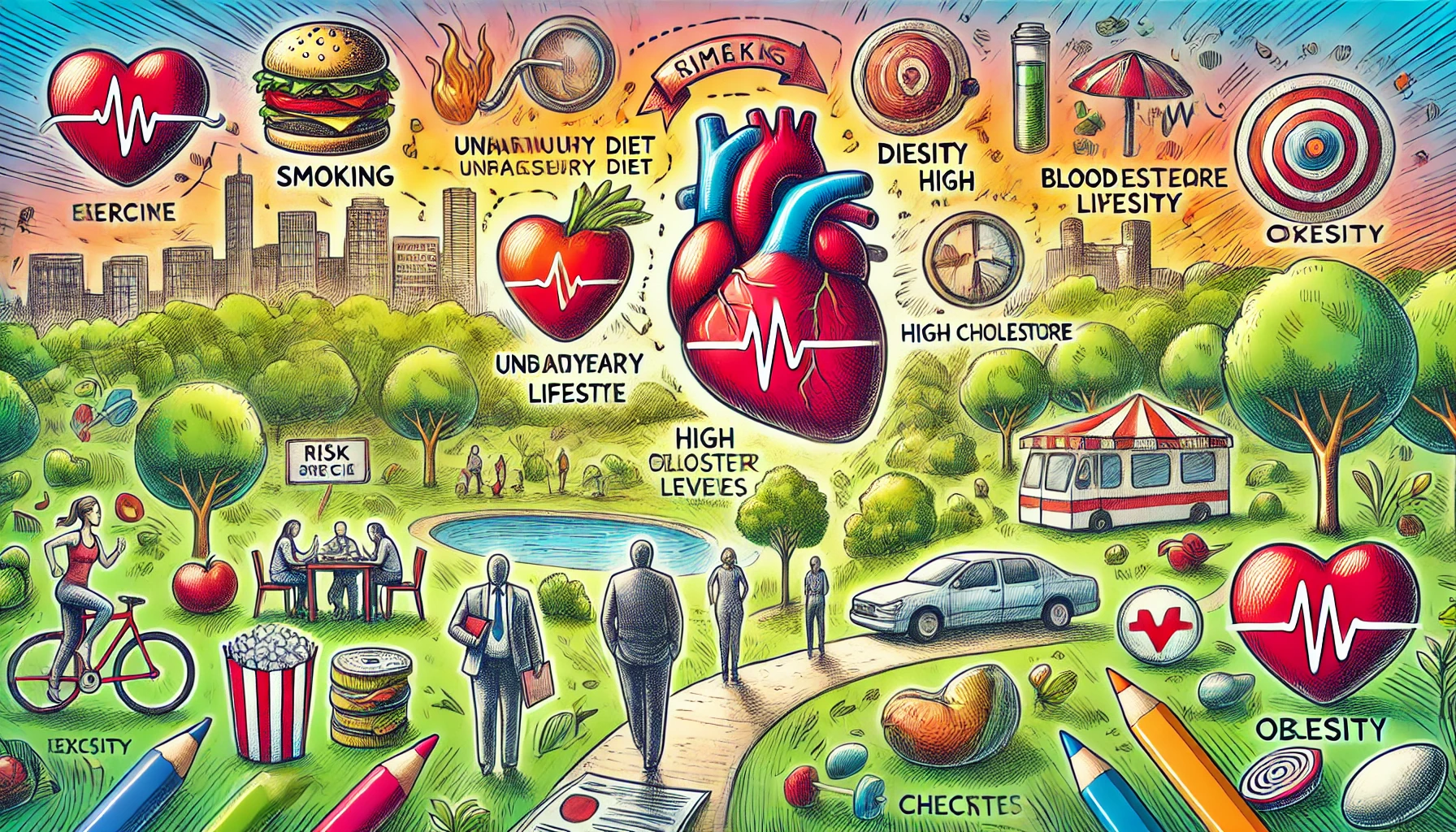
Heart disease remains a leading cause of death globally, affecting millions of individuals each year. Understanding the risk factors associated with heart disease is crucial for prevention and early intervention. These risk factors can be categorized into modifiable and non-modifiable, each playing a significant role in determining an individual’s likelihood of developing heart disease. By gaining insight into these factors, people can take proactive steps to protect their heart health.
The complexity of heart disease necessitates a comprehensive approach to prevention. While some risk factors, such as age and genetics, cannot be altered, many others are within an individual’s control. This blog delves into the various risk factors for heart disease, offering detailed information and practical tips to manage and mitigate these risks. Armed with this knowledge, individuals can make informed decisions to enhance their cardiovascular health and reduce the likelihood of heart disease.
1. Age and Gender
- Increasing age: The risk of heart disease increases with age, particularly after 45 for men and 55 for women.
- Gender differences: Men are generally at higher risk for heart disease earlier in life compared to women.
- Menopause: Post-menopausal women face a higher risk due to a decrease in protective estrogen levels.
- Early intervention: Awareness of age-related risk can prompt earlier lifestyle changes and medical check-ups.
- Monitoring health: Regular screenings for blood pressure, cholesterol, and other indicators become increasingly important with age.
2. Family History
- Genetic predisposition: A family history of heart disease increases the risk, particularly if close relatives developed heart disease at an early age.
- Inherited conditions: Genetic factors can contribute to conditions like high cholesterol and hypertension.
- Preventive care: Those with a family history should engage in regular health screenings and adopt heart-healthy habits early.
- Genetic counseling: Consulting with a genetic counselor can provide insights into inherited risks and preventive measures.
- Awareness and education: Understanding family history helps individuals stay vigilant about potential symptoms and risks.
3. High Blood Pressure
- Hypertension: Chronic high blood pressure damages arteries, making them more susceptible to heart disease.
- Silent killer: Often, hypertension presents no symptoms, making regular monitoring essential.
- Dietary adjustments: Reducing sodium intake, eating potassium-rich foods, and maintaining a balanced diet can help manage blood pressure.
- Physical activity: Regular exercise helps maintain healthy blood pressure levels.
- Medication adherence: Following prescribed treatment plans is crucial for controlling hypertension.
4. High Cholesterol
- LDL vs. HDL: High levels of low-density lipoprotein (LDL) cholesterol can lead to plaque buildup in arteries, while high-density lipoprotein (HDL) cholesterol helps remove bad cholesterol from the bloodstream.
- Dietary impact: Foods high in saturated and trans fats can raise LDL cholesterol levels.
- Healthy fats: Incorporating monounsaturated and polyunsaturated fats from sources like olive oil, nuts, and fish can improve cholesterol levels.
- Regular screenings: Periodic cholesterol tests can help track and manage cholesterol levels.
- Medications: Statins and other medications may be prescribed to help manage high cholesterol.
5. Smoking
- Cardiovascular damage: Smoking damages the lining of arteries, leading to atherosclerosis and increased risk of heart disease.
- Reduced oxygen: Carbon monoxide from smoking reduces oxygen in the blood, forcing the heart to work harder.
- Quitting benefits: Stopping smoking reduces heart disease risk significantly within a few years.
- Support systems: Programs, counseling, and nicotine replacement therapies can assist in quitting smoking.
- Avoiding secondhand smoke: Exposure to secondhand smoke also increases heart disease risk.
6. Diabetes
- Blood sugar impact: High blood sugar levels damage blood vessels and nerves controlling the heart.
- Type 2 diabetes: Often linked to obesity and physical inactivity, it significantly increases heart disease risk.
- Blood sugar management: Maintaining healthy blood sugar levels through diet, exercise, and medication is crucial.
- Regular monitoring: Frequent checks of blood sugar levels help manage diabetes effectively.
- Weight management: Maintaining a healthy weight helps prevent and manage diabetes.
7. Obesity
- Increased workload: Excess weight forces the heart to work harder, increasing the risk of heart disease.
- Associated conditions: Obesity is often linked with hypertension, diabetes, and high cholesterol, all of which heighten heart disease risk.
- Healthy eating: Adopting a balanced diet rich in fruits, vegetables, and whole grains supports weight management.
- Physical activity: Regular exercise aids in weight loss and maintenance.
- Behavioral changes: Sustainable lifestyle changes are key to long-term weight management.
8. Physical Inactivity
- Sedentary lifestyle: Lack of exercise contributes to obesity, high blood pressure, and high cholesterol.
- Heart health benefits: Regular physical activity strengthens the heart, improves circulation, and helps maintain healthy weight.
- Recommended exercise: Aim for at least 150 minutes of moderate aerobic activity per week.
- Incorporating movement: Simple changes like walking more and taking the stairs can increase daily activity levels.
- Consistency: Regular physical activity is essential for maintaining cardiovascular health.
9. Poor Diet
- Unhealthy eating habits: Diets high in saturated fats, trans fats, sodium, and added sugars increase heart disease risk.
- Nutrient-dense foods: Emphasizing fruits, vegetables, whole grains, lean proteins, and healthy fats supports heart health.
- Portion control: Managing portion sizes helps prevent overeating and weight gain.
- Healthy alternatives: Opting for healthier food choices can significantly impact heart health.
- Hydration: Drinking plenty of water and limiting sugary beverages contribute to a heart-healthy diet.
10. Stress
- Emotional impact: Chronic stress can lead to behaviors that increase heart disease risk, such as poor diet, physical inactivity, and smoking.
- Physical effects: Stress hormones can increase blood pressure and inflammation.
- Stress management: Techniques like meditation, yoga, and deep breathing exercises can help manage stress.
- Support networks: Social support from friends and family provides emotional relief and reduces stress.
- Professional help: Therapy or counseling can offer strategies for coping with stress effectively.
Understanding and addressing the risk factors for heart disease is crucial for prevention. While some factors are beyond individual control, many can be managed through lifestyle changes and medical interventions. By adopting a heart-healthy diet, engaging in regular physical activity, quitting smoking, and managing stress, individuals can significantly reduce their risk of heart disease. Regular health screenings and staying informed about heart health are also vital steps in maintaining cardiovascular well-being.
In conclusion, recognizing and mitigating the risk factors for heart disease empowers individuals to take proactive steps towards a healthier heart. Embracing a balanced lifestyle that includes healthy eating, regular exercise, and effective stress management can lead to a longer, healthier life. By prioritizing heart health today, individuals can reduce their risk of heart disease and enjoy improved overall well-being.