
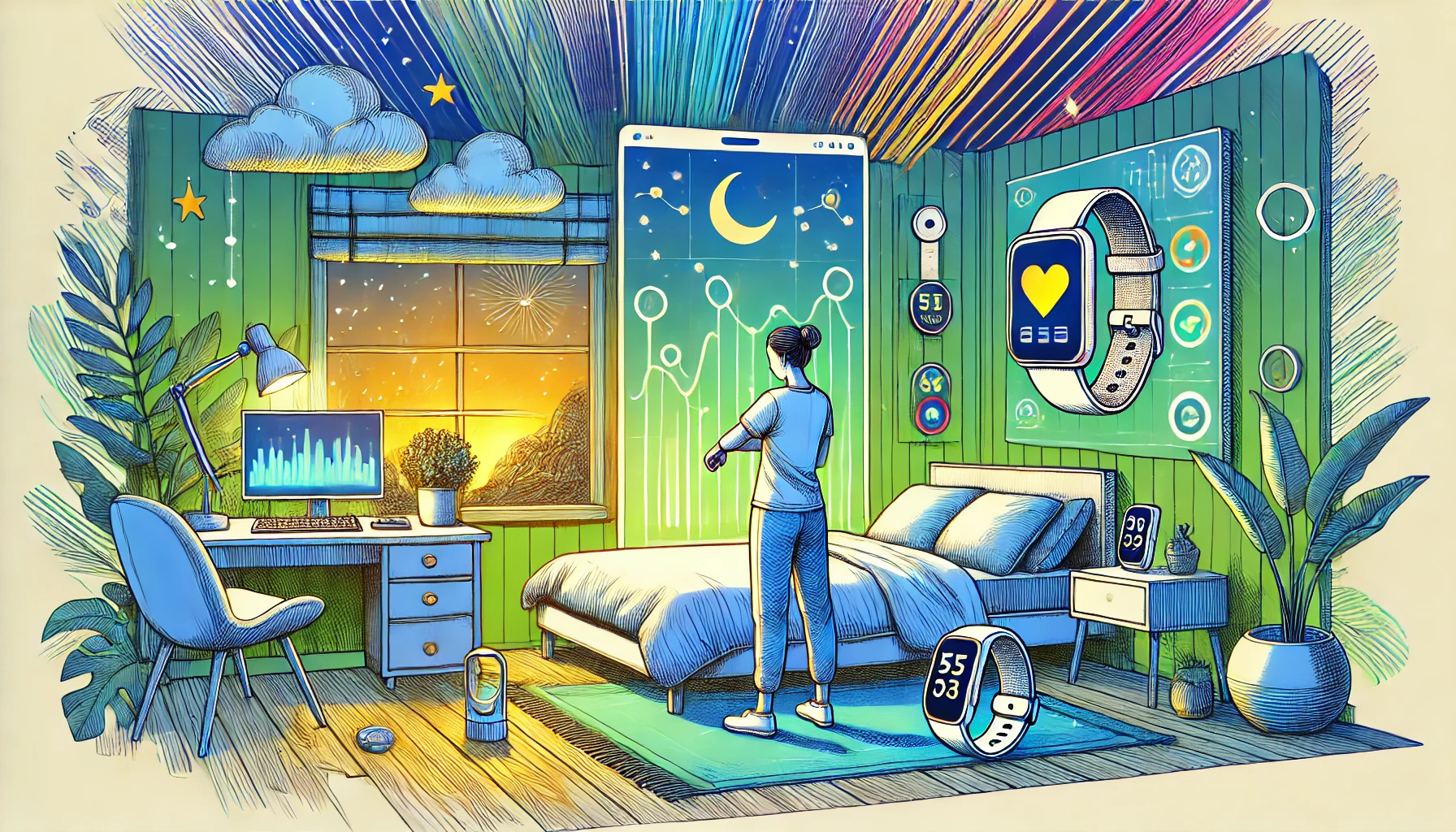
Sleep trackers provide a wealth of information about your sleep patterns, offering valuable insights that can help improve your sleep quality and overall health. However, understanding the data these devices generate can be challenging. This blog will guide you through the key metrics provided by sleep trackers, explaining what they mean and how you can use this information to enhance your sleep and well-being.
Quality sleep is essential for mental and physical health, affecting everything from mood regulation and cognitive function to physical recovery and immune health. By effectively interpreting the data from your sleep tracker, you can make informed decisions to optimize your sleep hygiene and overall lifestyle.
1. Sleep Stages
- Light Sleep: Light sleep is a transitional stage between wakefulness and deeper sleep stages. It is relatively easy to wake from and helps with physical recovery and memory consolidation.
- Deep Sleep: Deep sleep is the most restorative sleep stage, essential for physical recovery, tissue repair, and immune function. It is harder to wake from and crucial for feeling refreshed.
- REM Sleep: REM (Rapid Eye Movement) sleep is associated with dreaming and cognitive functions such as memory and learning. It is vital for emotional regulation and mental health.
2. Sleep Duration
- Total Sleep Time: This metric indicates the total amount of time spent asleep during the night. Most adults need 7-9 hours of sleep per night for optimal health.
- Sleep Efficiency: Sleep efficiency measures the percentage of time spent asleep while in bed. A high sleep efficiency indicates good sleep quality, typically above 85%.
- Sleep Latency: Sleep latency refers to the time it takes to fall asleep after going to bed. Ideally, this should be less than 20 minutes.
3. Wakefulness
- Awake Time: This metric shows the total time spent awake during the night. Frequent awakenings can indicate sleep disturbances and affect overall sleep quality.
- Number of Awakenings: The number of times you wake up during the night can help identify factors that may be disrupting your sleep, such as noise or discomfort.
- Wake After Sleep Onset (WASO): WASO measures the total time awake after initially falling asleep. High WASO can indicate fragmented sleep.
4. Heart Rate Monitoring
- Resting Heart Rate: Your resting heart rate during sleep provides insights into your cardiovascular health and fitness levels. A lower resting heart rate typically indicates better cardiovascular fitness.
- Heart Rate Variability (HRV): HRV measures the variation in time between heartbeats. Higher HRV is associated with better stress resilience and recovery, while lower HRV can indicate stress or fatigue.
- Nightly Heart Rate Trends: Monitoring heart rate trends throughout the night can help identify periods of stress or relaxation and their impact on sleep quality.
5. Blood Oxygen Levels
- SpO2 Monitoring: Blood oxygen level monitoring (SpO2) during sleep can help detect potential sleep disorders such as sleep apnea. Normal SpO2 levels typically range between 95-100%.
- Oxygen Desaturation Events: Tracking periods of low blood oxygen levels can provide critical information about breathing irregularities during sleep.
6. Sleep Score
- Overall Sleep Score: Many sleep trackers provide a composite sleep score based on various metrics, including sleep stages, duration, efficiency, and disturbances. This score offers a quick snapshot of your sleep quality.
- Components of Sleep Score: Understanding the individual components that contribute to your sleep score can help you identify specific areas for improvement.
7. Stress and Recovery Metrics
- Stress Levels: Some sleep trackers measure stress levels using heart rate variability and other indicators. High stress levels can negatively impact sleep quality.
- Recovery Index: The recovery index evaluates how well your body recovers during sleep, based on factors like heart rate, HRV, and sleep stages. A high recovery index indicates effective rest and recovery.
8. Environmental Factors
- Room Temperature: Monitoring room temperature can help you adjust your sleep environment for optimal comfort. Ideal sleeping temperatures typically range between 60-67°F (15-19°C).
- Noise Levels: Tracking noise levels can identify disruptions from external sounds. Using earplugs or a white noise machine can help mitigate these disturbances.
- Light Exposure: Monitoring light exposure can help you create a dark, sleep-conducive environment. Consider using blackout curtains or a sleep mask to reduce light exposure.
9. Trends and Patterns
- Weekly and Monthly Trends: Analyzing sleep data over weeks or months can reveal long-term patterns and help you identify consistent factors affecting your sleep.
- Lifestyle Correlations: Comparing sleep data with other lifestyle factors, such as physical activity, diet, and stress levels, can help you understand how these elements interact and influence your sleep.
10. Personalized Recommendations
- Tailored Tips: Many sleep trackers provide personalized tips based on your sleep data, such as adjusting your bedtime routine, improving sleep environment, or modifying lifestyle habits.
- Goal Setting: Setting sleep goals based on your data can help you focus on specific areas for improvement and track your progress over time.
- Sleep Coaching: Some advanced sleep trackers offer sleep coaching services, providing customized advice and support to help you achieve better sleep.
Conclusion
Understanding the data from your sleep tracker is crucial for making informed decisions to improve your sleep quality. By interpreting key metrics such as sleep stages, duration, wakefulness, heart rate, and environmental factors, you can identify patterns and areas for improvement. Leveraging this information, along with personalized recommendations, can help you enhance your sleep hygiene, mental health, and overall well-being. Investing time in understanding your sleep data empowers you to take proactive steps towards achieving restful and restorative sleep.