
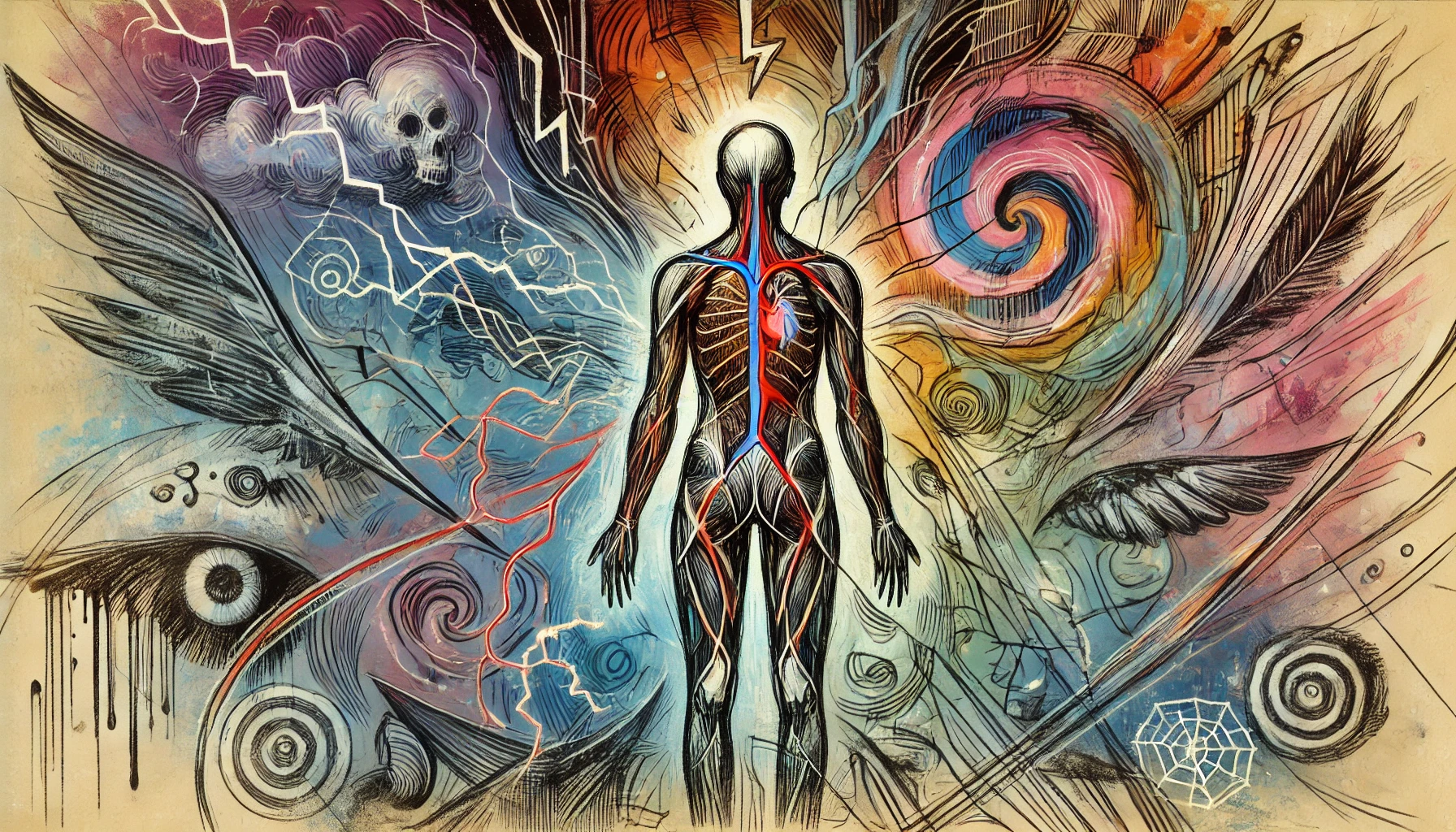
Depression is often perceived as a purely emotional or mental condition, but it frequently has physical manifestations as well. One of the less understood aspects of depression is its connection to physical pain. Many individuals with depression experience chronic pain, which can include headaches, muscle aches, joint pain, and digestive problems. This physical discomfort can exacerbate depressive symptoms, creating a cycle that is challenging to break. Understanding the connection between depression and physical pain is crucial for effective treatment and support.
The relationship between depression and physical pain is complex and bidirectional. Depression can increase sensitivity to pain, while chronic pain can lead to or worsen depressive symptoms. This overlap is due to shared pathways in the brain and nervous system that regulate mood and pain perception. By exploring how depression and physical pain are connected, we can develop more comprehensive approaches to treatment that address both the emotional and physical aspects of this condition.
How Depression Influences Physical Pain
- Neurotransmitter Imbalance
- Depression is associated with imbalances in neurotransmitters like serotonin and norepinephrine, which play crucial roles in regulating both mood and pain perception.
- Serotonin and norepinephrine help modulate pain signals in the brain and spinal cord. When levels of these neurotransmitters are low, as is often the case in depression, the body’s ability to manage pain is diminished.
- This reduced pain modulation can lead to an increased sensitivity to pain, a phenomenon known as hyperalgesia, where individuals feel pain more intensely than usual.
- The overlap between the neural pathways that control mood and pain explains why individuals with depression often experience chronic pain symptoms.
- Medications that target these neurotransmitter systems, such as selective serotonin reuptake inhibitors (SSRIs) and serotonin-norepinephrine reuptake inhibitors (SNRIs), can be effective in alleviating both depressive symptoms and physical pain.
- Inflammation and Immune System Response
- Research has shown that depression is linked to increased levels of inflammation in the body, with elevated levels of pro-inflammatory cytokines such as interleukin-6 (IL-6) and tumor necrosis factor-alpha (TNF-α).
- Inflammation can sensitize the nervous system to pain signals, making the body more responsive to pain stimuli and potentially leading to chronic pain conditions.
- This inflammatory response may not only contribute to the sensation of pain but also exacerbate depressive symptoms, creating a feedback loop between depression and pain.
- Chronic inflammation can also impact the brain, affecting areas involved in mood regulation and pain perception, further linking the two conditions.
- Anti-inflammatory treatments and lifestyle changes, such as exercise and dietary adjustments, may help reduce inflammation and alleviate both physical pain and depression.
Common Types of Physical Pain Associated with Depression
- Headaches and Migraines
- Headaches are a common physical symptom of depression, with tension headaches being the most frequently reported type.
- Tension headaches are often characterized by a dull, aching sensation on both sides of the head, which can be accompanied by a feeling of pressure or tightness around the forehead or neck.
- Depression can also exacerbate the frequency and intensity of migraines, with individuals experiencing more severe and frequent migraine attacks during depressive episodes.
- The connection between depression and headaches is likely due to the interplay between neurotransmitter imbalances, stress, and changes in blood flow to the brain.
- Managing depression through medication, therapy, and stress-reduction techniques can help reduce the occurrence and severity of headaches.
- Muscle Aches and Joint Pain
- Many people with depression report experiencing muscle aches and joint pain, even in the absence of any underlying physical condition.
- This pain can manifest as generalized soreness, stiffness, or discomfort in the muscles and joints, making physical activity and daily tasks more challenging.
- Depression can lead to increased muscle tension and reduced physical activity, both of which can contribute to muscle and joint pain.
- The body’s stress response, which is often heightened in depression, can also cause muscle tension and inflammation, leading to physical discomfort.
- Gentle exercise, relaxation techniques, and physical therapy can help alleviate muscle and joint pain associated with depression.
The Bidirectional Relationship Between Depression and Chronic Pain
- Chronic Pain as a Risk Factor for Depression
- Chronic pain conditions, such as fibromyalgia, arthritis, and back pain, are associated with a higher risk of developing depression.
- Living with chronic pain can lead to emotional distress, feelings of helplessness, and a reduced quality of life, which can contribute to the onset of depressive symptoms.
- The constant physical discomfort and limitations imposed by chronic pain can affect an individual’s ability to engage in social, work, and recreational activities, leading to social isolation and decreased self-esteem.
- Chronic pain and depression often share common risk factors, such as a history of trauma, stress, and genetic predisposition, making individuals with chronic pain more vulnerable to developing depression.
- Comprehensive treatment plans that address both pain and emotional health are essential for improving outcomes for individuals with chronic pain and depression.
- Depression Worsening Chronic Pain Perception
- Depression can alter the brain’s perception of pain, making chronic pain feel more intense and harder to manage.
- This heightened pain perception can result from changes in brain areas involved in processing pain signals, such as the prefrontal cortex and anterior cingulate cortex.
- Individuals with depression may also have a lower pain threshold, meaning they perceive pain at lower levels of intensity than those without depression.
- The emotional distress and negative thought patterns associated with depression can amplify the experience of pain, creating a vicious cycle where pain and depression feed into each other.
- Cognitive-behavioral therapy (CBT) and other psychological interventions can help individuals develop coping strategies to manage both depression and pain perception.
Managing Depression-Related Physical Pain
- Integrated Treatment Approaches
- Given the interconnected nature of depression and physical pain, an integrated treatment approach that addresses both conditions is often most effective.
- This approach may include a combination of medication, such as antidepressants and pain relievers, to target the biological aspects of both depression and pain.
- Psychotherapy, particularly cognitive-behavioral therapy (CBT), can help individuals change negative thought patterns and develop coping strategies to manage both emotional and physical symptoms.
- Physical therapy, exercise, and relaxation techniques such as yoga and meditation can help alleviate physical pain and improve mood.
- A multidisciplinary team, including mental health professionals, primary care providers, and physical therapists, can provide comprehensive care for individuals with depression and chronic pain.
- Lifestyle Modifications
- Lifestyle changes can play a significant role in managing depression-related physical pain, improving overall well-being and quality of life.
- Regular physical activity, such as walking, swimming, or yoga, can help reduce muscle tension, increase endorphin levels, and improve mood and pain perception.
- A balanced diet rich in anti-inflammatory foods, such as fruits, vegetables, whole grains, and omega-3 fatty acids, can help reduce inflammation and support brain health.
- Adequate sleep is essential for managing both depression and pain, as poor sleep can exacerbate symptoms and lower pain tolerance.
- Stress management techniques, such as mindfulness meditation, deep breathing exercises, and progressive muscle relaxation, can help reduce the impact of stress on both mood and physical pain.
The Importance of Awareness and Support
- Recognizing the Signs
- Understanding that physical pain can be a symptom of depression is important for early identification and treatment of both conditions.
- Individuals experiencing unexplained physical pain, particularly if it is accompanied by other symptoms of depression such as low mood, fatigue, or loss of interest in activities, should seek a comprehensive evaluation from a healthcare provider.
- Recognizing the signs of depression-related pain can lead to more accurate diagnoses and more effective treatment plans that address the full spectrum of symptoms.
- Healthcare providers should be aware of the connection between depression and physical pain and consider both conditions when assessing patients presenting with chronic pain.
- Educating patients about the link between depression and physical pain can empower them to seek help and engage in their treatment.
- Providing Emotional and Practical Support
- Support from family, friends, and healthcare professionals is crucial for individuals coping with both depression and physical pain.
- Loved ones can provide emotional support by offering understanding, patience, and encouragement, helping the individual feel less isolated and more motivated to seek treatment.
- Practical support, such as assisting with daily tasks or accompanying the individual to medical appointments, can alleviate some of the burdens associated with physical pain and depression.
- Encouraging open communication about both emotional and physical symptoms can help the individual feel validated and supported in their journey toward recovery.
- Support groups, whether in-person or online, can offer a sense of community and shared experience for individuals dealing with depression and chronic pain.
Conclusion
The connection between depression and physical pain is complex and multifaceted, involving shared pathways in the brain and nervous system that regulate mood and pain perception. Depression can increase sensitivity to pain, while chronic pain can contribute to or worsen depressive symptoms. Recognizing this interplay is crucial for developing effective treatment plans that address both the emotional and physical aspects of depression.
Integrated treatment approaches, including medication, therapy, lifestyle modifications, and support from loved ones, can help individuals manage the impact of depression and physical pain on their lives. By raising awareness and understanding of this connection, we can reduce stigma and encourage more comprehensive care for those affected. Ultimately, addressing both depression and physical pain holistically can improve outcomes and enhance the quality of life for individuals living with these conditions.