
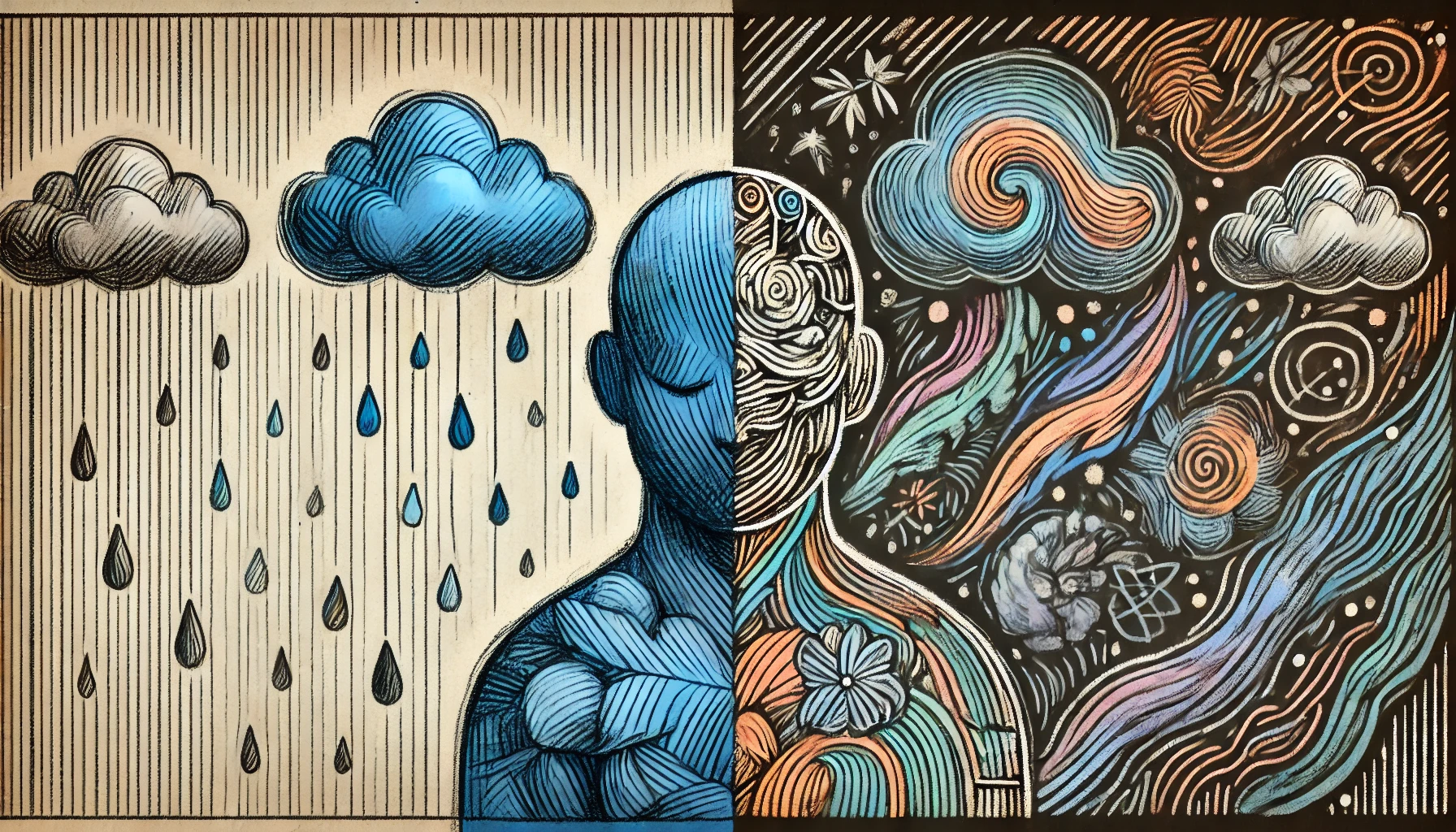
Depression and sadness are often confused, but they are fundamentally different experiences. While sadness is a normal, temporary emotional response to specific events or situations, depression is a pervasive and chronic mental health condition. Understanding the distinction between the two is crucial for recognizing when someone might need professional help. This blog aims to clarify the key differences between depression and sadness, exploring how each affects individuals differently in terms of duration, intensity, impact on daily life, and underlying causes.
Sadness is a natural human emotion that everyone experiences at various points in life. It usually has a clear cause and fades with time as individuals process their feelings. In contrast, depression is more complex and can arise without an obvious trigger. It affects not only mood but also physical health, cognition, and behavior. By distinguishing between sadness and depression, we can better understand the signs of each and when to seek appropriate support and intervention.
Duration and Persistence
- Sadness is Temporary
- Sadness typically lasts for a short period, usually days to a couple of weeks, depending on the situation that triggered it.
- It is an emotional response to specific events such as a loss, disappointment, or challenging experience.
- With time, support, and healthy coping mechanisms, individuals usually recover from sadness and return to their normal emotional state.
- Sadness can come and go, often influenced by thoughts or reminders of the event, but it doesn’t persist constantly.
- Engaging in activities, social interactions, and positive experiences can help alleviate sadness over time.
- Depression is Prolonged
- Depression is a long-lasting condition that persists for weeks, months, or even years if left untreated.
- The Diagnostic and Statistical Manual of Mental Disorders (DSM-5) defines depression as experiencing symptoms most of the day, nearly every day, for at least two weeks.
- Individuals with depression may struggle to recall a time when they felt genuinely happy or content.
- Unlike sadness, depression doesn’t necessarily have a specific trigger and can occur even in the absence of stressful life events.
- Without proper treatment, depression can become a chronic condition that severely impacts quality of life.
Intensity and Impact on Functioning
- Sadness Allows for Normal Functioning
- Even when feeling sad, individuals can usually carry on with their daily responsibilities and activities.
- Sadness might cause a temporary decline in motivation or energy, but it doesn’t completely hinder one’s ability to function.
- People experiencing sadness can still find enjoyment in certain activities and maintain social connections.
- The ability to engage in self-care, work, and social interactions remains largely intact, though it may require more effort.
- Sadness can be alleviated by support from friends, family, or engaging in activities that bring comfort and solace.
- Depression Impairs Daily Life
- Depression significantly disrupts an individual’s ability to function in various areas of life, including work, school, and personal relationships.
- Common symptoms include persistent fatigue, loss of interest in activities, difficulty concentrating, and changes in appetite and sleep patterns.
- Individuals may find it challenging to complete even simple tasks, and the thought of facing daily responsibilities can feel overwhelming.
- Depression often leads to social withdrawal, as individuals may lack the energy or desire to interact with others.
- The impairment caused by depression can lead to a downward spiral, where decreased functioning exacerbates feelings of worthlessness and hopelessness.
Emotional Experience and Expression
- Sadness is Contextual
- Sadness is usually linked to a specific cause or situation, such as a breakup, job loss, or the death of a loved one.
- The emotional experience of sadness is often characterized by feelings of grief, disappointment, or longing.
- When the situation improves or the individual has had time to process the event, the sadness typically diminishes.
- Sadness can be expressed through crying, talking about feelings, or seeking comfort from others.
- This emotional response can be an important part of the healing process, helping individuals to cope with and understand their experiences.
- Depression is Pervasive
- Depression is not necessarily tied to a specific event and can occur without any identifiable cause, making it difficult for individuals to explain their feelings.
- The emotional experience of depression goes beyond sadness to include a pervasive sense of hopelessness, emptiness, and despair.
- Individuals with depression may feel emotionally numb or disconnected, unable to experience joy or even sadness in a meaningful way.
- The intensity of these emotions can lead to feelings of guilt, self-blame, and worthlessness, regardless of external circumstances.
- Unlike sadness, which can be shared and processed with others, depression often leads to isolation and a reluctance to express emotions.
Physical and Cognitive Symptoms
- Sadness Lacks Severe Physical Symptoms
- While sadness can lead to physical sensations such as a lump in the throat or a heaviness in the chest, it generally does not cause severe physical symptoms.
- Temporary changes in appetite or sleep patterns may occur but usually resolve as the individual processes their feelings.
- The physical effects of sadness are often mild and do not interfere significantly with daily functioning.
- Sadness does not typically involve chronic fatigue, muscle pain, or other somatic complaints associated with depression.
- The body’s natural stress response may be activated during sadness, but it does not persist in the same way as it does with depression.
- Depression Involves Significant Physical Symptoms
- Depression can cause a range of physical symptoms, including chronic fatigue, headaches, digestive issues, and generalized aches and pains.
- Changes in appetite and weight are common, with individuals experiencing either significant weight loss or gain.
- Sleep disturbances such as insomnia or hypersomnia are hallmark symptoms, contributing to the overall sense of exhaustion.
- Cognitive symptoms include difficulty concentrating, indecisiveness, and memory problems, often referred to as “brain fog.”
- These physical and cognitive symptoms are not just byproducts of a low mood but integral components of the depressive disorder.
Response to External Factors
- Sadness is Influenced by Situations
- Sadness is often alleviated by positive changes in circumstances or supportive social interactions.
- Receiving comfort from loved ones, engaging in enjoyable activities, or experiencing a resolution to the cause of sadness can lead to an improved mood.
- Individuals experiencing sadness can still appreciate and respond positively to external factors that provide comfort or joy.
- The emotional response to sadness can be cathartic, allowing for the expression and release of pent-up emotions.
- This capacity for emotional regulation helps individuals move through sadness and eventually regain their emotional balance.
- Depression Persists Despite External Changes
-
- Depression often persists regardless of changes in circumstances or efforts to engage in activities that once brought pleasure.
- Positive events or interactions may have little to no impact on the individual’s mood, a phenomenon known as anhedonia.
- The lack of response to external factors can lead to frustration and a sense of hopelessness, both for the individual and their loved ones.
- Even when individuals with depression attempt to engage in activities or social interactions, they may find little relief or enjoyment.
- This lack of responsiveness to positive stimuli is a key difference between depression and situational sadness.
Conclusion
Understanding the key differences between depression and sadness is essential for recognizing when a normal emotional response has escalated into a mental health condition requiring professional intervention. Sadness is a temporary, context-dependent emotion that allows for normal functioning and is often alleviated by changes in circumstances or supportive interactions. In contrast, depression is a pervasive and chronic disorder that significantly impairs daily functioning, involves severe physical and cognitive symptoms, and persists despite external changes.
Recognizing the signs of depression early can lead to timely intervention, reducing the risk of the condition worsening and improving the chances of recovery. It’s important to approach both sadness and depression with empathy and support, understanding that while sadness is a natural part of life, depression is a serious condition that necessitates professional treatment and ongoing support. By distinguishing between these two experiences, we can better support those in need and foster a more compassionate and informed approach to mental health.