
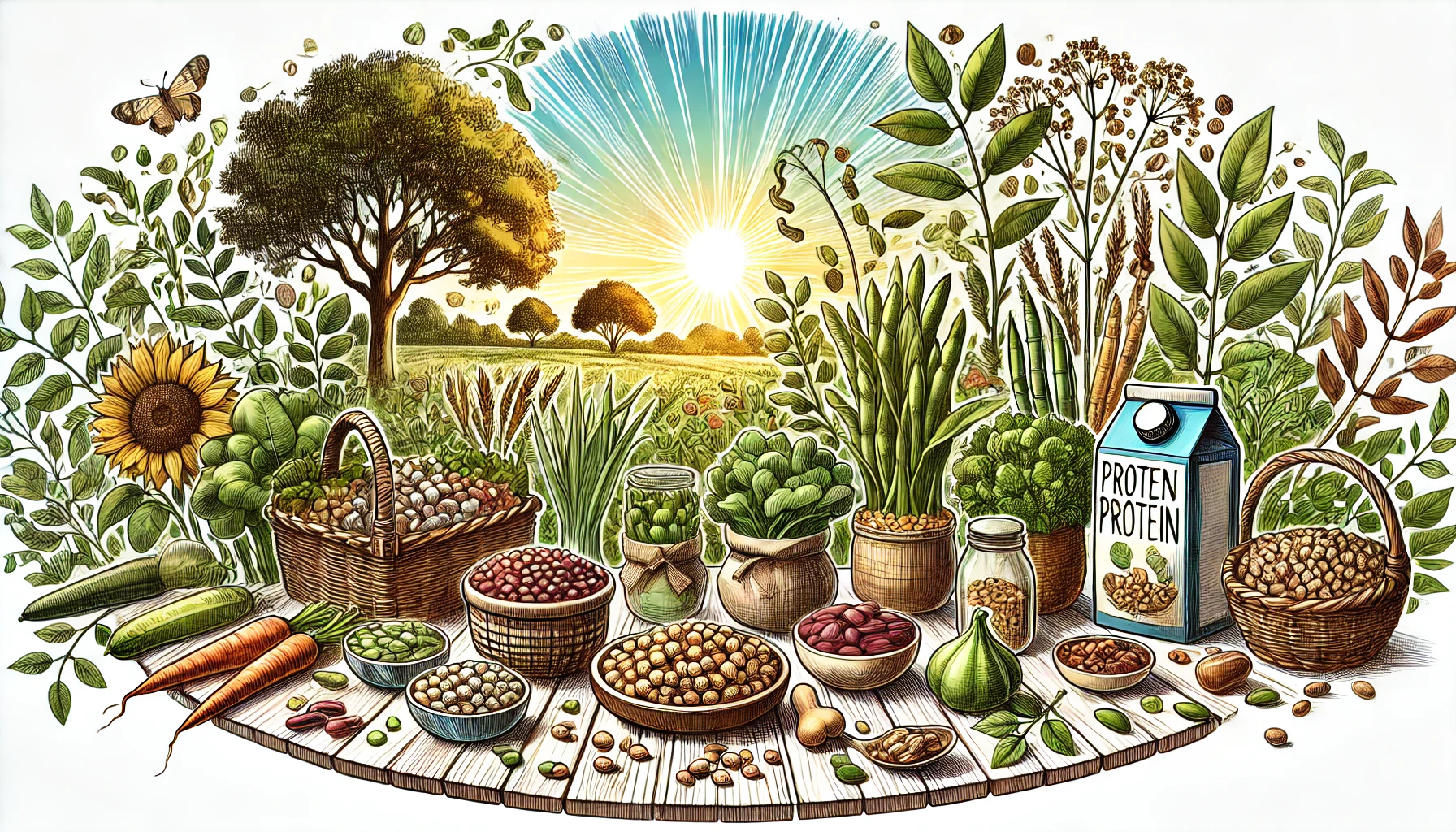
Incorporating sufficient protein into a plant-based diet is a common concern, but there are plenty of excellent plant-based sources that provide the necessary nutrients. Proteins are essential for various bodily functions, including muscle repair, immune function, and hormone production. While animal products are traditionally known for their high protein content, many plant-based foods offer substantial protein levels along with additional health benefits like fiber, vitamins, and minerals. Exploring these sources can ensure you meet your dietary protein needs while enjoying a diverse and nutritious diet.
Embracing plant-based protein sources can lead to various health benefits, including improved heart health, weight management, and better digestion. These sources are often lower in saturated fats and free from cholesterol, making them a heart-friendly choice. Moreover, plant-based proteins are packed with fiber, aiding in digestion and keeping you full longer. By incorporating a variety of these protein-rich foods into your diet, you can enjoy a balanced and fulfilling plant-based lifestyle.
1. Lentils
- Lentils are a powerhouse of protein, offering around 18 grams of protein per cooked cup.
- They are also rich in fiber, which aids in digestion and helps maintain a healthy gut.
- Lentils are versatile and can be used in soups, stews, salads, and even as a meat substitute in dishes like lentil loaf.
- They provide essential nutrients like iron, folate, and manganese, supporting overall health.
- Lentils are quick to cook and budget-friendly, making them an excellent staple in a plant-based diet.
2. Chickpeas
- Chickpeas, also known as garbanzo beans, provide about 15 grams of protein per cooked cup.
- They are a great source of dietary fiber, promoting digestive health and helping to control blood sugar levels.
- Chickpeas can be used in various dishes, such as hummus, salads, soups, and even roasted as a crunchy snack.
- They contain essential nutrients like iron, magnesium, and B vitamins, contributing to overall well-being.
- The versatility of chickpeas makes them an easy addition to many recipes, enhancing both nutrition and flavor.
3. Tofu
- Tofu, made from soybeans, is a highly versatile protein source with about 10 grams of protein per half-cup serving.
- It is rich in calcium and iron, making it a beneficial addition to a plant-based diet.
- Tofu can be used in a variety of dishes, from stir-fries and soups to smoothies and desserts, due to its ability to absorb flavors.
- It comes in different textures, such as silken, soft, firm, and extra firm, suitable for different culinary applications.
- Tofu is also a good source of isoflavones, which have been linked to various health benefits, including reduced inflammation and improved heart health.
4. Tempeh
- Tempeh, another soy-based protein, contains about 21 grams of protein per 4-ounce serving.
- It is fermented, which enhances its digestibility and adds beneficial probiotics to your diet.
- Tempeh has a firm texture and a nutty flavor, making it a great meat substitute in sandwiches, stir-fries, and salads.
- It is also rich in iron, calcium, and magnesium, contributing to a well-rounded nutrient profile.
- The fermentation process of tempeh can improve gut health and support a healthy microbiome.
5. Quinoa
- Quinoa is a complete protein, providing all nine essential amino acids, with about 8 grams of protein per cooked cup.
- It is gluten-free and high in fiber, making it suitable for people with gluten intolerance and promoting digestive health.
- Quinoa is versatile and can be used in salads, bowls, soups, and even as a breakfast cereal.
- It is rich in nutrients like magnesium, phosphorus, and manganese, supporting overall health.
- Quinoa is quick to cook and adds a unique texture and nutty flavor to dishes.
6. Black Beans
- Black beans offer about 15 grams of protein per cooked cup and are a staple in many plant-based diets.
- They are high in fiber, which aids in digestion and helps maintain stable blood sugar levels.
- Black beans are versatile and can be used in soups, stews, salads, and as a base for veggie burgers.
- They are also rich in antioxidants, particularly anthocyanins, which have anti-inflammatory and heart-protective properties.
- Black beans provide essential nutrients like iron, magnesium, and folate, contributing to overall health.
7. Chia Seeds
- Chia seeds provide about 5 grams of protein per ounce, along with a significant amount of omega-3 fatty acids.
- They are rich in fiber, which promotes digestive health and helps keep you full longer.
- Chia seeds can be added to smoothies, oatmeal, yogurt, and baked goods, or used to make chia pudding.
- They are also a good source of calcium, phosphorus, and magnesium, supporting bone health.
- Chia seeds have a unique ability to absorb liquid and form a gel-like consistency, making them useful as a thickening agent in recipes.
8. Hemp Seeds
- Hemp seeds offer about 10 grams of protein per 3-tablespoon serving and are considered a complete protein source.
- They are rich in healthy fats, particularly omega-3 and omega-6 fatty acids, which support heart health.
- Hemp seeds can be sprinkled on salads, smoothies, yogurt, and oatmeal, or used in baking.
- They are also a good source of vitamins and minerals, including magnesium, iron, and zinc.
- The nutty flavor and crunchy texture of hemp seeds make them a delicious addition to many dishes.
9. Edamame
- Edamame, or young soybeans, provide about 17 grams of protein per cooked cup.
- They are also high in fiber, vitamins, and minerals, making them a nutrient-dense snack or addition to meals.
- Edamame can be enjoyed on its own, added to salads, stir-fries, and soups, or blended into dips and spreads.
- They are rich in antioxidants, which help protect against oxidative stress and inflammation.
- Edamame is a convenient and quick protein source, as it can be found in the frozen section of most grocery stores and easily prepared.
10. Nuts and Nut Butters
- Nuts such as almonds, walnuts, and cashews provide a good amount of protein, ranging from 5 to 7 grams per ounce.
- Nut butters, like peanut butter and almond butter, offer a convenient and tasty way to increase protein intake.
- Nuts and nut butters are also rich in healthy fats, fiber, and various vitamins and minerals, supporting overall health.
- They can be added to smoothies, oatmeal, toast, and baked goods, or enjoyed as a snack on their own.
- Regular consumption of nuts has been linked to numerous health benefits, including improved heart health and weight management.
In conclusion, there are numerous plant-based protein sources that can meet your dietary needs while providing additional health benefits. By incorporating a variety of these foods into your diet, you can enjoy a balanced and nutritious plant-based lifestyle. From lentils and chickpeas to tofu, tempeh, and quinoa, each of these protein-rich foods offers unique flavors and nutrients that contribute to overall well-being.