
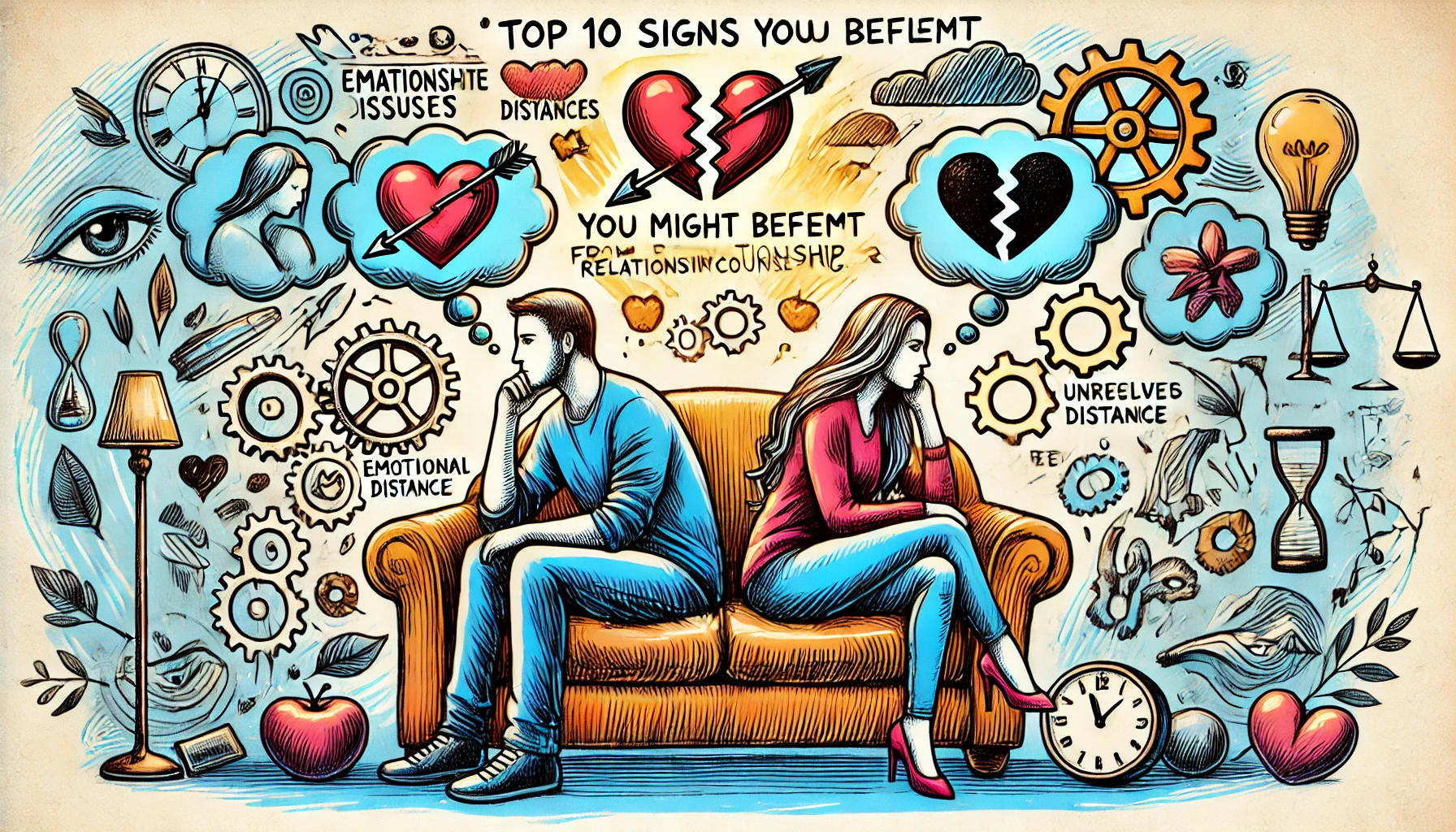
Navigating through a challenging relationship can be overwhelming, but recognizing when to seek professional guidance can make a significant difference. Often, couples are unsure whether they need counseling, especially when difficulties seem like temporary setbacks. However, ignoring signs of underlying issues can strain a relationship further, leading to emotional distance or unresolved conflicts. Relationship counseling can provide tools for better communication, conflict resolution, and emotional connection, improving relationship health. If you are wondering whether your relationship might benefit from counseling, look out for the following signs.
1. Frequent Miscommunication
- Consistent misunderstandings or feeling like your partner doesn’t “get you” can be a key indicator that counseling is necessary.
- Conversations often lead to frustration, arguments, or feelings of being dismissed or ignored.
- You may find that attempts to resolve issues only create more confusion or lead to misinterpretations.
- There is a constant sense of walking on eggshells, where both partners avoid discussing important topics out of fear of an argument.
- Counseling can help develop more effective communication skills and ensure both partners feel heard and understood.
2. Feeling Disconnected or Distant
- Emotional distance often creeps into relationships unnoticed, where you may feel like roommates rather than intimate partners.
- Physical intimacy may decline, which is often a reflection of emotional detachment.
- You or your partner might avoid spending time together, preferring solo activities over shared experiences.
- One or both of you might feel neglected, unappreciated, or as though the relationship has lost its spark.
- A counselor can assist in rebuilding emotional closeness and rediscovering shared interests or goals.
3. Recurring Conflicts
- Having the same arguments repeatedly without resolution is a common sign of deeper issues.
- These conflicts may range from small disagreements to more serious, recurring issues like finances, parenting, or household responsibilities.
- The inability to agree or find compromises can lead to resentment, making minor problems seem larger over time.
- Counseling provides strategies for resolving disputes healthily, helping couples break out of these negative cycles.
- Therapists can offer neutral perspectives, helping both partners understand each other’s viewpoints better.
4. Trust Issues
- A lack of trust, whether due to past infidelity or suspicion, can severely impact a relationship’s foundation.
- You may feel a constant need to check your partner’s actions or question their honesty.
- Trust issues can lead to anxiety, possessiveness, or the need for reassurance, all of which strain the relationship.
- Even if no infidelity has occurred, the fear of betrayal can be just as damaging as an actual breach of trust.
- Counselors help address the root causes of mistrust and create pathways toward rebuilding faith in each other.
5. Loss of Individuality
- Feeling like you have lost your sense of self within the relationship can be an indication that boundaries need to be re-established.
- You may sacrifice personal goals, hobbies, or friendships to meet your partner’s needs or avoid conflict.
- Over time, this loss of identity can lead to feelings of frustration, resentment, or even depression.
- Counseling can help restore individual identities within the relationship, emphasizing the importance of personal growth alongside relationship growth.
- Partners can learn to support each other’s independence while nurturing their connection.
6. Avoiding Difficult Conversations
- If you or your partner regularly avoid discussing sensitive topics, it may indicate a fear of conflict or discomfort in expressing emotions.
- Issues such as finances, future plans, or personal insecurities are often left unresolved, leading to tension.
- Avoidance may seem like a way to keep the peace, but it often causes long-term emotional build-up, resulting in an eventual blow-up.
- Relationship counseling creates a safe space where difficult conversations can be approached constructively.
- Therapists guide couples in tackling uncomfortable subjects without causing hurt or frustration.
7. Constant Criticism or Blame
- A dynamic where one partner is frequently criticized or blamed can create an unhealthy power imbalance.
- If conversations often involve pointing fingers or highlighting faults rather than finding solutions, resentment will likely build.
- This environment makes it difficult to work as a team, which is crucial for relationship success.
- Counseling helps couples move away from blame-shifting to focus on mutual understanding and collaborative problem-solving.
- It encourages both partners to reflect on their roles in conflicts and address them constructively.
8. Emotional Rollercoasters
- Relationships naturally have ups and downs, but constant emotional highs and lows can be exhausting and harmful.
- The cycle of intense love followed by anger or disappointment can create instability and insecurity.
- You may find yourself stuck in patterns where things seem fine one moment, but a minor issue escalates into a major conflict.
- This volatility makes it hard to establish a stable, trusting relationship foundation.
- Counseling helps couples regulate their emotional responses and foster a more balanced, consistent relationship.
9. Considering Separation or Divorce
- If thoughts of separation or divorce frequently surface, it’s a clear sign that professional help is needed.
- Even if these thoughts aren’t acted upon, harboring them can create emotional distance and reduce efforts to make the relationship work.
- Fear of confrontation or unresolved issues can make one or both partners feel that leaving is the only option.
- A therapist can help explore whether these feelings are a result of fixable problems or if separation is the best course of action.
- Counseling provides a structured environment to discuss these difficult feelings and the potential for reconciliation.
10. Changes in Life Circumstances
- Major life events such as the birth of a child, job changes, or moving to a new city can put additional strain on a relationship.
- These changes often require a reevaluation of roles and responsibilities, which can cause friction if not handled collaboratively.
- New challenges, like adjusting to parenthood or managing long-distance relationships, can amplify pre-existing tensions.
- Therapy helps couples navigate life transitions while maintaining emotional closeness and adapting to new roles.
- It provides tools for managing stress and ensuring that these changes strengthen rather than weaken the relationship.
Conclusion
Recognizing the signs that your relationship could benefit from counseling is the first step toward a healthier, more fulfilling partnership. Miscommunication, emotional distance, trust issues, and unresolved conflicts can slowly erode the connection between partners. While these challenges are common, they don’t have to lead to a relationship’s end. Relationship counseling offers a supportive space where couples can address these issues, learn effective communication techniques, and reconnect emotionally.
By seeking help early, you increase the chances of strengthening your relationship before problems become insurmountable. Whether you’re facing recurring conflicts, a loss of intimacy, or struggling to trust your partner, a counselor can guide you toward healthier interactions and deeper emotional understanding. Don’t wait until your relationship is on the brink—invest in its health and your mutual happiness through counseling.