
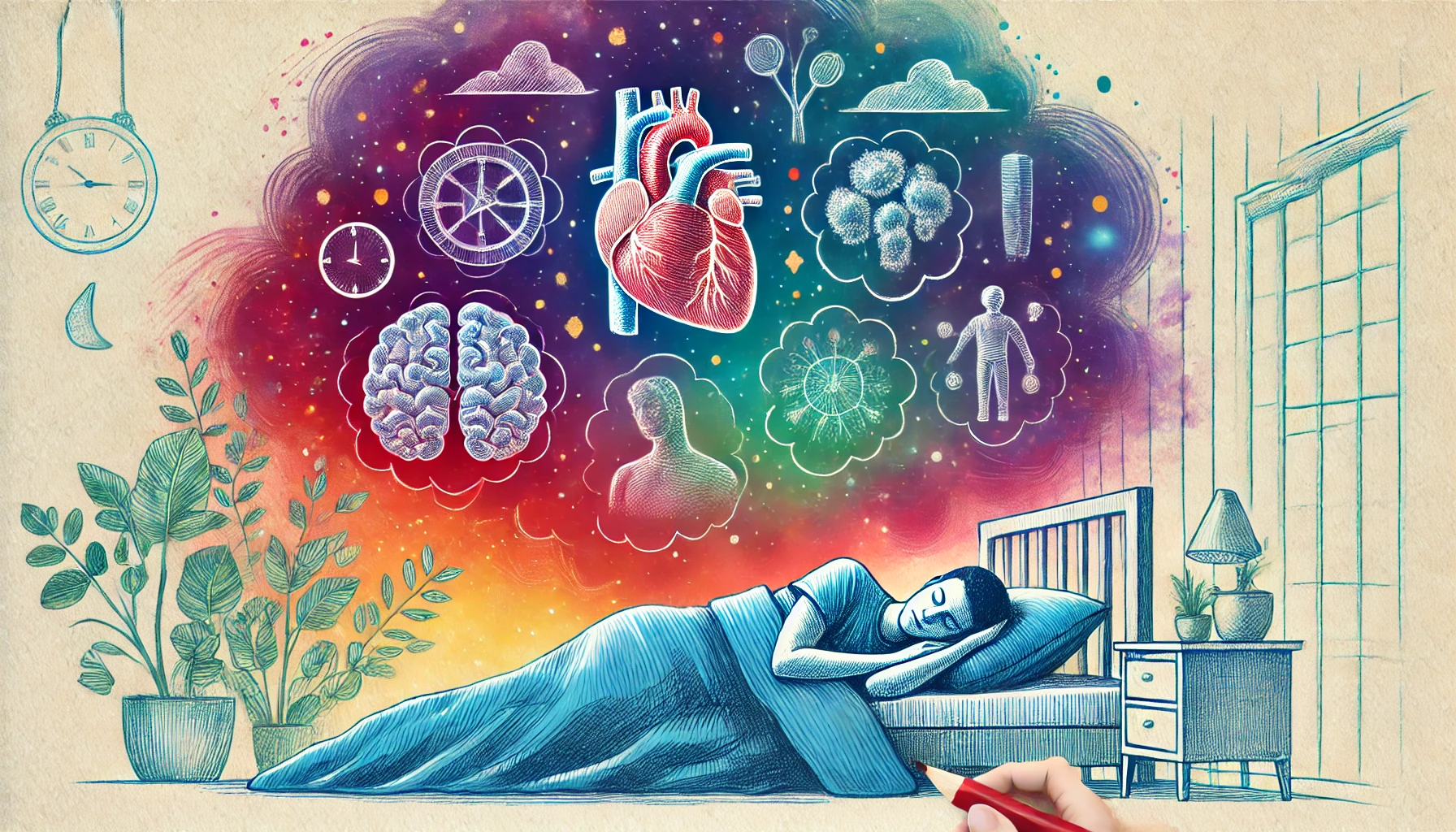
Sleep is an essential component of our daily lives, yet it often takes a backseat to the myriad demands of modern living. From work and social obligations to the lure of late-night entertainment, finding time for a restful night can seem challenging. However, the importance of good sleep cannot be overstated. Quality sleep is vital for physical health, mental clarity, and emotional well-being. In this blog, we will delve into the top 10 health benefits of good sleep, shedding light on why prioritizing rest is one of the best decisions you can make for your overall health.
The benefits of good sleep extend far beyond merely feeling refreshed in the morning. Proper sleep supports the body’s ability to repair and rejuvenate itself, significantly impacting various aspects of our health. It influences everything from cognitive function and emotional stability to immune defense and disease prevention. By understanding these benefits, we can appreciate the profound impact sleep has on our lives and make more informed choices to ensure we get the rest we need. Let’s explore these top 10 health benefits in detail to grasp how good sleep can transform our well-being.
1. Enhanced Cognitive Function
- Improved Memory: Sleep is crucial for memory consolidation, helping to process and store information gathered throughout the day.
- Better Concentration: Adequate sleep enhances attention and the ability to focus on tasks, boosting productivity and performance.
- Problem-Solving Skills: Quality sleep improves problem-solving abilities and creativity by enhancing brain function.
- Decision-Making: Well-rested individuals are better at making decisions, as sleep helps in regulating the brain’s decision-making processes.
- Learning Efficiency: Sleep supports the brain’s ability to learn and retain new information, making it essential for academic and professional success.
2. Emotional Stability
- Mood Regulation: Good sleep helps in regulating mood, reducing the risk of mood swings and irritability.
- Stress Reduction: Quality sleep lowers stress hormone levels, helping individuals manage stress more effectively.
- Mental Health: Regular sleep patterns contribute to better mental health, reducing the risk of depression and anxiety.
- Emotional Resilience: Sleep strengthens emotional resilience, enabling better coping mechanisms during challenging times.
- Social Interactions: Well-rested individuals tend to have more positive social interactions and better relationships.
3. Physical Health and Recovery
- Muscle Repair: During deep sleep, the body repairs muscles and tissues, essential for recovery from physical exertion.
- Growth Hormone Release: Sleep triggers the release of growth hormones that aid in growth, cell regeneration, and muscle development.
- Reduced Inflammation: Adequate sleep helps in reducing inflammation in the body, lowering the risk of chronic diseases.
- Heart Health: Good sleep promotes cardiovascular health by maintaining healthy blood pressure and reducing the risk of heart diseases.
- Improved Endurance: Athletes and active individuals benefit from better endurance and performance with sufficient rest.
4. Immune System Boost
- Enhanced Immune Response: Sleep strengthens the immune system, enabling it to fight off infections more effectively.
- Illness Prevention: Regular, quality sleep reduces the risk of common illnesses like colds and flu.
- Inflammation Control: Adequate sleep helps regulate immune response, preventing chronic inflammation.
- Faster Recovery: Good sleep aids in faster recovery from illness and injury by supporting the body’s natural healing processes.
- Vaccine Effectiveness: Studies show that well-rested individuals have a better response to vaccinations.
5. Weight Management
- Hormonal Balance: Sleep regulates hormones like ghrelin and leptin that control hunger and appetite.
- Metabolism Regulation: Adequate sleep supports a healthy metabolism, reducing the risk of obesity.
- Craving Control: Proper rest helps manage cravings for unhealthy foods, aiding in better dietary choices.
- Energy Levels: Well-rested individuals have higher energy levels, which supports regular physical activity.
- Fat Loss: Quality sleep is associated with more effective fat loss during weight management programs.
6. Improved Cardiovascular Health
- Blood Pressure Regulation: Sleep helps maintain healthy blood pressure levels, reducing the risk of hypertension.
- Heart Rate Control: Adequate sleep ensures proper heart rate variability, which is crucial for heart health.
- Reduced Stroke Risk: Regular sleep patterns lower the risk of stroke by maintaining vascular health.
- Cholesterol Management: Good sleep aids in managing cholesterol levels, reducing the risk of atherosclerosis.
- Circulatory System Health: Quality sleep supports the overall health of the circulatory system, promoting better oxygen and nutrient delivery to tissues.
7. Hormonal Health
- Endocrine Function: Sleep plays a key role in regulating endocrine functions, including the release of hormones like cortisol and insulin.
- Thyroid Health: Proper sleep supports thyroid function, which is crucial for metabolism and energy levels.
- Reproductive Health: Adequate sleep helps regulate reproductive hormones, impacting fertility and menstrual cycles.
- Stress Hormone Regulation: Quality sleep reduces excessive cortisol production, mitigating the effects of chronic stress.
- Blood Sugar Control: Sleep supports insulin sensitivity, which is vital for blood sugar regulation and diabetes prevention.
8. Enhanced Athletic Performance
- Reaction Time: Athletes with good sleep have faster reaction times, essential for competitive sports.
- Speed and Accuracy: Sleep improves speed and accuracy, contributing to better athletic performance.
- Muscle Strength: Adequate sleep supports muscle strength and endurance, crucial for physical activities.
- Injury Prevention: Well-rested athletes are less prone to injuries, as sleep aids in coordination and balance.
- Training Effectiveness: Sleep enhances the effectiveness of training by supporting recovery and adaptation processes.
9. Better Mental Health
- Depression Prevention: Good sleep reduces the risk of depression by maintaining neurotransmitter balance.
- Anxiety Reduction: Adequate sleep helps lower anxiety levels, providing a calmer state of mind.
- Cognitive Disorders: Regular sleep patterns reduce the risk of cognitive disorders, including dementia and Alzheimer’s disease.
- Emotional Regulation: Sleep aids in regulating emotions, helping to manage stress and prevent mental health issues.
- Psychological Well-being: Quality sleep contributes to overall psychological well-being, fostering a positive outlook on life.
10. Longevity and Quality of Life
- Life Expectancy: Regular, quality sleep is associated with increased life expectancy by reducing the risk of chronic diseases.
- Healthy Aging: Adequate sleep supports healthy aging, maintaining cognitive and physical functions in older adults.
- Quality of Life: Well-rested individuals tend to have a higher quality of life, enjoying better health and well-being.
- Disease Prevention: Good sleep helps prevent a range of diseases, including diabetes, cardiovascular diseases, and neurodegenerative conditions.
- Daily Functioning: Quality sleep enhances daily functioning, improving overall productivity and satisfaction with life.
In conclusion, prioritizing good sleep is one of the most beneficial steps you can take for your health. The profound impact of quality rest spans across physical, mental, and emotional well-being, highlighting the need to ensure we get enough sleep each night. By understanding and appreciating these benefits, we can make more informed choices to improve our sleep habits and overall quality of life.
The next time you consider cutting sleep short, remember the multitude of ways it supports your health and make the conscious decision to prioritize rest. Your body and mind will thank you for it.