
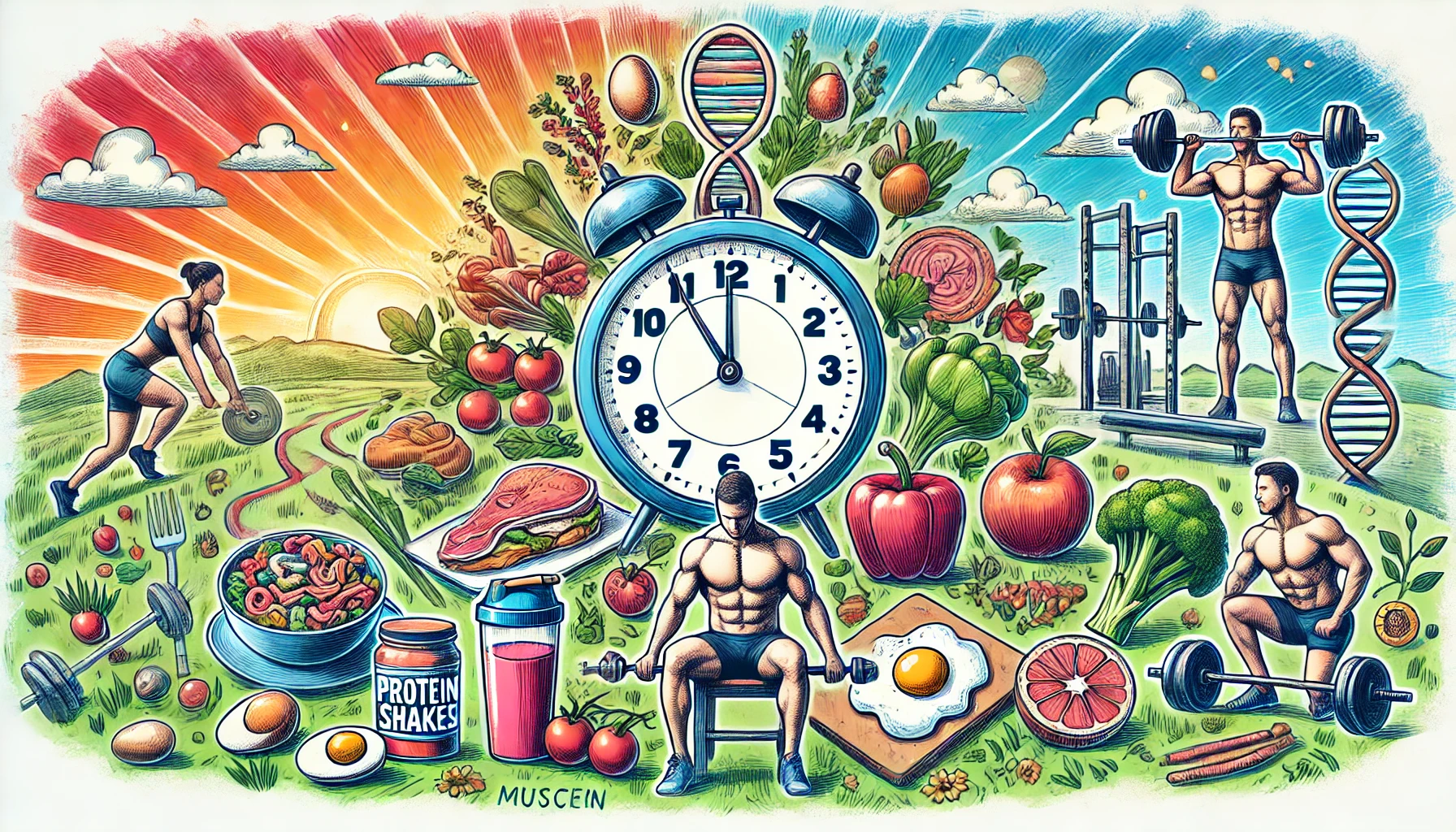
When it comes to building muscle, what you eat is just as important as when you eat. Meal timing can significantly impact muscle protein synthesis, recovery, and overall muscle gain. Understanding the science behind meal timing can help you optimize your nutrition plan to achieve maximum muscle growth. This blog explores the key aspects of meal timing and its role in muscle gain.
Muscle gain, or hypertrophy, is the result of a balance between muscle protein breakdown and muscle protein synthesis. Consuming the right nutrients at the right times can enhance muscle protein synthesis, reduce muscle protein breakdown, and support recovery. The timing of nutrient intake can influence the effectiveness of your workouts and the efficiency of muscle repair. Let’s delve into the scientific principles behind meal timing and muscle gain.
1. Pre-Workout Nutrition
- Energy provision: Consuming carbohydrates before a workout ensures your muscles have adequate glycogen stores for energy, enhancing performance.
- Protein intake: Including protein in your pre-workout meal provides amino acids that support muscle repair during and after exercise.
- Timing: Eat a balanced meal containing carbohydrates and protein about 2-3 hours before exercising. A lighter snack can be consumed 30-60 minutes before the workout.
- Hydration: Staying hydrated before exercising helps maintain performance and prevent dehydration-related fatigue.
- Examples: A meal of chicken, brown rice, and vegetables, or a snack of a banana with peanut butter and a protein shake.
2. The Anabolic Window
- Immediate post-workout period: The 30-60 minute window after a workout is often referred to as the anabolic window, a prime time for nutrient absorption and muscle repair.
- Enhanced muscle protein synthesis: Consuming protein and carbohydrates during this period can significantly enhance muscle protein synthesis and glycogen replenishment.
- Optimal nutrient ratios: A combination of 20-40 grams of protein with 40-80 grams of carbohydrates is recommended for post-workout nutrition.
- Examples: A protein shake with a banana, or a meal of grilled chicken with sweet potatoes and a salad.
3. Frequency of Protein Intake
- Regular protein consumption: Spreading protein intake evenly throughout the day, rather than consuming it all in one or two meals, maximizes muscle protein synthesis.
- Protein distribution: Aim for 20-30 grams of protein per meal or snack, consumed every 3-4 hours, to maintain a steady supply of amino acids to the muscles.
- Examples: Greek yogurt with berries for breakfast, a turkey sandwich for lunch, a protein bar as a snack, and fish with quinoa and vegetables for dinner.
4. Bedtime Nutrition
- Muscle repair during sleep: Consuming protein before bed can support overnight muscle repair and growth, as this is when the body undergoes significant recovery.
- Casein protein: Casein, a slow-digesting protein found in dairy products, is ideal for bedtime as it provides a sustained release of amino acids throughout the night.
- Examples: A serving of cottage cheese, a casein protein shake, or Greek yogurt before bed.
5. Carbohydrates and Muscle Gain
- Glycogen replenishment: Carbohydrates are essential for replenishing glycogen stores, which are depleted during intense workouts.
- Insulin response: Consuming carbohydrates post-workout stimulates insulin release, which helps drive amino acids into muscle cells, enhancing protein synthesis.
- Complex vs. simple carbs: Include a mix of complex carbohydrates (whole grains, vegetables) for sustained energy and simple carbohydrates (fruits, sports drinks) for quick glycogen replenishment.
- Examples: Oatmeal with fruit, whole grain bread with lean protein, or rice with vegetables and lean meat.
6. Importance of Fats
- Hormone production: Healthy fats are essential for the production of hormones, including testosterone, which plays a key role in muscle growth.
- Energy source: Fats provide a concentrated energy source, especially important for longer workouts.
- Timing: While fats slow digestion, they should be consumed in moderation around workouts and more liberally at other times.
- Examples: Avocado, nuts, seeds, olive oil, and fatty fish.
7. Hydration and Muscle Gain
- Muscle function: Proper hydration is crucial for muscle function and performance. Dehydration can impair strength, endurance, and recovery.
- Nutrient transport: Water aids in the transport of nutrients to muscle cells, supporting recovery and growth.
- Hydration timing: Drink water consistently throughout the day and increase intake before, during, and after workouts.
- Electrolytes: Replenish electrolytes lost through sweat with sports drinks or foods rich in sodium, potassium, and magnesium.
8. Individual Variability
- Genetic factors: Genetic differences can affect how individuals respond to different meal timings and nutrient intakes.
- Personal preferences: Adjust meal timing based on personal preferences, lifestyle, and how your body responds to different eating patterns.
- Consultation: Working with a nutritionist or dietitian can provide personalized recommendations tailored to your unique needs and goals.
9. Timing of Supplements
- Protein supplements: Consuming protein supplements like whey or casein at strategic times (e.g., post-workout or before bed) can support muscle gain.
- Creatine: Taking creatine before or after workouts can enhance strength, performance, and muscle growth.
- BCAAs: Branched-chain amino acids (BCAAs) can be consumed during or after workouts to reduce muscle soreness and promote recovery.
- Timing: Follow supplement guidelines for optimal timing and dosage based on individual needs and goals.
10. Practical Tips for Effective Meal Timing
- Plan ahead: Prepare meals and snacks in advance to ensure you have nutritious options readily available.
- Consistent schedule: Try to eat at the same times each day to create a routine that supports muscle growth.
- Balanced meals: Ensure each meal contains a balance of protein, carbohydrates, and fats to support overall health and muscle gain.
- Listen to your body: Pay attention to hunger and fullness cues to avoid overeating or undereating.
- Monitor progress: Track your nutrition and workout progress to make necessary adjustments for continuous improvement.
In conclusion, the timing of your meals plays a crucial role in muscle gain. By strategically consuming nutrients before and after workouts, spreading protein intake throughout the day, including carbohydrates for energy and glycogen replenishment, and staying hydrated, you can optimize muscle protein synthesis and recovery. Individual variability means that meal timing should be personalized based on your specific needs and preferences. By following these science-backed strategies, you can enhance your muscle-building efforts and achieve your fitness goals more effectively.