
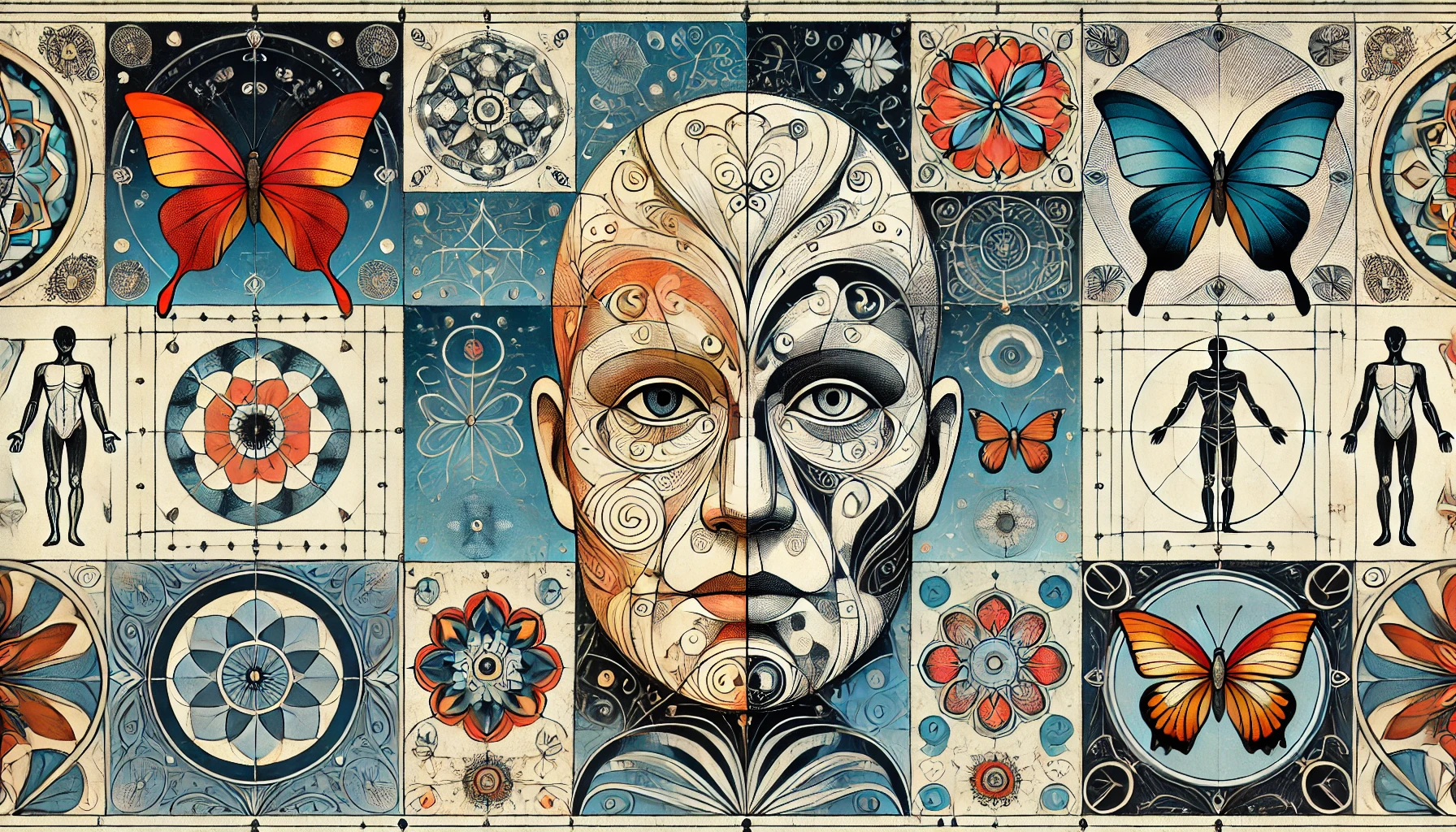
Physical attraction is a complex interplay of various factors, both biological and psychological. One of the most intriguing aspects of physical attraction is the role of symmetry. Symmetry, defined as the balanced proportions of facial and bodily features, has been widely studied in the context of human attraction. While beauty standards vary across cultures and time periods, the preference for symmetrical features appears to be a universal phenomenon. Understanding why symmetry is attractive and how it influences our perceptions can provide deeper insights into human behavior and the evolutionary basis of our aesthetic preferences.
Symmetry is often subconsciously associated with genetic fitness and health. This is rooted in evolutionary psychology, which suggests that symmetrical features signal a lack of genetic mutations and environmental stressors during development. When we perceive someone as attractive due to their symmetrical features, we may be responding to an ancient, innate cue that such individuals are more likely to be healthy and fertile. However, the allure of symmetry goes beyond mere biology. It also intertwines with psychological and social factors, influencing how we form impressions and make judgments about others.
1. Evolutionary Roots of Symmetry Attraction
- Symmetry as an indicator of genetic fitness: Symmetrical features are often seen as a sign of good genes, which is advantageous for offspring.
- Health signals: Symmetry may reflect an individual’s ability to resist environmental stressors and diseases during development.
- Reproductive success: Evolutionary theory posits that symmetrical individuals are perceived as better mates, increasing the chances of successful reproduction.
- Innate preference: Studies show even infants prefer symmetrical faces, suggesting a deep-rooted biological inclination.
- Cross-cultural consistency: Regardless of cultural differences, the preference for symmetrical features is remarkably consistent worldwide.
2. Psychological Impact of Symmetry
- Positive first impressions: Symmetrical features are often linked to positive personality traits, such as trustworthiness and intelligence.
- Perceived competence: People with symmetrical faces are often perceived as more capable and competent in various social contexts.
- Social advantages: Symmetrical individuals may receive preferential treatment in social, professional, and romantic settings.
- Emotional response: Symmetry can evoke positive emotions and a sense of aesthetic pleasure in observers.
- Bias in judgment: People tend to judge symmetrical faces more favorably, impacting decisions in hiring, relationships, and other areas.
3. Symmetry and Health Perceptions
- Correlation with health: Symmetry is often subconsciously linked to good health and vitality.
- Facial symmetry as a health cue: People might use facial symmetry to gauge an individual’s overall health status.
- Attraction to healthy partners: From an evolutionary standpoint, choosing a healthy partner increases the likelihood of survival for offspring.
- Immune system strength: Some studies suggest a link between facial symmetry and a robust immune system.
- Longevity association: There is evidence that symmetrical individuals may have longer lifespans, further reinforcing their attractiveness.
4. Cultural Interpretations of Symmetry
- Universal appeal: Despite cultural differences, symmetry is universally regarded as attractive.
- Influence of media: Media often emphasizes symmetrical features, reinforcing societal standards of beauty.
- Historical beauty standards: Throughout history, symmetrical features have been idealized in art and literature.
- Cross-cultural studies: Research shows consistent preferences for symmetry across diverse cultures, from indigenous tribes to modern societies.
- Cultural evolution: While specific beauty standards evolve, symmetry remains a constant factor in defining attractiveness.
5. The Science Behind Symmetry Perception
- Neural processing: The human brain is wired to recognize and prefer symmetrical patterns, including in faces and bodies.
- Visual system efficiency: Symmetry is easier for the brain to process, leading to a preference for symmetrical features.
- Cognitive fluency: Symmetry is associated with cognitive ease, making symmetrical faces more pleasing to look at.
- Brain response studies: Neuroimaging studies show that symmetrical faces activate pleasure centers in the brain.
- Evolutionary psychology: The brain’s preference for symmetry is thought to be an adaptive trait, aiding in mate selection.
6. Symmetry in Facial Features
- Proportional balance: Symmetrical faces exhibit balanced proportions, which are aesthetically pleasing.
- Eye spacing and alignment: Equal spacing and alignment of the eyes contribute significantly to facial symmetry.
- Nose and mouth placement: The central positioning of the nose and mouth enhances overall facial symmetry.
- Jawline symmetry: A symmetrical jawline is often associated with strength and attractiveness.
- Facial harmony: Symmetry contributes to a harmonious facial appearance, which is universally appealing.
7. Symmetry in Bodily Features
- Bilateral symmetry: Symmetrical body features are often perceived as more attractive.
- Waist-to-hip ratio: Symmetry in body shape, such as the waist-to-hip ratio, is a significant factor in physical attraction.
- Muscle definition: Symmetrical muscle development is associated with physical fitness and attractiveness.
- Proportional limbs: Evenly proportioned limbs contribute to the perception of bodily symmetry.
- Movement and posture: Symmetrical movement and posture are often linked to overall attractiveness and health.
8. The Role of Symmetry in Social Interactions
- Social biases: People with symmetrical features often experience positive biases in social interactions.
- Professional success: Symmetry can influence perceptions of professionalism and competence, impacting career advancement.
- Relationship dynamics: Symmetrical individuals might have an easier time forming and maintaining relationships.
- Friendliness perception: Symmetry can enhance perceptions of friendliness and approachability.
- Social confidence: Symmetrical features can boost an individual’s self-confidence, further enhancing their social presence.
9. The Influence of Symmetry in Media and Advertising
- Idealized beauty: Media often portrays symmetrical faces and bodies as the ideal standard of beauty.
- Advertising strategies: Advertisers use symmetrical models to attract attention and enhance product appeal.
- Cultural reinforcement: Media representation reinforces societal preferences for symmetry, shaping public perceptions.
- Impact on self-image: Constant exposure to symmetrical ideals can affect individuals’ self-esteem and body image.
- Consumer behavior: Symmetry in advertising can influence consumer preferences and purchasing decisions.
10. Beyond Physical Attraction: Symmetry in Architecture and Art
- Architectural aesthetics: Symmetry in architecture is often associated with beauty and harmony.
- Artistic principles: Symmetry has been a fundamental principle in art for centuries, contributing to the balance and appeal of artworks.
- Cultural symbols: Symmetry often represents balance, order, and stability in various cultures.
- Psychological impact: Symmetrical designs in architecture and art can evoke feelings of peace and satisfaction.
- Universal appeal: The preference for symmetry extends beyond physical attraction, influencing various aspects of human creativity and perception.
In conclusion, symmetry plays a crucial role in physical attraction, deeply rooted in evolutionary biology and psychological processes. Symmetrical features are often perceived as indicators of health, genetic fitness, and overall attractiveness. This preference for symmetry is consistent across cultures and historical periods, highlighting its universal appeal. Beyond physical appearance, symmetry influences social interactions, professional success, and even our perceptions of art and architecture. Understanding the role of symmetry in attraction can provide valuable insights into human behavior and the underlying factors that shape our aesthetic preferences.