
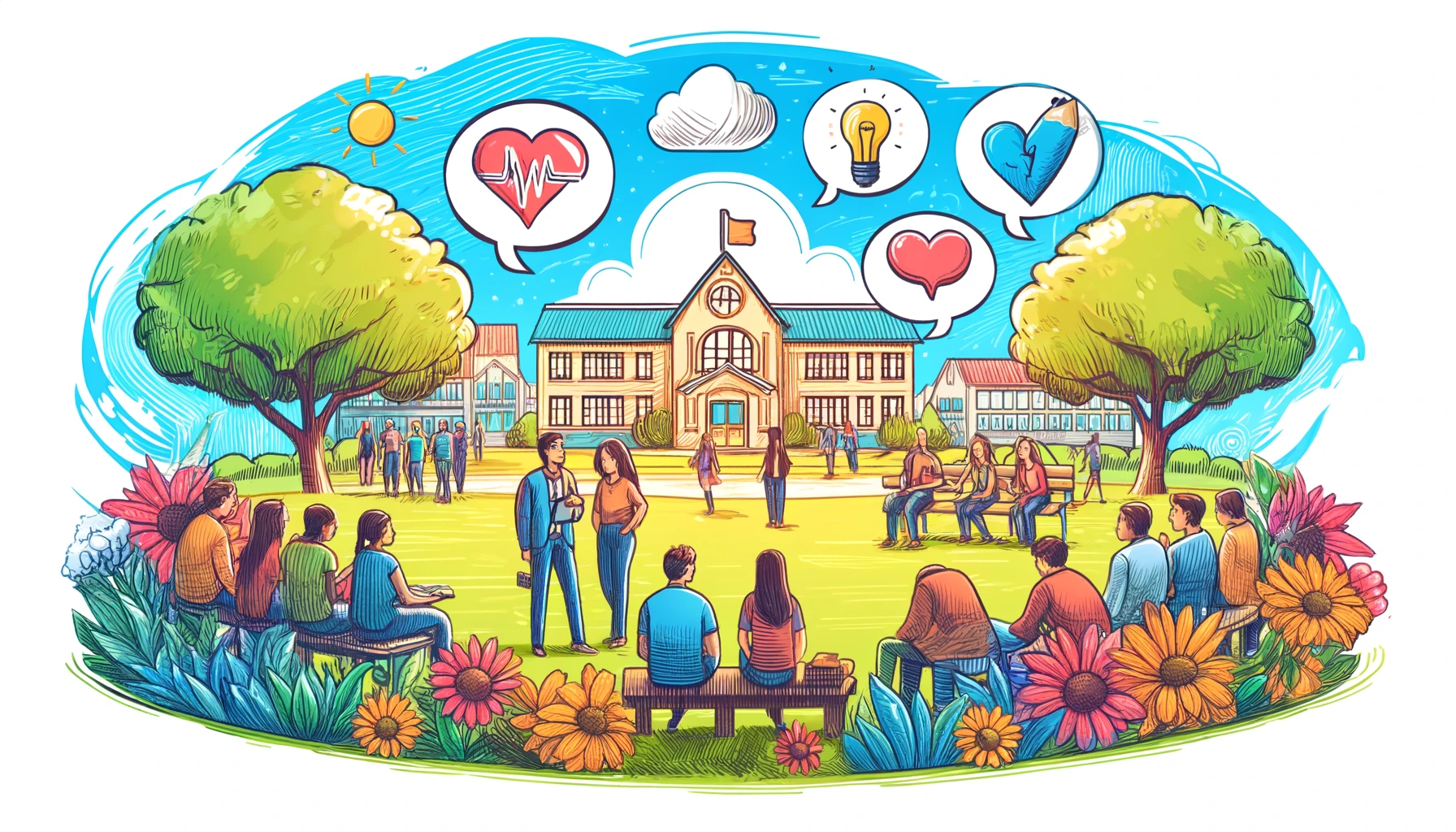
Schools play a crucial role in supporting the mental health of teenagers. As institutions where teens spend a significant portion of their time, schools have a unique opportunity to foster a supportive environment, identify mental health issues early, and provide resources and interventions. By integrating mental health support into the educational setting, schools can help students navigate the challenges of adolescence and promote overall well-being.
A comprehensive approach to mental health in schools involves awareness, prevention, intervention, and support. This guide explores the various ways schools can support teen mental health and offers strategies for creating a nurturing and responsive educational environment.
1. Promoting Mental Health Awareness
- Education and Training: Provide mental health education and training for students, teachers, and staff to increase awareness and reduce stigma.
- Mental Health Curriculum: Integrate mental health topics into the school curriculum, covering subjects like stress management, emotional regulation, and resilience.
- Awareness Campaigns: Organize mental health awareness campaigns and events to promote understanding and support.
- Open Discussions: Encourage open discussions about mental health in classrooms and school assemblies to normalize talking about mental health issues.
- Parent Workshops: Offer workshops and informational sessions for parents to educate them about teen mental health and ways to support their children.
2. Creating a Supportive Environment
- Safe Spaces: Designate safe spaces within the school where students can go to relax and decompress.
- Inclusive Culture: Foster an inclusive and accepting school culture that values diversity and encourages respect.
- Positive Relationships: Promote positive relationships between students, teachers, and staff to create a supportive community.
- Anti-Bullying Policies: Implement and enforce anti-bullying policies to protect students from harassment and create a safe environment.
- Peer Support Programs: Establish peer support programs where students can receive guidance and support from trained peers.
3. Early Identification and Intervention
- Screening Programs: Implement mental health screening programs to identify students who may be at risk for mental health issues.
- Teacher Training: Train teachers and staff to recognize the signs of mental health issues and refer students to appropriate resources.
- Counseling Services: Provide access to school counselors and psychologists who can offer individual and group counseling.
- Referral Systems: Develop clear referral systems for students who need additional support, including connections to external mental health services.
- Regular Check-Ins: Conduct regular check-ins with students to monitor their well-being and address any emerging concerns.
4. Integrating Mental Health into Education
- Social-Emotional Learning (SEL): Incorporate SEL programs into the curriculum to teach students skills like empathy, self-awareness, and emotional regulation.
- Mindfulness Practices: Introduce mindfulness practices into the classroom to help students manage stress and improve focus.
- Health Education: Include comprehensive health education that covers mental health topics, substance abuse prevention, and healthy coping strategies.
- Project-Based Learning: Use project-based learning to engage students in activities that promote collaboration, problem-solving, and resilience.
- Flexible Learning Environments: Create flexible learning environments that accommodate different learning styles and reduce academic stress.
5. Supporting Students with Specific Needs
- Individualized Support Plans: Develop individualized support plans for students with mental health issues, outlining accommodations and interventions.
- Special Education Services: Provide special education services for students with mental health-related disabilities, ensuring they receive appropriate support.
- Crisis Intervention: Establish crisis intervention teams to respond to mental health emergencies and provide immediate support.
- Transition Support: Offer support for students transitioning between school levels or returning to school after an absence due to mental health issues.
- Collaboration with Families: Work closely with families to support students with specific needs, ensuring consistent care across home and school environments.
6. Encouraging Healthy Lifestyles
- Physical Activity: Promote regular physical activity through sports, physical education classes, and extracurricular activities.
- Nutrition Education: Provide nutrition education and healthy food options to support physical and mental health.
- Sleep Hygiene: Educate students about the importance of sleep and encourage healthy sleep habits.
- Stress Management: Teach stress management techniques, such as relaxation exercises, time management skills, and positive self-talk.
- Balanced Schedules: Help students create balanced schedules that include time for academics, extracurricular activities, and relaxation.
7. Fostering Positive Peer Relationships
- Peer Mentoring: Establish peer mentoring programs where older students support and guide younger students.
- Team-Building Activities: Organize team-building activities and events to strengthen peer relationships and foster a sense of community.
- Conflict Resolution Training: Provide conflict resolution training to help students manage disagreements and build healthy relationships.
- Social Clubs: Encourage participation in social clubs and organizations that align with students’ interests and promote positive interactions.
- Inclusivity Initiatives: Implement initiatives that promote inclusivity and ensure that all students feel valued and included.
8. Professional Development for Staff
- Ongoing Training: Provide ongoing professional development for teachers and staff on mental health topics and effective support strategies.
- Self-Care for Educators: Promote self-care practices among educators to prevent burnout and ensure they can support students effectively.
- Collaboration with Experts: Collaborate with mental health professionals to provide specialized training and resources for staff.
- Mentorship Programs: Establish mentorship programs for new teachers to provide guidance and support in managing student mental health.
- Feedback Mechanisms: Implement feedback mechanisms to gather input from staff on mental health initiatives and make improvements.
9. Collaboration with Community Resources
- Partnerships with Mental Health Organizations: Establish partnerships with local mental health organizations to provide additional resources and support.
- Community Outreach: Engage in community outreach to raise awareness about teen mental health and available support services.
- Resource Referrals: Develop a directory of community resources that can be easily accessed by students, parents, and staff.
- Workshops and Seminars: Host workshops and seminars led by mental health professionals to provide education and support for the school community.
- Service Learning: Incorporate service-learning projects that connect students with community mental health initiatives and promote civic engagement.
10. Evaluating and Improving Mental Health Programs
- Regular Assessments: Conduct regular assessments of mental health programs and initiatives to evaluate their effectiveness.
- Student Feedback: Gather feedback from students on mental health services and use their input to make improvements.
- Data-Driven Decisions: Use data to identify trends and areas for improvement in mental health support.
- Continuous Improvement: Commit to continuous improvement by updating programs and practices based on the latest research and best practices.
- Stakeholder Involvement: Involve all stakeholders, including students, parents, teachers, and mental health professionals, in the evaluation and improvement process.
In conclusion, schools play a vital role in supporting teen mental health by creating a supportive environment, promoting awareness, providing early intervention, and fostering healthy relationships. By integrating mental health into the educational setting and collaborating with families and community resources, schools can help students navigate the challenges of adolescence and promote overall well-being. Ensuring that mental health support is a priority in schools is essential for the development and success of all students.