
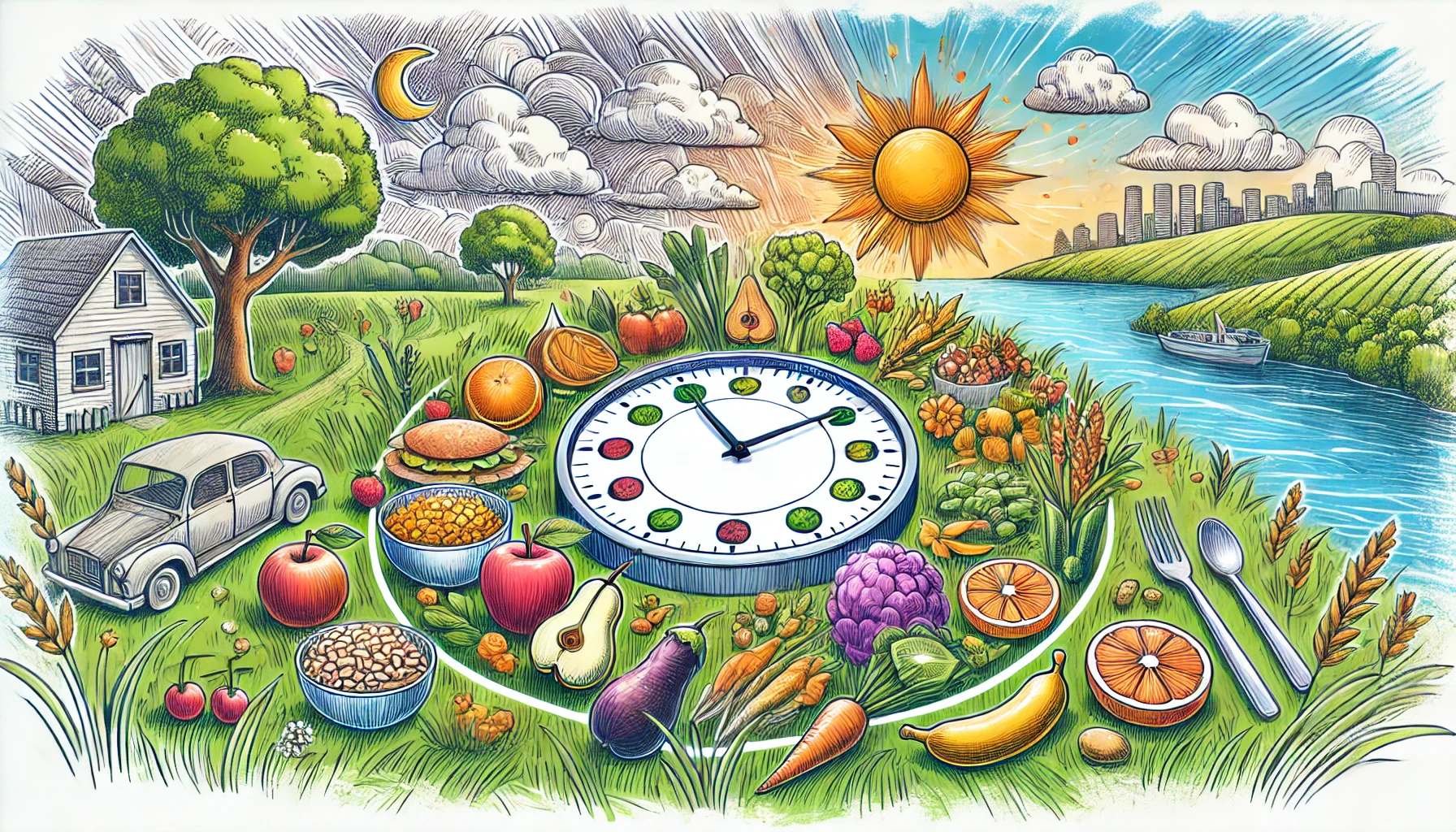
Meal timing plays a significant role in digestive health, influencing how efficiently our bodies process food, absorb nutrients, and maintain overall gut health. While the types of food we consume are crucial, the timing of our meals can also impact digestion, gut microbiome balance, and gastrointestinal comfort. Understanding how meal timing affects digestive health can help individuals optimize their eating habits to support a healthy digestive system. This blog explores the critical aspects of meal timing and its influence on digestive health.
Proper meal timing aligns with our circadian rhythm, the body’s internal clock that regulates various physiological processes, including digestion. Eating at regular intervals and during specific times of the day can enhance digestion, nutrient absorption, and metabolic efficiency. Conversely, irregular eating patterns or consuming meals late at night can disrupt these processes, leading to digestive discomfort and long-term health issues. Let’s delve into the various ways meal timing influences digestive health and practical tips for optimizing meal schedules.
1. Aligning Meals with the Circadian Rhythm
- Natural digestive cycles: The body’s digestive efficiency follows a circadian rhythm, peaking during the day and slowing down at night.
- Enhanced enzyme activity: Eating during daylight hours aligns with the peak activity of digestive enzymes, promoting better nutrient breakdown.
- Optimal bile production: The production of bile, essential for fat digestion, is more efficient during the day.
- Improved gut motility: Daytime eating supports better gut motility, reducing the risk of constipation.
- Reduced digestive strain: Avoiding late-night meals can prevent overburdening the digestive system during its natural rest period.
2. Importance of Regular Meal Timing
- Consistent energy supply: Eating at regular intervals ensures a steady supply of glucose, preventing energy dips and promoting steady digestion.
- Balanced blood sugar levels: Regular meals help maintain stable blood sugar levels, reducing the risk of insulin spikes and crashes.
- Appetite regulation: Consistent meal timing helps regulate hunger hormones, preventing overeating and promoting satiety.
- Reduced digestive discomfort: Irregular eating patterns can lead to bloating, gas, and other digestive discomforts.
- Efficient nutrient absorption: Regular meals enhance the body’s ability to absorb essential nutrients effectively.
3. Breakfast: The Most Important Meal
- Kickstarts metabolism: Eating breakfast jumpstarts the digestive system after the overnight fast, promoting metabolic activity.
- Improved insulin sensitivity: A nutritious breakfast can enhance insulin sensitivity, aiding in better glucose metabolism.
- Prevents overeating: Consuming breakfast can reduce hunger later in the day, preventing overeating during subsequent meals.
- Enhanced nutrient intake: Breakfast is an opportunity to consume vital nutrients that support digestive health.
- Better bowel movements: Regular breakfast consumption can stimulate morning bowel movements, promoting regularity.
4. Mid-Morning and Afternoon Snacks
- Steady energy levels: Healthy snacks between meals can maintain energy levels and prevent extreme hunger.
- Digestive health: Snacks that include fiber, such as fruits, vegetables, and nuts, support digestive health and regularity.
- Prevents overeating: Eating small, balanced snacks can prevent overeating during main meals.
- Nutrient intake: Snacks provide an opportunity to include additional nutrients that support gut health.
- Hydration: Snacking on hydrating foods like fruits can contribute to overall hydration and digestive function.
5. Timing of Main Meals
- Lunch for energy: A balanced lunch can provide sustained energy and nutrients to support afternoon activities and digestion.
- Early dinners: Eating dinner earlier in the evening allows the digestive system to process food efficiently before bedtime.
- Balanced portions: Proper portion sizes during main meals prevent overloading the digestive system and promote better digestion.
- Fiber inclusion: Including fiber-rich foods in main meals supports gut health and regular bowel movements.
- Mindful eating: Eating meals mindfully, without rushing, enhances digestion and nutrient absorption.
6. Late-Night Eating: Risks and Considerations
- Digestive efficiency: The digestive system slows down at night, making late-night eating less efficient for nutrient absorption.
- Increased acid reflux: Eating late can increase the risk of acid reflux and heartburn due to lying down shortly after eating.
- Weight gain: Consuming high-calorie foods late at night can contribute to weight gain and metabolic issues.
- Disrupted sleep: Eating late can interfere with sleep quality, which is essential for overall digestive health.
- Hormonal imbalance: Late-night eating can disrupt the balance of hormones like insulin and cortisol, affecting digestion.
7. The Role of Hydration
- Hydration timing: Drinking water throughout the day supports digestive processes and nutrient absorption.
- Before meals: Drinking water before meals can aid digestion by preparing the stomach for food intake.
- During meals: Sipping water during meals can help break down food and facilitate smoother digestion.
- Post-meal hydration: Drinking water after meals aids in the digestion and absorption of nutrients.
- Hydrating foods: Consuming foods with high water content, like fruits and vegetables, contributes to overall hydration and digestive health.
8. Fasting and Digestive Health
- Intermittent fasting: Periodic fasting can give the digestive system a break, promoting cellular repair and gut health.
- Digestive rest: Fasting periods allow the digestive system to rest, reducing inflammation and improving gut health.
- Improved gut bacteria: Fasting can positively affect gut microbiota, supporting a balanced and healthy gut environment.
- Autophagy activation: Fasting triggers autophagy, the body’s process of cleaning out damaged cells, promoting overall digestive health.
- Weight management: Fasting can support weight management, reducing the risk of obesity-related digestive issues.
9. Personalized Meal Timing
- Individual variability: Digestive responses to meal timing can vary based on age, gender, genetics, and lifestyle.
- Listening to your body: Paying attention to hunger and fullness cues can help tailor meal timing to individual needs.
- Professional guidance: Consulting with a nutritionist or dietitian can provide personalized meal timing recommendations.
- Adapting to lifestyle: Meal timing should be flexible and adaptable to fit personal routines and preferences.
- Continuous assessment: Regularly evaluating how meal timing affects digestive health can help fine-tune eating patterns.
10. Practical Tips for Optimal Meal Timing
- Consistent schedule: Establish a regular eating schedule to support digestive health and metabolic efficiency.
- Balanced meals: Ensure meals include a balance of carbohydrates, proteins, fats, and fiber for optimal digestion.
- Mindful eating: Eat slowly and mindfully to promote better digestion and prevent overeating.
- Avoid skipping meals: Skipping meals can disrupt digestion and lead to overeating later.
- Listen to your body: Adjust meal timing based on how your body feels and responds to different eating patterns.
In conclusion, meal timing plays a pivotal role in digestive health, influencing how well our bodies process and absorb nutrients. By aligning meals with the body’s circadian rhythm, maintaining regular eating intervals, and avoiding late-night eating, individuals can support optimal digestive function. Proper hydration, mindful eating, and considering individual variability further enhance digestive health. Personalizing meal timing based on individual needs and preferences ensures sustainable and effective dietary habits that promote long-term gut health.