
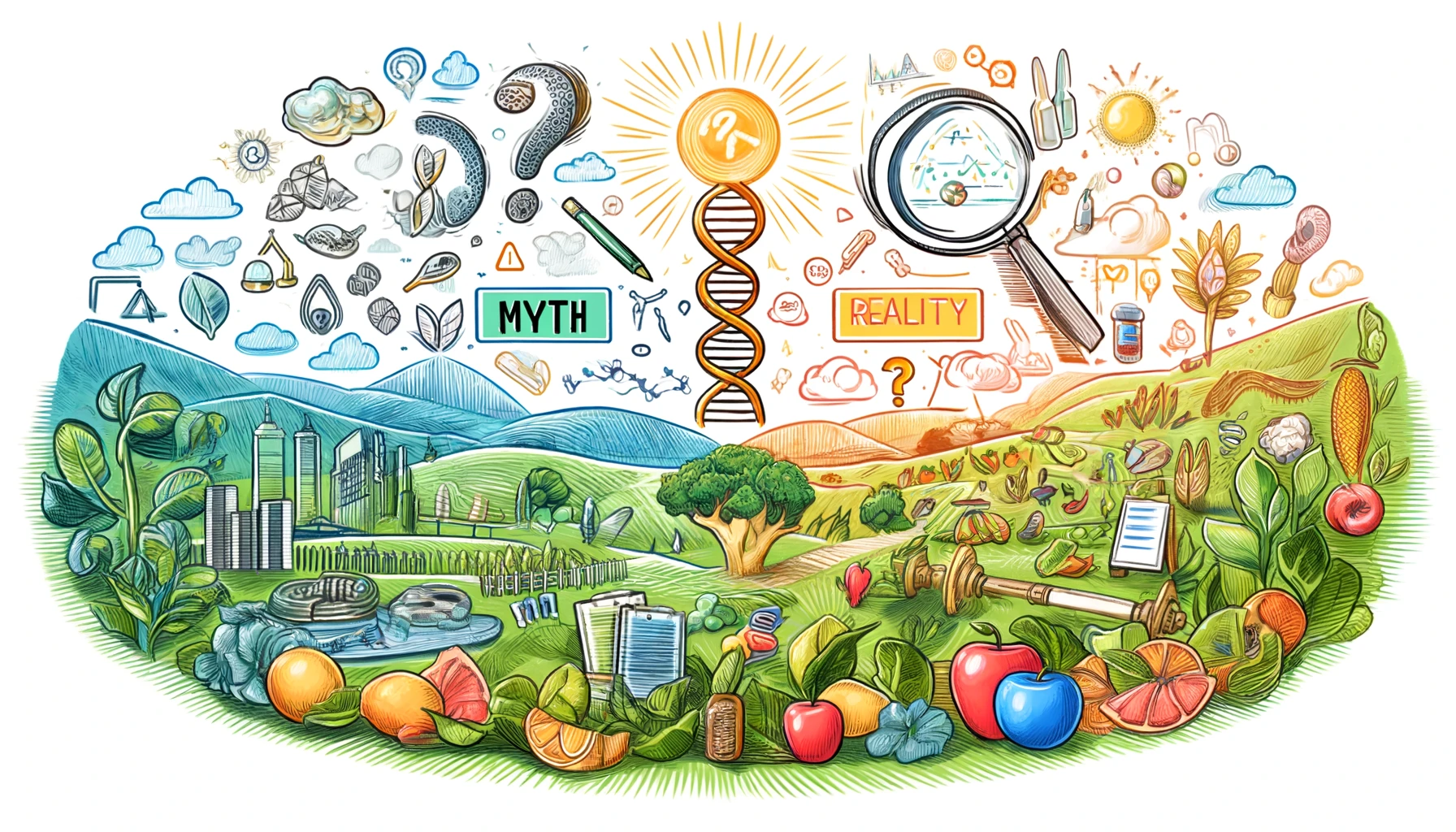
Weight loss is a complex process influenced by various factors, including diet, exercise, lifestyle, and genetics. The role of genetics in weight loss has been a topic of considerable debate and interest. Some people believe that their genetic makeup predetermines their ability to lose weight, leading to feelings of helplessness. Understanding the real impact of genetics on weight loss is crucial for developing effective and personalized weight management strategies. This guide explores the myths and realities of genetics in weight loss.
Genetics play a significant role in determining body weight and composition, influencing factors such as metabolism, fat storage, and hunger signals. While it is true that genes can affect weight loss, they are not the sole determinant. Lifestyle choices, dietary habits, and physical activity levels also play critical roles. This guide aims to debunk common myths about genetics and weight loss, providing a clear understanding of how genetics interact with other factors to influence weight management.
1. Understanding Genetics and Weight
Genetic Influence on Body Weight
- Heritability: Studies estimate that genetics account for about 40-70% of an individual’s body weight.
- Gene Variants: Specific gene variants can affect metabolism, appetite, and fat storage.
Key Genes Involved
- FTO Gene: Associated with higher body mass index (BMI) and increased risk of obesity.
- MC4R Gene: Influences appetite regulation and energy balance.
2. Myth: Genetics Make Weight Loss Impossible
Reality Check
- Influence vs. Determinism: While genetics can influence weight, they do not make weight loss impossible. Environmental factors and lifestyle choices also play significant roles.
- Personal Responsibility: Understanding genetic predispositions can help tailor weight loss strategies but should not be viewed as an insurmountable barrier.
Studies on Weight Loss and Genetics
- Twin Studies: Research on twins shows that both genetics and environment significantly impact weight. Identical twins tend to have more similar body weights than fraternal twins, highlighting genetic influence.
- Intervention Studies: Studies indicate that people with genetic predispositions to obesity can still lose weight through diet and exercise.
3. Reality: Genetics Affect Metabolism and Fat Storage
Metabolic Rate
- Basal Metabolic Rate (BMR): Genetics can influence BMR, affecting how many calories your body burns at rest.
- Variation: People with a higher genetic BMR may find it easier to lose weight, while those with a lower BMR may need to work harder to achieve the same results.
Fat Distribution
- Body Fat Distribution: Genetics can determine where your body stores fat (e.g., abdomen, hips, thighs).
- Health Risks: Fat distribution patterns can influence health risks, with abdominal fat linked to higher risks of metabolic diseases.
4. Myth: You Can’t Change Your Genetic Destiny
Reality Check
- Epigenetics: Lifestyle and environmental factors can influence gene expression, potentially mitigating genetic predispositions.
- Behavioral Changes: Adopting healthy behaviors, such as a balanced diet and regular exercise, can help manage weight regardless of genetic background.
Practical Approaches
- Personalized Nutrition: Tailor dietary choices to your genetic predispositions. For instance, some people may benefit from higher protein diets, while others may respond better to lower carbohydrate intake.
- Exercise Plans: Customize exercise routines based on your body’s response to different types of physical activity.
5. Genetic Testing for Weight Loss
Benefits and Limitations
- Insight: Genetic tests can provide insights into how your body may respond to different foods and exercise.
- Limitations: Genetic tests are not definitive and should be used as a guide rather than a prescription.
How to Use Genetic Information
- Informed Decisions: Use genetic information to make informed choices about diet and exercise.
- Professional Guidance: Consult healthcare professionals or nutritionists to interpret genetic test results and create a personalized weight loss plan.
6. Environmental and Lifestyle Factors
Diet and Nutrition
- Healthy Eating: Focus on whole, nutrient-dense foods regardless of genetic predispositions.
- Caloric Balance: Maintain a caloric deficit for weight loss, but ensure nutrient adequacy to support overall health.
Physical Activity
- Regular Exercise: Incorporate both cardiovascular and strength training exercises to maximize calorie burn and muscle maintenance.
- Active Lifestyle: Engage in daily physical activities such as walking, cycling, or household chores to increase overall energy expenditure.
Sleep and Stress Management
- Sleep Quality: Ensure adequate sleep to support metabolic health and weight management.
- Stress Reduction: Practice stress-reducing techniques such as mindfulness, yoga, or deep breathing to prevent stress-related weight gain.
7. The Psychological Aspect of Weight Loss
Mindset and Motivation
- Positive Attitude: Cultivate a positive mindset and stay motivated by setting realistic goals and celebrating progress.
- Support Systems: Seek support from friends, family, or weight loss groups to stay accountable and encouraged.
Overcoming Genetic Barriers
- Acceptance and Adaptation: Accept genetic predispositions but adapt lifestyle habits to achieve and maintain a healthy weight.
- Resilience: Build resilience by focusing on long-term health rather than quick fixes.
Genetics play a role in weight loss, but they are not the sole determinant. While genetic factors can influence metabolism, appetite, and fat storage, lifestyle choices, dietary habits, and physical activity levels are equally important. By understanding the interplay between genetics and these factors, you can develop personalized weight loss strategies that work for you. Embrace a holistic approach to weight management that includes healthy eating, regular exercise, adequate sleep, and stress management to achieve sustainable results.