
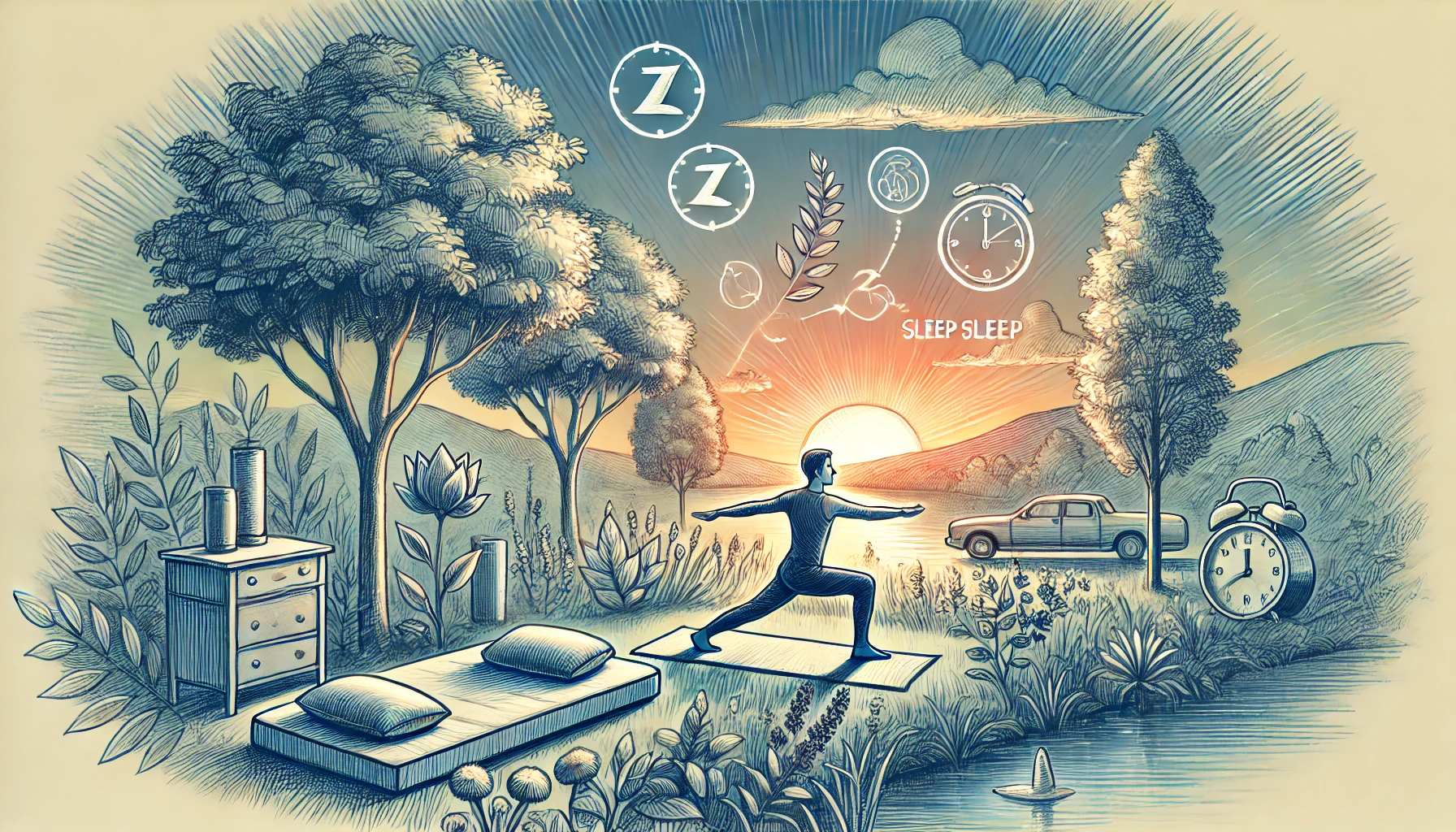
Exercise is a powerful tool for enhancing sleep quality and overall well-being. Regular physical activity has been shown to help people fall asleep faster, improve sleep duration, and enhance sleep quality. By understanding how exercise impacts sleep and incorporating the right types of physical activity into your routine, you can enjoy better rest and the many health benefits that come with it. This blog will explore the role of exercise in enhancing sleep quality, providing practical tips and insights to help you achieve a more restful night’s sleep.
1. Regulating Sleep Patterns
- Circadian Rhythm: Regular exercise helps regulate the body’s circadian rhythm, promoting a natural sleep-wake cycle.
- Sleep Onset: Physical activity increases the time spent in deep sleep, which is the most restorative sleep phase.
- Consistency: Maintaining a consistent exercise routine reinforces a regular sleep schedule.
- Hormone Regulation: Exercise helps regulate hormones that control sleep, such as melatonin.
- Natural Sleep Aids: Engaging in physical activity during the day can reduce the need for sleep aids and medications.
2. Reducing Stress and Anxiety
- Stress Relief: Exercise releases endorphins, which are natural mood elevators and stress relievers.
- Anxiety Reduction: Regular physical activity can help reduce symptoms of anxiety, making it easier to relax and fall asleep.
- Cortisol Levels: Exercise helps lower cortisol levels, a hormone associated with stress, promoting better sleep.
- Mental Clarity: Physical activity can clear your mind, reducing the worry and rumination that often disrupt sleep.
- Emotional Balance: Engaging in exercise supports emotional regulation, helping to manage stress and improve sleep quality.
3. Improving Sleep Duration and Quality
- Deep Sleep: Exercise increases the amount of time spent in deep sleep, enhancing the restorative benefits of sleep.
- Sleep Efficiency: Regular physical activity improves sleep efficiency, meaning you spend a higher percentage of your time in bed actually sleeping.
- Insomnia Relief: Exercise can reduce the symptoms of insomnia, helping you fall asleep faster and stay asleep longer.
- Sleep Continuity: Physical activity helps reduce nighttime awakenings, promoting continuous, uninterrupted sleep.
- Overall Quality: Regular exercise leads to improved overall sleep quality, resulting in feeling more rested and refreshed.
4. Timing of Exercise
- Morning Exercise: Exercising in the morning can boost your energy levels for the day and help regulate your circadian rhythm.
- Afternoon Activity: Afternoon workouts can enhance sleep by raising your body temperature slightly, followed by a drop that promotes sleepiness at night.
- Evening Caution: Avoid vigorous exercise too close to bedtime, as it can elevate heart rate and body temperature, making it harder to fall asleep.
- Moderate Evening Exercise: Gentle activities such as yoga or stretching in the evening can promote relaxation and prepare your body for sleep.
- Personal Preference: Find the time that works best for you, considering how your body responds to exercise at different times of day.
5. Types of Exercise for Better Sleep
- Aerobic Exercise: Activities such as walking, running, cycling, and swimming can improve sleep quality by increasing heart rate and promoting deep sleep.
- Strength Training: Weight lifting and resistance exercises can enhance sleep by reducing stress and improving overall physical health.
- Yoga: Yoga combines physical activity with mindfulness and relaxation techniques, making it an excellent choice for improving sleep.
- Stretching: Gentle stretching can relax the muscles and reduce tension, promoting better sleep.
- Consistency: Engage in a variety of exercises to keep your routine interesting and maintain overall fitness.
6. Duration and Intensity
- Moderate Exercise: Aim for at least 150 minutes of moderate aerobic exercise per week, such as brisk walking or cycling.
- Vigorous Exercise: Alternatively, 75 minutes of vigorous activity, like running or intense aerobic classes, can also be beneficial.
- Balanced Routine: Combine aerobic exercise with strength training and flexibility exercises for a balanced fitness routine.
- Intensity Considerations: Adjust the intensity of your workouts based on your fitness level and how your body responds to exercise.
- Listening to Your Body: Pay attention to how your body feels and avoid overtraining, which can negatively impact sleep.
7. Creating an Exercise Routine
- Set Goals: Establish clear, achievable fitness goals to stay motivated and consistent with your exercise routine.
- Schedule Workouts: Plan your workouts at times that align with your daily schedule and energy levels.
- Variety: Incorporate a mix of activities to keep your routine engaging and address different aspects of fitness.
- Progress Tracking: Keep a journal or use an app to track your workouts and monitor progress.
- Adaptability: Be flexible with your routine and make adjustments as needed based on your lifestyle and how your body responds.
8. Combining Exercise with Other Sleep-Enhancing Practices
- Healthy Diet: Pair regular exercise with a balanced diet to support overall health and improve sleep quality.
- Hydration: Stay hydrated throughout the day, but reduce fluid intake in the evening to avoid nighttime bathroom trips.
- Sleep Environment: Create a comfortable sleep environment with a supportive mattress, appropriate bedding, and a cool, dark, and quiet room.
- Relaxation Techniques: Incorporate relaxation techniques such as deep breathing, meditation, or aromatherapy into your bedtime routine.
- Consistent Sleep Schedule: Maintain a consistent sleep schedule, going to bed and waking up at the same time every day.
9. Overcoming Barriers to Exercise
- Time Management: Prioritize exercise by scheduling it into your daily routine and treating it as a non-negotiable part of your day.
- Motivation: Find activities you enjoy and vary your routine to stay motivated and engaged.
- Support System: Exercise with friends or join a fitness group to increase accountability and make workouts more enjoyable.
- Small Steps: Start with small, manageable steps if you’re new to exercise or getting back into a routine.
- Professional Guidance: Consider working with a fitness trainer or coach to develop a personalized exercise plan that meets your needs and goals.
10. Monitoring and Adjusting Your Routine
- Sleep Tracking: Use a sleep tracker or journal to monitor how your exercise routine affects your sleep quality.
- Adjustments: Make adjustments to your exercise routine based on your sleep patterns and how your body feels.
- Feedback: Listen to your body and be mindful of any signs of overtraining or fatigue.
- Long-Term Commitment: Stay committed to regular exercise as part of a long-term strategy for improving sleep and overall health.
- Celebrate Progress: Acknowledge and celebrate your progress and achievements in both fitness and sleep quality.
Regular exercise plays a crucial role in enhancing sleep quality by regulating sleep patterns, reducing stress and anxiety, and improving overall physical health. By incorporating a variety of physical activities into your routine and finding the right balance of timing, intensity, and duration, you can significantly improve your sleep and overall well-being. Prioritizing exercise, along with other healthy habits, will help you achieve a more restful and rejuvenating night’s sleep, leading to a healthier, more productive, and fulfilling life.