
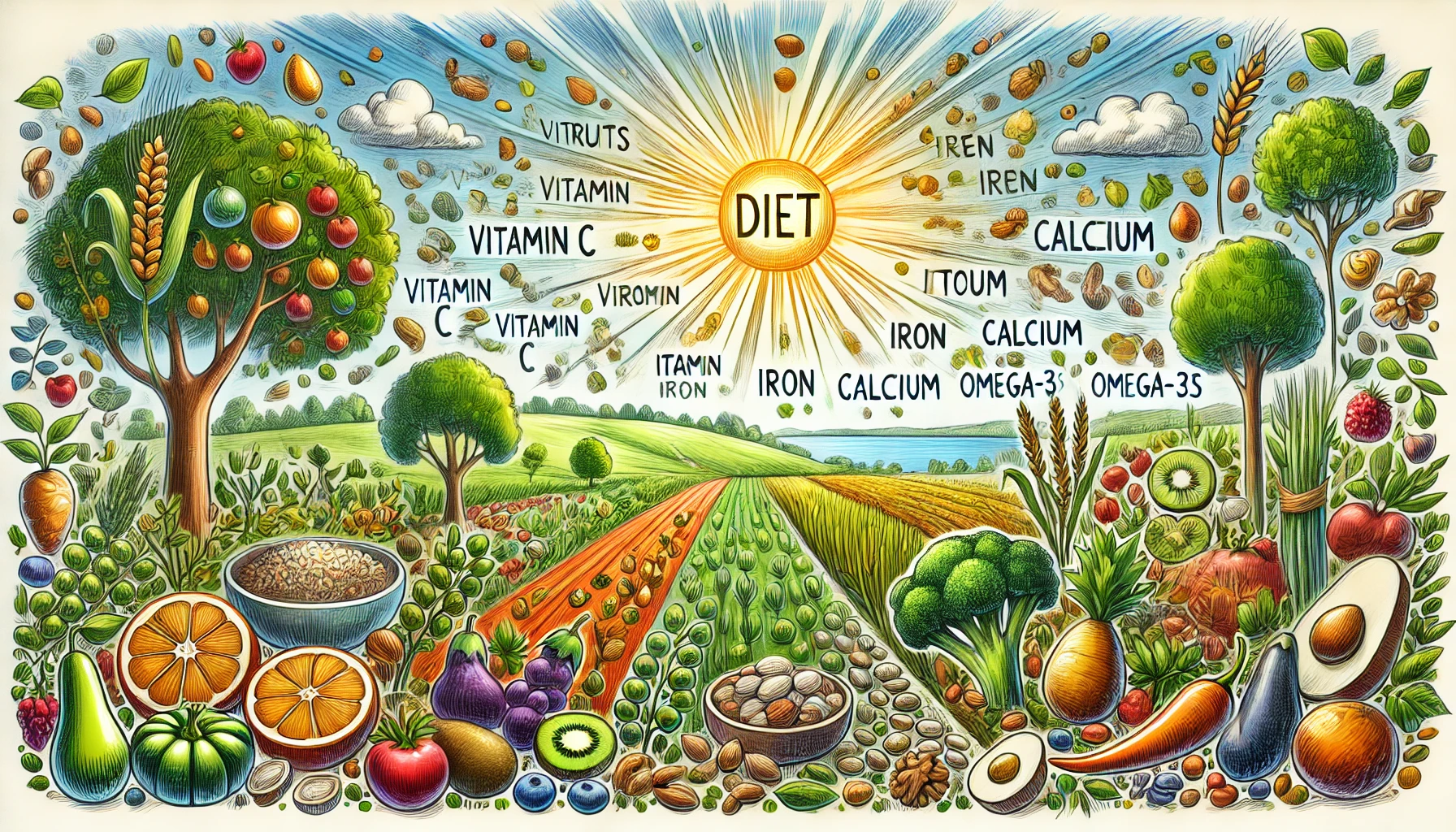
A balanced and nutritious diet plays a crucial role in preventing nutritional deficiencies and maintaining overall health. Nutritional deficiencies occur when the body does not get enough of the essential vitamins and minerals needed for optimal functioning. By understanding the role of diet in preventing these deficiencies, individuals can make informed choices that support their well-being. This blog explores how a well-planned diet can help prevent nutritional deficiencies and provides practical tips for achieving balanced nutrition.
Nutritional deficiencies can lead to various health problems, including weakened immunity, poor bone health, cognitive impairments, and chronic diseases. A diet rich in diverse, nutrient-dense foods can provide the body with the essential nutrients it needs to function properly and prevent deficiencies.
1. Understanding Essential Nutrients
- Macronutrients: Proteins, carbohydrates, and fats are essential for energy production, growth, and overall bodily functions.
- Micronutrients: Vitamins and minerals are required in smaller amounts but are vital for immune function, bone health, and preventing chronic diseases.
- Water: Necessary for hydration, digestion, and the transport of nutrients throughout the body.
2. Key Nutrients to Focus On
- Iron: Essential for producing hemoglobin, which carries oxygen in the blood.
- Sources: Red meat, poultry, fish, legumes, spinach, fortified cereals.
- Vitamin D: Crucial for bone health and calcium absorption.
- Sources: Fatty fish, fortified dairy products, egg yolks, fortified plant-based milks, sunlight exposure.
- Vitamin B12: Necessary for red blood cell formation, neurological function, and DNA synthesis.
- Sources: Meat, fish, dairy products, eggs, fortified cereals.
- Calcium: Vital for bone and teeth development, muscle function, and nerve signaling.
- Sources: Dairy products, fortified plant-based milks, leafy green vegetables, almonds, sesame seeds.
- Magnesium: Involved in over 300 biochemical reactions, including muscle and nerve function, blood glucose control, and bone health.
- Sources: Nuts, seeds, whole grains, leafy green vegetables, dark chocolate.
- Zinc: Crucial for immune function, protein synthesis, and DNA synthesis.
- Sources: Meat, shellfish, legumes, seeds, nuts, dairy products.
- Folate (Vitamin B9): Important for DNA synthesis, cell division, and red blood cell formation.
- Sources: Leafy green vegetables, legumes, fortified cereals, nuts, seeds.
- Vitamin A: Essential for vision, immune function, and skin health.
- Sources: Carrots, sweet potatoes, spinach, dairy products, liver, fortified foods.
- Omega-3 Fatty Acids: Important for brain function, heart health, and reducing inflammation.
- Sources: Fatty fish, flaxseeds, chia seeds, walnuts, algal oil.
3. Building a Balanced Diet
- Variety: Include a wide range of foods from all food groups to ensure a diverse intake of essential nutrients.
- Fruits and Vegetables: Aim for a colorful variety to get a broad spectrum of vitamins and minerals.
- Whole Grains: Choose whole grains like brown rice, quinoa, whole wheat, and oats for fiber and essential nutrients.
- Lean Proteins: Incorporate lean meats, poultry, fish, legumes, nuts, and seeds to meet protein needs.
- Healthy Fats: Include sources of healthy fats such as avocados, nuts, seeds, and olive oil to support overall health.
- Portion Control: Pay attention to portion sizes to avoid overeating and ensure a balanced intake of nutrients.
- Hydration: Drink plenty of water throughout the day to support digestion and nutrient absorption.
4. Practical Tips for Preventing Nutritional Deficiencies
- Plan Balanced Meals: Ensure each meal includes a variety of food groups to provide a range of nutrients.
- Breakfast: Whole grain cereal with fortified plant-based milk, topped with fruits and nuts.
- Lunch: Grilled chicken salad with a variety of colorful vegetables and a side of quinoa.
- Dinner: Baked salmon with steamed broccoli, sweet potatoes, and a leafy green salad.
- Snacks: Greek yogurt with berries, a handful of almonds, or sliced vegetables with hummus.
- Read Food Labels: Check labels for nutrient content to make informed choices about fortified foods and nutrient-dense options.
- Cooking Methods: Use cooking methods that preserve nutrients, such as steaming, grilling, or baking, rather than frying or boiling.
- Regular Meals and Snacks: Eat regular meals and healthy snacks to maintain energy levels and nutrient intake throughout the day.
- Monitor Dietary Intake: Keep a food diary to track your nutrient intake and identify any potential gaps in your diet.
5. Addressing Special Dietary Needs
- Vegetarians and Vegans: Pay special attention to getting enough vitamin B12, iron, calcium, and omega-3 fatty acids through fortified foods or supplements.
- Older Adults: Ensure adequate intake of vitamin B12, vitamin D, calcium, and magnesium, as the body’s ability to absorb these nutrients can decrease with age.
- Pregnant and Breastfeeding Women: Focus on folate, iron, calcium, and omega-3 fatty acids to support the health of both mother and baby.
- Individuals with Medical Conditions: Consult with healthcare providers to address specific dietary needs and ensure adequate nutrient intake.
6. When to Consider Supplements
- Consult Healthcare Providers: Before starting any supplementation, consult with a healthcare provider to identify specific nutritional needs.
- Fill Nutrient Gaps: Use supplements to fill nutrient gaps that cannot be met through diet alone, especially for nutrients like vitamin D, vitamin B12, and omega-3 fatty acids.
- Monitor and Adjust: Regularly monitor nutrient levels through blood tests and adjust supplementation as needed under medical supervision.
In conclusion, a balanced diet plays a critical role in preventing nutritional deficiencies and maintaining overall health. By including a variety of nutrient-dense foods, planning balanced meals, and addressing special dietary needs, individuals can ensure they receive the essential vitamins and minerals their bodies require. Regular monitoring and consultation with healthcare providers can further help prevent and manage nutritional deficiencies, supporting long-term health and well-being.