
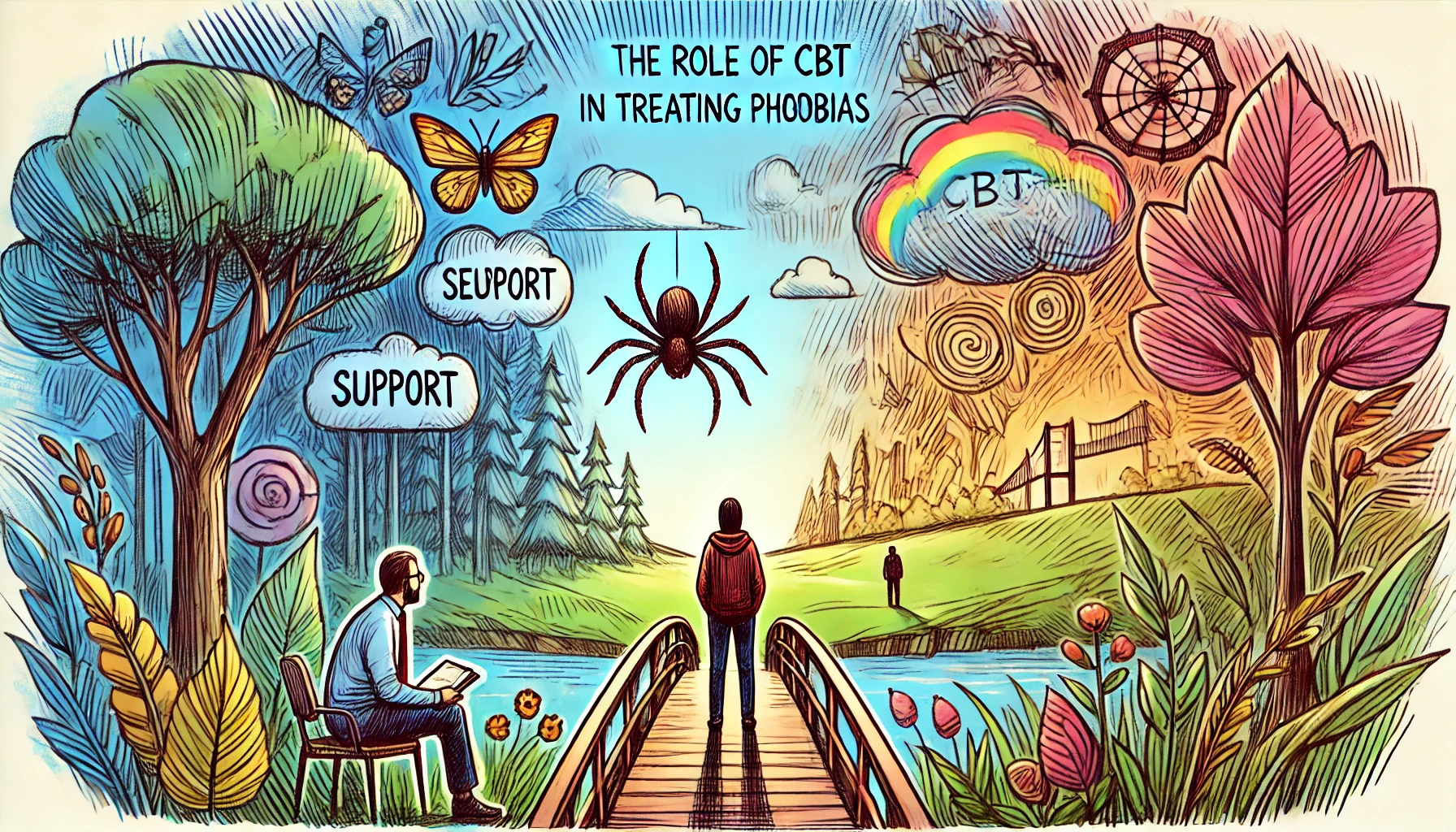
Cognitive Behavioral Therapy (CBT) is a highly effective treatment for phobias, which are intense, irrational fears of specific objects, situations, or activities. These fears can be debilitating, impacting daily functioning and overall quality of life. CBT addresses the cognitive (thought) and behavioral (action) components of phobias, helping individuals to understand, confront, and overcome their fears. This structured, evidence-based approach empowers individuals to change their thinking patterns and behaviors, leading to long-term relief from phobic anxiety.
Phobias can be specific (such as fear of spiders or heights) or complex (such as social phobia). CBT tailors its techniques to the type and severity of the phobia, providing personalized strategies to manage and reduce symptoms. The therapy typically involves exposure techniques, cognitive restructuring, relaxation exercises, and the development of coping skills. Through these methods, CBT helps individuals gradually face their fears and diminish their phobic responses.
1. Understanding Phobias and CBT
- Nature of Phobias: Phobias are characterized by intense, irrational fears that can lead to avoidance behaviors and significant distress.
- Impact on Life: Phobias can interfere with daily activities, work, relationships, and overall well-being.
- CBT Approach: CBT focuses on changing the thoughts and behaviors that maintain phobias, providing a structured and goal-oriented treatment plan.
- Evidence-Based: Research consistently supports the effectiveness of CBT in treating various types of phobias.
- Long-Term Benefits: CBT offers lasting relief by addressing the root causes of phobic anxiety.
2. Exposure Therapy
- Gradual Exposure: Gradually expose yourself to the feared object or situation in a controlled manner, starting with less anxiety-provoking scenarios and progressively facing more challenging ones.
- Systematic Desensitization: Pair exposure with relaxation techniques to reduce anxiety responses.
- In Vivo Exposure: Confront fears directly in real-life settings to build tolerance and reduce avoidance.
- Imaginal Exposure: Use vivid imagination to visualize confronting the feared object or situation, useful when real-life exposure is impractical.
- Virtual Reality Exposure: Employ virtual reality technology to simulate phobic scenarios in a safe environment.
3. Cognitive Restructuring
- Identify Negative Thoughts: Recognize the automatic negative thoughts that arise when thinking about or encountering the phobic object or situation.
- Challenge These Thoughts: Question the validity of these thoughts by examining evidence for and against them.
- Develop Balanced Thoughts: Replace irrational fears with more balanced, realistic perspectives.
- Thought Records: Use thought records to document and analyze negative thoughts, tracking the process of cognitive restructuring.
- Socratic Questioning: Engage in Socratic questioning to explore and challenge irrational beliefs about the phobia.
4. Relaxation Techniques
- Deep Breathing: Practice deep breathing exercises to calm the mind and body during exposure to phobic stimuli.
- Progressive Muscle Relaxation: Tense and then relax each muscle group to reduce physical tension associated with phobic anxiety.
- Guided Imagery: Visualize calming scenes or experiences to promote relaxation and reduce anxiety.
- Mindfulness Meditation: Focus on the present moment without judgment to reduce overall anxiety and improve emotional regulation.
- Body Scan: Increase awareness of bodily sensations and release tension through focused attention.
5. Behavioral Strategies
- Behavioral Experiments: Test the validity of fears by engaging in behavioral experiments that challenge phobic beliefs.
- Reward System: Set up a reward system for facing fears, reinforcing positive behavior.
- Activity Scheduling: Plan and engage in activities that counteract avoidance behaviors and promote exposure.
- Incremental Approach: Break down exposure tasks into smaller, manageable steps to build confidence and reduce anxiety.
- Role-Playing: Practice facing fears in role-playing scenarios to build skills and confidence.
6. Coping Skills Development
- Stress Management: Learn and practice stress management techniques to reduce overall anxiety levels.
- Problem-Solving: Develop effective problem-solving skills to address challenges related to phobic situations.
- Assertiveness Training: Improve assertiveness skills to handle social phobias and related anxieties.
- Support Networks: Build a support network of friends, family, or support groups to provide encouragement and assistance.
- Self-Care: Incorporate self-care practices to maintain physical and emotional well-being.
7. Self-Monitoring and Progress Tracking
- Keep a Journal: Document your thoughts, feelings, and behaviors related to the phobia to track progress and identify patterns.
- Monitor Symptoms: Regularly assess the intensity and frequency of phobic symptoms to evaluate treatment effectiveness.
- Set Goals: Establish specific, measurable goals for exposure and cognitive restructuring activities.
- Review Progress: Periodically review your progress with a therapist or support person to make necessary adjustments to your treatment plan.
- Celebrate Successes: Acknowledge and celebrate small successes and milestones in overcoming the phobia.
8. Long-Term Maintenance
- Regular Practice: Continue practicing CBT techniques even after symptoms have improved to maintain progress and prevent relapse.
- Periodic Review: Schedule periodic reviews with a therapist to reinforce strategies and address any new challenges.
- Adaptation: Be prepared to adapt techniques as needed to address changing circumstances or new phobic triggers.
- Ongoing Learning: Stay informed about new CBT strategies and incorporate them into your treatment plan.
- Maintain Support: Keep a strong support network in place to provide ongoing encouragement and assistance.
9. Seeking Professional Help
- Therapist Support: Work with a licensed therapist experienced in CBT for phobias to receive personalized guidance and support.
- Regular Sessions: Attend regular therapy sessions to ensure consistent progress and address any difficulties.
- Group Therapy: Consider group therapy sessions to learn from others with similar phobias and gain additional support.
- Customized Plans: Collaborate with your therapist to develop a customized treatment plan tailored to your specific phobia and needs.
- Therapist Matching: Find a therapist who specializes in treating phobias to ensure the most effective care.
10. Combining CBT with Other Approaches
- Medication: In some cases, medication may be prescribed alongside CBT to manage severe anxiety symptoms. Always consult with a healthcare provider.
- Lifestyle Changes: Incorporate lifestyle changes such as regular exercise, a balanced diet, and adequate sleep to support overall mental health.
- Complementary Therapies: Consider complementary therapies such as yoga, acupuncture, or massage to reduce stress and enhance relaxation.
- Holistic Approach: Use a holistic approach that combines CBT with other therapeutic modalities to address multiple aspects of phobic anxiety.
- Integrative Care: Work with a team of healthcare providers to develop a comprehensive and integrative treatment plan.
In conclusion, CBT plays a crucial role in treating phobias by addressing both the cognitive and behavioral components of these intense fears. Through exposure therapy, cognitive restructuring, relaxation techniques, and the development of coping skills, individuals can significantly reduce their phobic anxiety and improve their quality of life. By committing to regular practice and seeking professional support when needed, individuals can achieve lasting relief from phobias and regain control over their lives.