
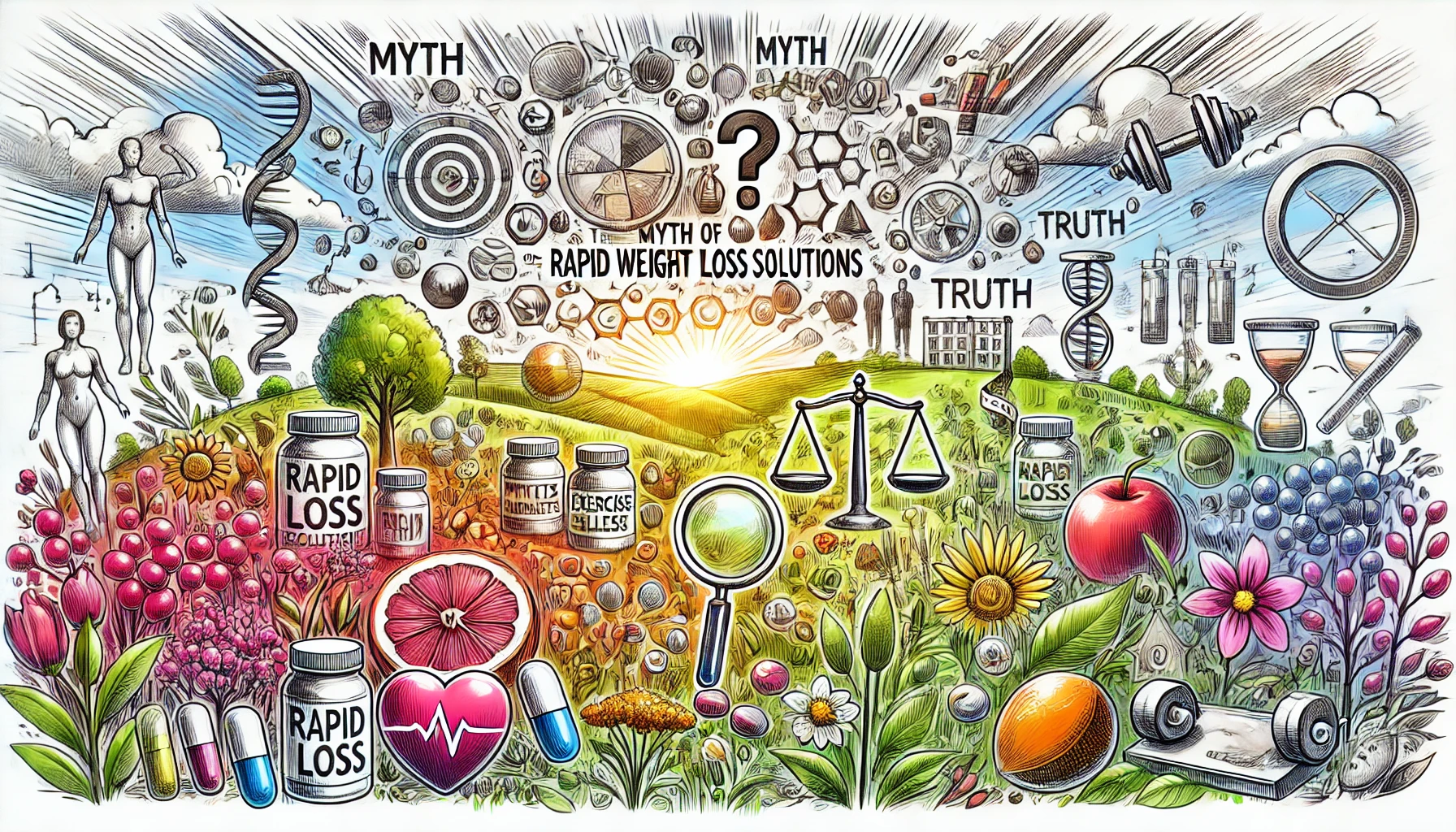
In the quest for a leaner physique, rapid weight loss solutions often seem incredibly appealing. The promise of shedding pounds quickly with minimal effort is enticing, leading many to try various diets, supplements, and extreme fitness regimes. However, the reality is that these quick fixes rarely lead to sustainable, healthy weight loss. This guide debunks the myth of rapid weight loss solutions, explaining why slow and steady approaches are more effective for long-term success.
Rapid weight loss solutions, including crash diets, extreme workouts, and miracle supplements, promise quick results but often fall short of delivering sustainable benefits. These methods can lead to temporary weight loss primarily through water loss and muscle depletion rather than fat loss. Understanding the dangers and limitations of these approaches can help you make more informed decisions and embrace healthier, long-term weight management strategies.
1. The Appeal of Rapid Weight Loss Solutions
Instant Gratification
- Quick Results: The promise of losing significant weight in a short time is highly attractive to those seeking immediate changes.
- Cultural Pressure: Societal emphasis on quick fixes and instant results fuels the popularity of rapid weight loss methods.
Marketing Tactics
- Miracle Claims: Many products and diets are marketed with exaggerated claims of dramatic weight loss without effort.
- Celebrity Endorsements: Influencers and celebrities often promote these quick-fix solutions, enhancing their appeal.
2. Common Rapid Weight Loss Methods
Crash Diets
- Severe Caloric Restriction: Drastically reducing calorie intake to promote quick weight loss.
- Mono Diets: Eating only one type of food, such as the grapefruit diet or cabbage soup diet.
Extreme Exercise Regimens
- High-Intensity Workouts: Programs that push the body to its limits with intense, prolonged exercise sessions.
- Overtraining: Exercising excessively without allowing time for recovery.
Weight Loss Supplements
- Fat Burners: Pills and powders claimed to boost metabolism and accelerate fat loss.
- Detox Teas and Cleanses: Products marketed to cleanse the body and promote rapid weight loss.
3. The Reality of Rapid Weight Loss
Initial Weight Loss
- Water Weight: The initial rapid weight loss is often due to water loss, not fat loss.
- Muscle Loss: Severe caloric restriction can lead to muscle loss, slowing metabolism and reducing overall strength.
Rebound Effect
- Weight Regain: Most people regain the lost weight once they resume normal eating habits.
- Yo-Yo Dieting: The cycle of losing and regaining weight can lead to long-term health issues and a slower metabolism.
4. Health Risks of Rapid Weight Loss
Nutritional Deficiencies
- Lack of Essential Nutrients: Crash diets often lack essential vitamins, minerals, and macronutrients needed for overall health.
- Health Consequences: Long-term nutritional deficiencies can lead to serious health problems, including weakened immune function, bone loss, and muscle wasting.
Physical and Mental Strain
- Fatigue and Weakness: Severe caloric restriction and intense exercise can cause extreme fatigue and physical weakness.
- Mental Health: Rapid weight loss efforts can lead to increased stress, anxiety, and a negative relationship with food.
5. The Benefits of Slow and Steady Weight Loss
Sustainable Results
- Long-Term Success: Gradual weight loss is more likely to result in long-term weight management.
- Healthy Habits: Slow and steady approaches encourage the development of healthy eating and exercise habits.
Metabolic Health
- Preserving Muscle Mass: Gradual weight loss helps preserve muscle mass, maintaining a higher metabolic rate.
- Stable Energy Levels: Balanced nutrition supports consistent energy levels and overall well-being.
6. Effective Strategies for Sustainable Weight Loss
Balanced Diet
- Whole Foods: Focus on nutrient-dense foods such as fruits, vegetables, lean proteins, whole grains, and healthy fats.
- Portion Control: Practice mindful eating and portion control to manage caloric intake without extreme restriction.
Regular Physical Activity
- Moderate Exercise: Aim for a mix of cardiovascular exercise, strength training, and flexibility exercises.
- Consistency: Engage in regular, consistent physical activity that is enjoyable and sustainable.
7. Psychological and Emotional Support
Behavior Modification
- Mindful Eating: Pay attention to hunger and fullness cues, and develop a healthy relationship with food.
- Stress Management: Use techniques such as meditation, yoga, and deep breathing to manage stress and emotional eating.
Professional Guidance
- Nutritionists and Dietitians: Seek professional advice to develop a personalized and balanced eating plan.
- Therapists and Counselors: Address underlying emotional issues that may contribute to unhealthy eating behaviors.
8. Setting Realistic Goals
SMART Goals
- Specific: Set clear and specific weight loss goals.
- Measurable: Track progress with measurable milestones.
- Achievable: Ensure goals are realistic and achievable.
- Relevant: Focus on goals that are relevant to your overall health and well-being.
- Time-Bound: Set a timeline for achieving your goals, but be flexible and patient.
Celebrating Progress
- Non-Scale Victories: Celebrate achievements that are not related to the scale, such as increased energy, improved fitness, and better mood.
- Positive Reinforcement: Reward yourself for making healthy choices and reaching milestones.
Rapid weight loss solutions may offer quick results, but they often come with significant risks and are not sustainable. The key to long-term success lies in adopting a balanced diet, regular physical activity, and healthy lifestyle habits. By focusing on gradual weight loss and setting realistic goals, you can achieve and maintain a healthy weight while improving your overall well-being. Remember, there are no shortcuts to lasting weight loss – it’s a journey that requires patience, persistence, and a holistic approach.