
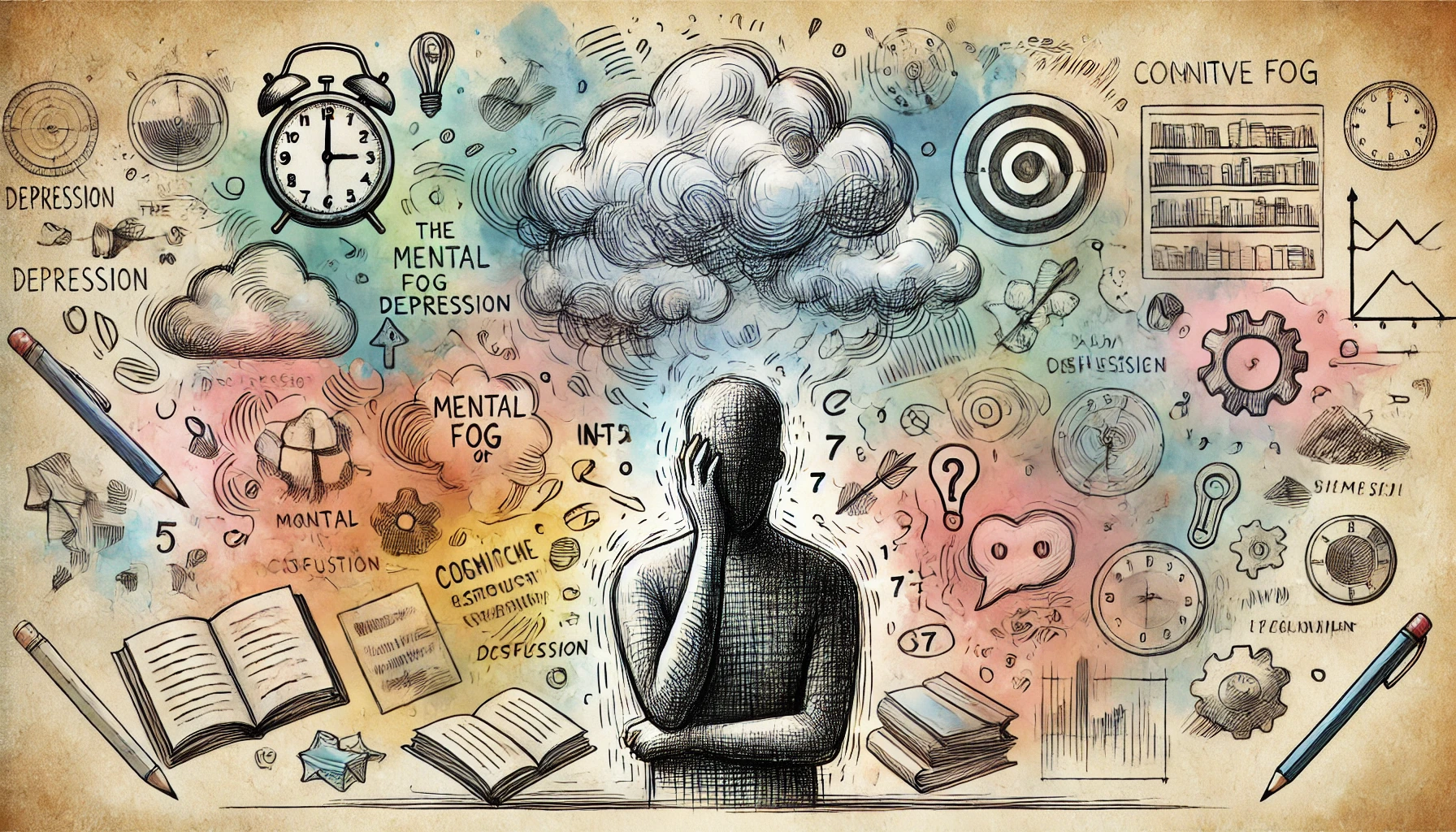
Depression is widely known for its emotional toll, often causing feelings of sadness, hopelessness, and isolation. However, less frequently discussed but equally significant is the cognitive impairment associated with depression, often referred to as mental fog. Mental fog includes difficulties with concentration, memory, decision-making, and clear thinking. For individuals with depression, this cognitive impairment can make daily tasks feel overwhelming, deepen feelings of frustration, and slow the path to recovery.
Understanding and addressing the cognitive symptoms of depression is essential for improving overall well-being. In this blog, we’ll explore how depression affects cognitive function, why mental fog happens, and practical strategies to cope with this symptom.
1. What is Mental Fog in Depression?
- Mental fog, also called brain fog, refers to a collection of cognitive symptoms that make it hard to think clearly or focus. It is common in people suffering from depression.
- This fog manifests as memory lapses, difficulty concentrating, trouble organizing thoughts, and slow decision-making.
- People experiencing mental fog often feel like they are operating at a mental sluggishness, where even simple tasks seem complicated or require excessive effort.
- The fog can also affect verbal fluency, making it hard to find the right words in conversations, which may lead to frustration in social settings.
- Mental fog in depression can make individuals feel disconnected from their usual cognitive abilities, exacerbating feelings of helplessness or self-doubt.
2. How Depression Impacts Cognitive Function
- Depression affects the prefrontal cortex and hippocampus, two areas of the brain responsible for higher-order thinking, decision-making, and memory.
- Low levels of serotonin and dopamine, neurotransmitters involved in mood regulation, can impair communication between brain cells, leading to slower processing and difficulty concentrating.
- Cortisol, the stress hormone, is often elevated in depression, which can disrupt brain function and damage areas of the brain that control memory and concentration.
- The emotional strain of depression also drains mental energy, making it harder for individuals to stay focused, recall information, or engage in problem-solving.
- This cognitive impairment is not a sign of laziness or a lack of intelligence but rather a biological consequence of depression’s impact on the brain.
3. Difficulty Concentrating
- One of the most common cognitive symptoms of depression is the inability to focus or concentrate on tasks, whether at work, school, or home.
- Individuals may find themselves easily distracted, losing focus on conversations, reading, or even watching TV, which can add to their frustration.
- The mental energy needed to concentrate on tasks feels depleted, causing procrastination and avoidance of responsibilities.
- People with depression may start projects or tasks, only to abandon them because they feel unable to keep their attention on the task at hand.
- Daydreaming or mind-wandering becomes frequent, as the individual’s brain struggles to stay engaged with the present moment.
4. Memory Problems
- Depression often affects short-term memory, making it difficult to remember recent events, conversations, or even simple tasks like paying bills or taking medications.
- People with depression may experience forgetfulness or find themselves struggling to retain information that was once easily remembered.
- This can lead to frustration or embarrassment, especially in social or work settings where memory lapses may seem like a lack of attention or care.
- Recurrent negative thoughts can crowd the brain, making it harder to store new information or recall memories when needed.
- Over time, memory issues can worsen feelings of inadequacy or guilt, deepening the depressive symptoms and making recovery feel more distant.
5. Slow Decision-Making
- Depression often leads to indecisiveness, where individuals find it difficult to make choices or come to conclusions, even about simple matters.
- Everyday decisions, like what to wear or what to eat, can feel overwhelming due to the mental fatigue that accompanies depression.
- The brain’s inability to process information quickly or weigh options efficiently makes decision-making slow and exhausting.
- Fear of making the wrong choice is common, as the lack of confidence in one’s cognitive abilities leads to second-guessing and hesitation.
- This indecision can create a vicious cycle, where procrastination due to decision fatigue leads to more stress, worsening the depressive state.
6. Emotional Impact of Mental Fog
- The cognitive impairment caused by depression can lead to a sense of frustration and self-doubt, as individuals feel disconnected from their usual cognitive abilities.
- Feelings of inadequacy often arise when individuals are unable to perform tasks or remember details as they once did, further fueling the depressive cycle.
- Mental fog can make people feel emotionally distant from themselves and others, as they are unable to engage fully in conversations or activities.
- The emotional toll of cognitive impairment can deepen feelings of isolation, as individuals withdraw from social situations due to embarrassment or fear of being judged.
- The loss of cognitive function can cause individuals to feel as though they are losing control, which can lead to increased anxiety and stress.
7. The Link Between Mental Fog and Fatigue
- Depression often leads to chronic fatigue, which contributes to mental fog by further depleting the mental energy needed for concentration and focus.
- Sleep disturbances such as insomnia or hypersomnia exacerbate fatigue, leaving the brain unable to function at its full capacity during the day.
- The combination of mental fog and fatigue can make even small tasks, like getting dressed or responding to emails, feel monumental.
- Fatigue also impacts physical energy levels, making it harder for individuals to engage in activities that could help combat mental fog, such as exercise or socializing.
- Restorative sleep is crucial for cognitive function, and without it, the brain’s ability to think clearly and process information suffers.
8. Coping Strategies for Mental Fog
- Mindfulness practices, such as meditation or deep breathing, can help clear mental fog by promoting focus and reducing stress.
- Breaking tasks down into smaller, manageable steps can make them feel less overwhelming and help regain a sense of accomplishment.
- Journaling or using lists can aid memory, allowing individuals to track tasks and goals without relying solely on short-term memory.
- Physical activity, such as walking, yoga, or light exercise, can help boost endorphins and improve mental clarity, even if it feels challenging to start.
- Taking breaks throughout the day can help reset the mind, providing a much-needed mental pause to reduce cognitive fatigue.
9. How to Support Cognitive Function in Depression
- Nutritional support is essential for cognitive function, as certain nutrients, such as omega-3 fatty acids, B vitamins, and antioxidants, support brain health.
- Hydration is also key, as dehydration can impair concentration and memory, so it’s important to stay well-hydrated throughout the day.
- Sleep hygiene practices, like maintaining a regular sleep schedule and limiting caffeine, can help improve both sleep quality and mental clarity.
- Mental exercises, such as puzzles, memory games, or learning new skills, can stimulate cognitive function and help combat mental fog.
- Therapy, particularly cognitive-behavioral therapy (CBT), can help individuals develop coping mechanisms for managing mental fog and improving focus.
10. When to Seek Professional Help
- If mental fog is significantly affecting daily life, work, or relationships, it’s important to seek help from a mental health professional.
- Therapists and counselors can provide valuable tools and strategies for managing cognitive symptoms, as well as address the underlying depression.
- Medication, such as antidepressants, can help improve mood and cognitive function by regulating neurotransmitter levels in the brain.
- Cognitive remediation therapy (CRT) is a specialized form of therapy aimed at improving cognitive function, particularly for individuals with depression or cognitive disorders.
- Early intervention is key, as untreated cognitive impairment can worsen over time, making recovery from depression more challenging.
Conclusion
Mental fog is a challenging and often overlooked symptom of depression, affecting concentration, memory, and decision-making. It can make daily tasks feel overwhelming and contribute to feelings of frustration and hopelessness. However, by recognizing the signs of cognitive impairment and implementing coping strategies, individuals can begin to clear the fog and regain mental clarity. Whether through mindfulness, physical activity, nutrition, or therapy, there are many ways to support cognitive function and improve quality of life. Remember that seeking professional help is a vital step in managing both depression and its cognitive symptoms, leading to a clearer mind and a brighter path forward.