
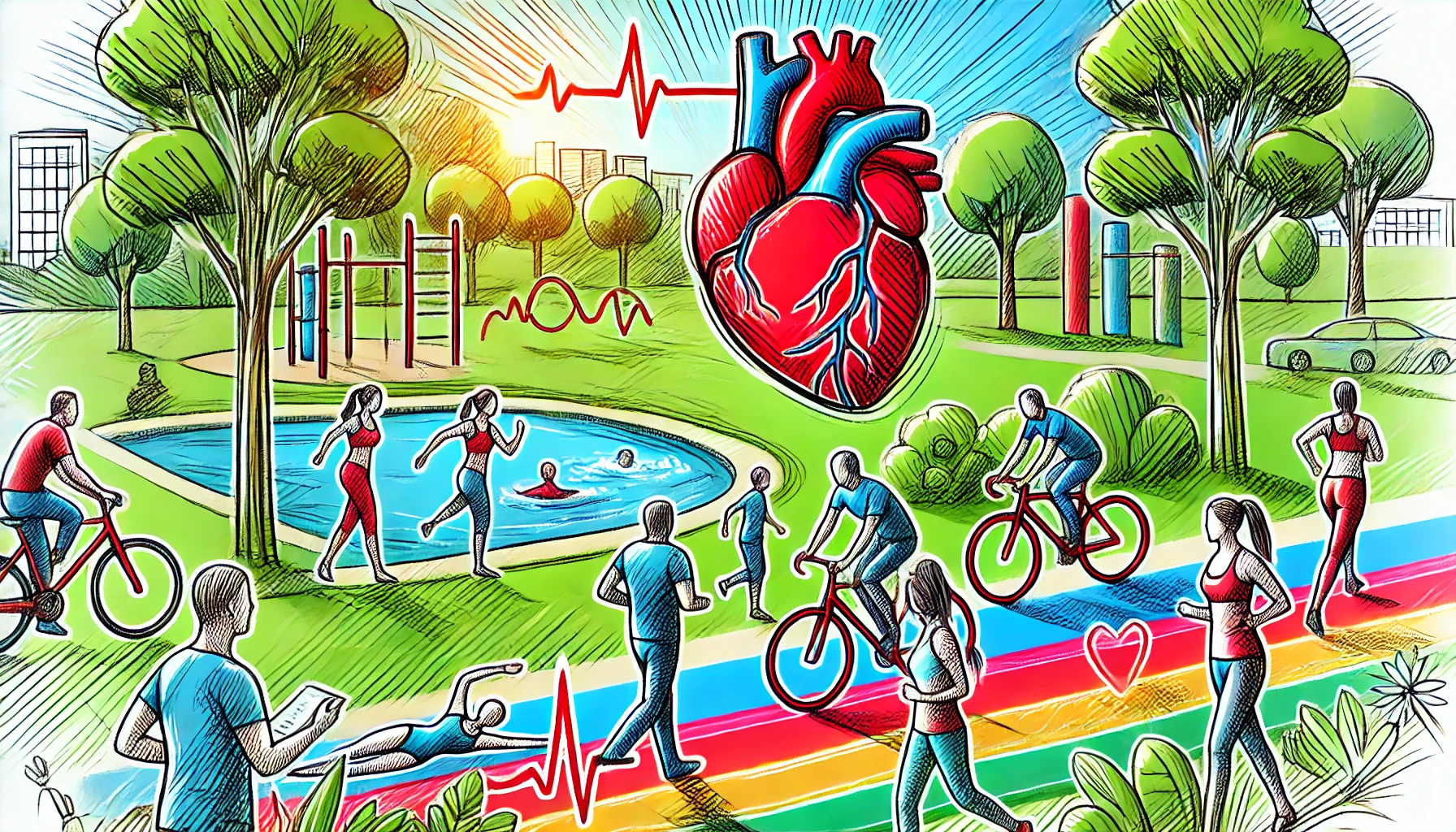
Heart disease is a leading cause of death worldwide, but many of its risk factors are preventable. One of the most effective ways to reduce the risk of heart disease is through regular physical activity. Engaging in regular exercise helps maintain a healthy weight, lowers blood pressure, improves cholesterol levels, and enhances overall cardiovascular health. This blog explores the critical role of physical activity in preventing heart disease and offers practical tips for incorporating exercise into your daily routine.
Physical activity is essential for maintaining a healthy heart. It strengthens the heart muscle, improves blood circulation, and helps manage risk factors such as high blood pressure, high cholesterol, and obesity. By understanding the benefits of exercise and how to integrate it into your lifestyle, you can take proactive steps to protect your heart and enhance your overall well-being.
1. Strengthens the Heart Muscle
- Improved efficiency: Regular physical activity strengthens the heart muscle, allowing it to pump blood more efficiently throughout the body.
- Increased cardiac output: Exercise increases the amount of blood the heart pumps per minute, improving circulation.
- Reduced workload: A stronger heart can pump more blood with each beat, reducing the heart’s workload during both rest and activity.
- Enhanced endurance: Regular aerobic exercise, such as walking, running, or swimming, improves cardiovascular endurance and overall fitness.
- Lower resting heart rate: A stronger heart beats more efficiently, leading to a lower resting heart rate and reduced strain on the heart.
2. Lowers Blood Pressure
- Reduced hypertension risk: Regular exercise helps lower high blood pressure, a significant risk factor for heart disease.
- Vasodilation: Physical activity promotes the dilation of blood vessels, improving blood flow and reducing blood pressure.
- Improved arterial function: Exercise enhances the flexibility and function of arteries, reducing the risk of hypertension.
- Stress reduction: Physical activity reduces stress hormones, which can help lower blood pressure.
- Consistent benefits: Regular exercise provides long-term benefits for blood pressure management, especially when combined with a healthy diet.
3. Improves Cholesterol Levels
- Increased HDL: Regular physical activity raises high-density lipoprotein (HDL) cholesterol, which helps remove low-density lipoprotein (LDL) cholesterol from the bloodstream.
- Reduced LDL: Exercise can lower low-density lipoprotein (LDL) cholesterol, reducing the risk of plaque buildup in arteries.
- Better lipid profile: A combination of higher HDL and lower LDL levels leads to an improved overall lipid profile.
- Triglyceride reduction: Physical activity helps lower triglyceride levels, further reducing heart disease risk.
- Synergistic effect: Combining exercise with a heart-healthy diet amplifies the positive effects on cholesterol levels.
4. Aids in Weight Management
- Calorie burning: Regular exercise helps burn calories, contributing to weight loss and maintenance.
- Muscle building: Strength training exercises build muscle mass, which increases metabolism and aids in weight control.
- Appetite regulation: Physical activity helps regulate appetite and reduce cravings, making it easier to maintain a healthy diet.
- Reduced fat accumulation: Exercise, particularly aerobic activity, helps reduce visceral fat, which is closely linked to heart disease risk.
- Sustainable habits: Regular physical activity encourages long-term healthy habits, supporting ongoing weight management.
5. Enhances Blood Sugar Control
- Improved insulin sensitivity: Regular exercise increases the body’s sensitivity to insulin, helping regulate blood sugar levels.
- Glucose uptake: Physical activity enhances the muscles’ ability to take up glucose, reducing blood sugar levels.
- Diabetes prevention: Exercise lowers the risk of developing type 2 diabetes, a major risk factor for heart disease.
- Blood sugar management: For those with diabetes, regular exercise helps manage blood sugar levels and reduce complications.
- Holistic approach: Combining physical activity with a balanced diet and medication (if needed) provides comprehensive blood sugar control.
6. Reduces Inflammation
- Anti-inflammatory effects: Regular physical activity helps reduce chronic inflammation, a risk factor for heart disease.
- Improved immune function: Exercise enhances immune system function, reducing the body’s inflammatory response.
- Reduced oxidative stress: Physical activity helps combat oxidative stress, which can damage blood vessels and contribute to heart disease.
- Balanced cytokine levels: Exercise helps balance cytokines, proteins involved in inflammation, promoting overall cardiovascular health.
- Sustained benefits: Consistent physical activity provides long-term anti-inflammatory benefits, supporting heart health.
7. Promotes Better Sleep
- Sleep quality: Regular exercise improves sleep quality and duration, essential for overall health and well-being.
- Stress reduction: Physical activity reduces stress and anxiety, which can interfere with sleep.
- Circadian rhythm: Exercise helps regulate the body’s circadian rhythm, promoting better sleep patterns.
- Recovery: Adequate sleep is crucial for physical recovery and maintaining cardiovascular health.
- Holistic health: Improved sleep contributes to better mental and physical health, enhancing heart disease prevention efforts.
8. Enhances Mental Health
- Mood improvement: Exercise promotes the release of endorphins, which improve mood and reduce symptoms of depression and anxiety.
- Stress reduction: Regular physical activity helps manage stress, a risk factor for heart disease.
- Cognitive function: Exercise enhances cognitive function and reduces the risk of cognitive decline, which is linked to cardiovascular health.
- Self-esteem: Physical activity boosts self-esteem and confidence, contributing to overall well-being.
- Social connections: Group exercises and sports provide social interaction, reducing feelings of isolation and promoting mental health.
9. Encourages a Healthy Lifestyle
- Healthy habits: Regular exercise encourages other healthy behaviors, such as better nutrition and smoking cessation.
- Routine: Incorporating physical activity into your daily routine promotes consistency and long-term commitment to health.
- Family involvement: Engaging in physical activities as a family promotes healthy habits for everyone.
- Positive reinforcement: The benefits experienced from regular exercise reinforce the desire to maintain a healthy lifestyle.
- Role modeling: Leading an active lifestyle sets a positive example for others, encouraging them to prioritize their health.
10. Practical Tips for Incorporating Exercise
- Start small: Begin with short, manageable workouts and gradually increase the duration and intensity.
- Set goals: Establish realistic fitness goals to stay motivated and track progress.
- Variety: Incorporate different types of exercise, such as aerobic, strength training, and flexibility exercises, to keep workouts interesting.
- Consistency: Schedule regular workout times and treat them as important appointments.
- Enjoyment: Choose activities you enjoy to make exercise a pleasurable part of your routine.
- Support: Seek support from friends, family, or fitness groups to stay motivated and accountable.
- Listen to your body: Pay attention to your body’s signals and avoid overexertion or injury.
- Professional guidance: Consult with a healthcare provider or fitness professional to create a safe and effective exercise plan tailored to your needs.
Conclusion
Regular physical activity is a cornerstone of heart disease prevention, offering numerous benefits for cardiovascular health and overall well-being. By strengthening the heart muscle, lowering blood pressure, improving cholesterol levels, aiding in weight management, enhancing blood sugar control, reducing inflammation, promoting better sleep, and supporting mental health, exercise plays a vital role in maintaining a healthy heart.
Incorporating regular physical activity into your daily routine can significantly reduce the risk of heart disease and improve your quality of life. By starting with small steps, setting achievable goals, and choosing enjoyable activities, you can create a sustainable exercise habit that supports long-term heart health. Prioritize physical activity to protect your heart and enhance your overall well-being.