
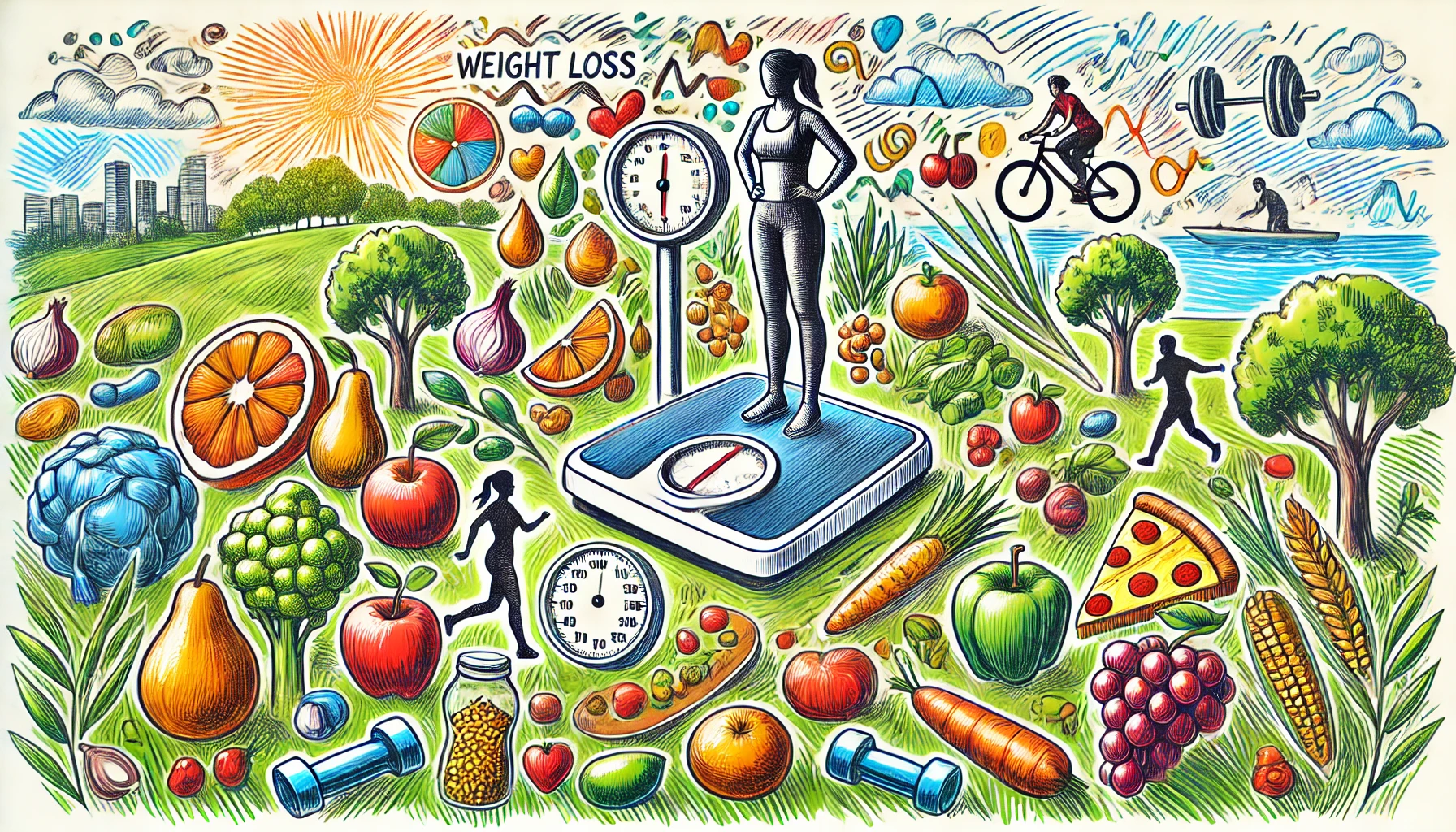
Weight loss is a powerful strategy for improving cholesterol levels and overall cardiovascular health. Excess body weight, particularly around the abdomen, can negatively impact cholesterol levels, increasing the risk of heart disease and stroke. By losing weight through a combination of healthy eating and regular physical activity, you can significantly lower bad cholesterol (LDL) and raise good cholesterol (HDL).
In this blog, we will explore the impact of weight loss on cholesterol levels. We will cover ten main points, each providing detailed insights and practical tips on how weight loss can benefit your cholesterol profile and improve your overall well-being.
1. Reducing LDL Cholesterol
- Excess Fat and LDL: Excess body fat, especially visceral fat around the abdomen, contributes to higher levels of LDL cholesterol.
- Weight Loss Effect: Losing weight helps reduce the production of LDL cholesterol in the liver.
- Healthy Diet: Incorporate a diet rich in fruits, vegetables, whole grains, and lean proteins to support weight loss and lower LDL levels.
- Exercise: Engage in regular aerobic exercise to help reduce LDL cholesterol and promote weight loss.
- Consistency: Aim for a gradual weight loss of 1-2 pounds per week for sustained benefits.
2. Increasing HDL Cholesterol
- Role of HDL: HDL cholesterol helps remove excess cholesterol from the bloodstream and transport it to the liver for excretion.
- Weight Loss Benefit: Losing weight can increase HDL cholesterol levels, enhancing its protective effect against heart disease.
- Physical Activity: Regular physical activity, such as brisk walking, running, or cycling, can help raise HDL levels.
- Healthy Fats: Include healthy fats from sources like olive oil, avocados, and nuts to support HDL cholesterol.
- Moderate Alcohol: Drinking alcohol in moderation (one drink per day for women and two for men) may also help raise HDL levels.
3. Lowering Triglycerides
- Triglycerides and Risk: High triglyceride levels are associated with an increased risk of heart disease.
- Weight Loss Impact: Losing weight can significantly lower triglyceride levels, reducing cardiovascular risk.
- Dietary Changes: Reduce intake of sugary foods, refined carbohydrates, and alcohol to lower triglycerides.
- Omega-3 Fatty Acids: Incorporate omega-3-rich foods like fatty fish, flaxseeds, and chia seeds to help reduce triglycerides.
- Exercise: Regular aerobic exercise is effective in lowering triglyceride levels.
4. Improving Overall Lipid Profile
- Comprehensive Benefits: Weight loss positively impacts the entire lipid profile, including LDL, HDL, and triglycerides.
- Holistic Approach: Adopting a holistic approach to weight loss that includes diet, exercise, and lifestyle changes can optimize lipid levels.
- Balanced Diet: Follow a balanced diet that includes a variety of nutrient-dense foods to support overall health.
- Regular Monitoring: Keep track of your lipid profile through regular blood tests to monitor progress.
- Healthcare Guidance: Work with a healthcare provider to develop a personalized plan for improving your lipid profile through weight loss.
5. Reducing Inflammation
- Chronic Inflammation: Excess weight is associated with chronic inflammation, which can contribute to higher cholesterol levels and heart disease.
- Weight Loss Benefit: Losing weight helps reduce inflammation in the body, improving cholesterol levels and cardiovascular health.
- Anti-Inflammatory Foods: Include anti-inflammatory foods such as berries, leafy greens, nuts, and fatty fish in your diet.
- Physical Activity: Regular exercise helps reduce inflammation and supports weight loss.
- Stress Management: Practice stress-reducing techniques like yoga, meditation, and deep breathing to lower inflammation.
6. Enhancing Insulin Sensitivity
- Insulin Resistance: Excess weight, particularly around the abdomen, can lead to insulin resistance, increasing the risk of type 2 diabetes and high cholesterol.
- Weight Loss Impact: Losing weight improves insulin sensitivity, helping to lower cholesterol levels.
- Dietary Choices: Focus on whole foods, fiber-rich foods, and low-glycemic-index foods to improve insulin sensitivity.
- Regular Exercise: Engage in both aerobic and resistance training exercises to enhance insulin sensitivity and support weight loss.
- Balanced Meals: Combine protein, healthy fats, and fiber at each meal to stabilize blood sugar levels.
7. Promoting Heart Health
- Cardiovascular Risk: Excess weight increases the risk of cardiovascular diseases, including heart attack and stroke.
- Weight Loss Benefit: Losing weight improves cholesterol levels and reduces the overall risk of cardiovascular diseases.
- Healthy Habits: Adopt heart-healthy habits such as eating a balanced diet, exercising regularly, and avoiding smoking.
- Regular Check-Ups: Schedule regular check-ups with your healthcare provider to monitor heart health and cholesterol levels.
- Preventive Measures: Take preventive measures such as managing blood pressure and reducing stress to support heart health.
8. Supporting Sustainable Weight Loss
- Long-Term Success: Sustainable weight loss is key to maintaining healthy cholesterol levels over time.
- Gradual Changes: Make gradual changes to your diet and exercise routine for long-term success.
- Set Realistic Goals: Set realistic and achievable weight loss goals to stay motivated.
- Behavioral Changes: Focus on making behavioral changes, such as mindful eating and regular physical activity, to support weight loss.
- Consistency: Consistency is essential for maintaining weight loss and its benefits on cholesterol levels.
9. Personalized Weight Loss Plans
- Individual Needs: Personalized weight loss plans take into account individual needs, preferences, and health conditions.
- Professional Guidance: Work with a dietitian, nutritionist, or healthcare provider to develop a personalized weight loss plan.
- Regular Monitoring: Regularly monitor your progress and make adjustments to your plan as needed.
- Flexibility: Be flexible and willing to adapt your plan based on your progress and changing needs.
- Support Systems: Seek support from family, friends, or support groups to stay motivated and accountable.
10. Combining Weight Loss with Other Healthy Habits
- Comprehensive Approach: Combining weight loss with other healthy habits maximizes the benefits for cholesterol levels and overall health.
- Healthy Eating: Follow a balanced diet rich in fruits, vegetables, whole grains, lean proteins, and healthy fats.
- Regular Exercise: Engage in regular physical activity, including both aerobic and resistance training exercises.
- Stress Management: Practice stress-reducing techniques to support weight loss and improve cholesterol levels.
- Regular Sleep: Ensure adequate and quality sleep to support overall health and weight loss efforts.
Weight loss has a significant positive impact on cholesterol levels and overall cardiovascular health. By adopting a comprehensive approach that includes healthy eating, regular exercise, and lifestyle changes, you can effectively manage your weight and improve your lipid profile. Combine these strategies with regular monitoring and professional guidance to achieve and maintain optimal cholesterol levels and overall well-being.