
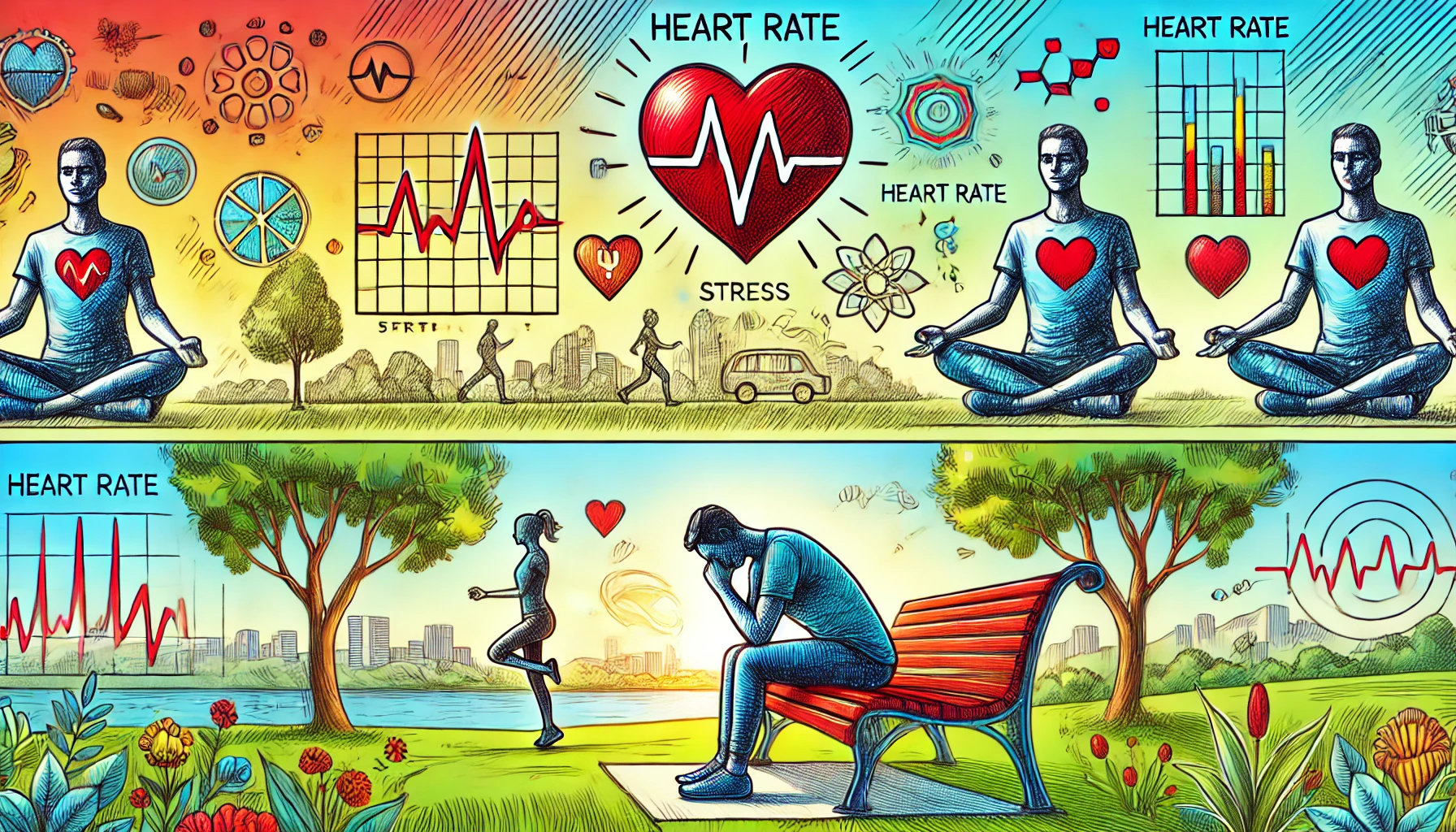
Stress is an inevitable part of life, but chronic stress can have significant implications for your heart health. One of the most immediate and noticeable effects of stress is an increase in heart rate. Understanding how stress impacts your heart rate and learning effective stress management techniques can help you maintain cardiovascular health and overall well-being. This blog explores the relationship between stress and heart rate, the long-term effects on heart health, and practical strategies for managing stress.
The Relationship Between Stress and Heart Rate
- Fight-or-Flight Response: When you experience stress, your body triggers the fight-or-flight response, releasing stress hormones like adrenaline and cortisol. These hormones prepare your body to react quickly by increasing heart rate, blood pressure, and energy supplies.
- Sympathetic Nervous System Activation: Stress activates the sympathetic nervous system, which stimulates the heart to beat faster and stronger, increasing blood flow to essential organs and muscles.
- Heart Rate Variability (HRV): Stress can decrease HRV, which is the variation in time between each heartbeat. Lower HRV is associated with increased stress and reduced cardiovascular health.
The Long-Term Effects of Stress on Heart Health
- Hypertension: Chronic stress can lead to sustained high blood pressure, increasing the risk of heart disease and stroke.
- Atherosclerosis: Prolonged stress can contribute to the development of atherosclerosis, a condition where plaque builds up in the arteries, restricting blood flow.
- Arrhythmias: Stress can trigger irregular heartbeats or arrhythmias, which can be dangerous if they become severe.
- Inflammation: Chronic stress can lead to inflammation in the body, contributing to heart disease and other health issues.
- Behavioral Changes: Stress can lead to unhealthy behaviors such as overeating, smoking, or lack of exercise, further increasing the risk of heart disease.
How to Monitor Stress and Heart Rate
- Wearable Devices: Use fitness trackers or smartwatches with heart rate monitoring and stress tracking features to monitor your heart rate and stress levels.
- Manual Monitoring: Check your pulse regularly, especially during stressful situations, to observe changes in your heart rate.
- Heart Rate Variability (HRV): Track your HRV using specialized apps or devices. A lower HRV can indicate higher stress levels.
- Resting Heart Rate (RHR): Monitor your resting heart rate over time. An elevated RHR may indicate chronic stress.
Practical Strategies for Managing Stress
1. Regular Physical Activity
- Exercise Benefits: Regular exercise helps reduce stress hormones and triggers the release of endorphins, which are natural mood boosters.
- Cardio Workouts: Engage in aerobic activities like walking, running, cycling, or swimming to improve cardiovascular health and reduce stress.
- Strength Training: Incorporate strength training exercises to build muscle, improve metabolism, and enhance overall well-being.
- Consistency: Aim for at least 150 minutes of moderate-intensity exercise per week.
2. Mindfulness and Meditation
- Mindfulness Practices: Engage in mindfulness practices such as meditation, deep breathing exercises, or yoga to reduce stress and improve mental clarity.
- Breathing Techniques: Practice deep breathing exercises, such as diaphragmatic breathing or the 4-7-8 technique, to calm the mind and reduce heart rate.
- Guided Meditation: Use apps or online resources to follow guided meditation sessions designed to reduce stress and promote relaxation.
3. Healthy Diet
- Balanced Nutrition: Eat a balanced diet rich in fruits, vegetables, whole grains, lean proteins, and healthy fats to support overall health and reduce stress.
- Limit Stimulants: Reduce the intake of caffeine, alcohol, and sugar, which can exacerbate stress and increase heart rate.
- Hydration: Drink plenty of water throughout the day to stay hydrated and support bodily functions.
4. Adequate Sleep
- Sleep Quality: Aim for 7-9 hours of quality sleep each night to allow your body to recover and manage stress effectively.
- Sleep Hygiene: Establish a regular sleep routine, create a restful environment, and avoid screens before bedtime to improve sleep quality.
- Relaxation Techniques: Practice relaxation techniques such as reading, taking a warm bath, or listening to calming music before bed.
5. Time Management and Organization
- Prioritize Tasks: Use time management techniques to prioritize tasks and reduce the feeling of being overwhelmed.
- Set Realistic Goals: Break down larger tasks into smaller, manageable steps and set realistic goals to avoid unnecessary stress.
- Delegation: Delegate tasks when possible to reduce your workload and stress levels.
6. Social Support
- Connect with Others: Maintain strong social connections with friends and family to provide emotional support and reduce stress.
- Communication: Share your feelings and concerns with trusted individuals to relieve stress and gain perspective.
- Support Groups: Join support groups or seek professional counseling if you are experiencing chronic stress or anxiety.
7. Hobbies and Leisure Activities
- Engage in Hobbies: Pursue hobbies and activities that you enjoy and that help you relax, such as gardening, painting, or playing a musical instrument.
- Leisure Time: Make time for leisure activities that promote relaxation and reduce stress.
Conclusion
Stress has a significant impact on heart rate and overall heart health. Chronic stress can lead to hypertension, atherosclerosis, arrhythmias, and other cardiovascular issues. By monitoring your heart rate and using effective stress management techniques, you can reduce the negative effects of stress on your heart and improve your overall well-being. Incorporate regular physical activity, mindfulness practices, a healthy diet, adequate sleep, time management, social support, and hobbies into your daily routine to manage stress effectively and maintain a healthy heart.