
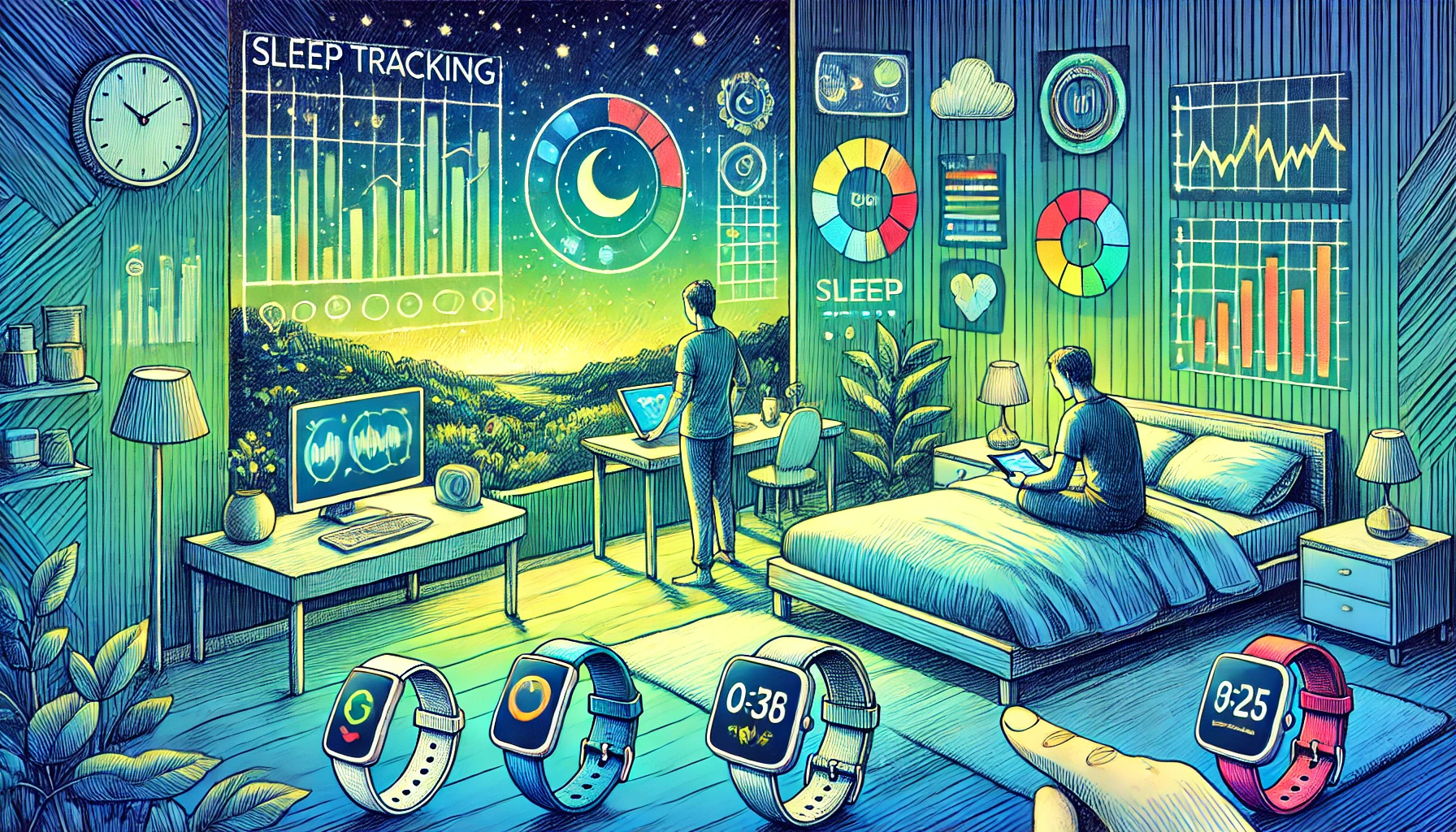
Sleep tracking has become a popular tool for individuals looking to improve their sleep habits and overall health. By providing detailed insights into sleep patterns, these devices encourage better sleep hygiene and help users make informed decisions about their rest. This blog explores the impact of sleep tracking on sleep habits, highlighting how these devices influence behavior and contribute to healthier sleep routines.
Quality sleep is essential for maintaining mental and physical health, affecting everything from cognitive function and emotional stability to physical recovery and immune health. By understanding and utilizing the data from sleep tracking devices, individuals can make significant improvements to their sleep habits and overall well-being.
1. Increased Awareness of Sleep Patterns
- Sleep Stages: Tracking different sleep stages, including light, deep, and REM sleep, helps users understand the quality of their sleep and identify areas for improvement.
- Sleep Duration: Monitoring total sleep time allows users to ensure they are getting enough rest each night, aligning with recommended sleep durations.
- Wakefulness: Detecting periods of wakefulness and disruptions during the night provides insights into potential sleep disturbances.
- Consistency: Sleep trackers highlight the importance of maintaining a consistent sleep schedule, encouraging regular bedtime and wake-up times.
- Sleep Trends: Analyzing long-term sleep data helps users identify patterns and correlations, aiding in the adjustment of habits to improve sleep quality.
2. Motivation to Improve Sleep Hygiene
- Setting Goals: Sleep trackers allow users to set specific sleep goals, such as increasing sleep duration or improving sleep efficiency, fostering motivation.
- Progress Tracking: Visualizing progress over time through graphs and charts keeps users motivated to maintain or improve their sleep habits.
- Positive Reinforcement: Receiving positive feedback from the device, such as higher sleep scores, encourages users to continue practicing good sleep hygiene.
- Sleep Challenges: Some apps and devices offer sleep challenges or rewards for meeting sleep goals, making the process engaging and motivating.
- Accountability: Knowing that their sleep is being monitored can make users more accountable to their sleep routines, reducing the temptation to stay up late or engage in poor sleep practices.
3. Identification of Sleep Disruptors
- Environmental Factors: Sleep trackers can identify environmental factors, such as noise, light, and temperature, that may be disrupting sleep.
- Lifestyle Habits: By correlating sleep data with daily activities, users can identify habits, like caffeine intake or screen time, that negatively affect sleep.
- Health Conditions: Continuous monitoring can help detect signs of sleep disorders, such as sleep apnea or restless leg syndrome, prompting users to seek medical advice.
- Stress Levels: Tracking metrics like heart rate variability (HRV) can provide insights into how stress affects sleep, encouraging stress management practices.
- Diet and Exercise: Understanding the impact of diet and exercise on sleep helps users make better lifestyle choices that support restful sleep.
4. Implementation of Personalized Sleep Strategies
- Customized Recommendations: Many sleep trackers offer personalized recommendations based on individual sleep data, helping users make targeted improvements.
- Bedtime Routines: Devices suggest relaxing bedtime routines, such as reading or meditation, to help users wind down and prepare for sleep.
- Sleep Environment Adjustments: Recommendations for optimizing the sleep environment, like adjusting room temperature or using blackout curtains, improve sleep quality.
- Sleep Schedule Adjustments: Insights into the ideal bedtime and wake-up time based on sleep patterns help users establish a consistent sleep schedule.
- Stress Reduction Techniques: Personalized suggestions for stress reduction, such as deep breathing exercises or mindfulness practices, promote better sleep.
5. Enhanced Accountability and Consistency
- Daily Tracking: Consistently tracking sleep data helps users stay accountable to their sleep goals and routines.
- Regular Feedback: Receiving regular feedback on sleep quality keeps users informed and engaged in their sleep improvement journey.
- Routine Reinforcement: The routine of checking sleep data daily reinforces the importance of maintaining good sleep habits.
- Behavior Modification: Awareness of sleep data encourages positive behavior changes, such as avoiding late-night snacks or reducing screen time before bed.
- Support Networks: Sharing sleep data with friends, family, or health professionals provides additional support and accountability.
6. Improved Daytime Functioning
- Enhanced Energy Levels: Better sleep leads to improved energy levels and reduced daytime fatigue, enhancing overall productivity and performance.
- Cognitive Function: Quality sleep supports cognitive functions like memory, attention, and problem-solving, improving daily activities and decision-making.
- Mood Stability: Consistent, restful sleep helps regulate mood and emotional responses, reducing irritability and enhancing well-being.
- Physical Health: Improved sleep contributes to better physical health, supporting immune function, weight management, and cardiovascular health.
- Stress Resilience: Quality sleep enhances resilience to stress, helping individuals cope better with daily challenges.
7. Early Detection of Sleep Disorders
- Sleep Apnea Detection: Advanced sleep trackers can detect patterns indicative of sleep apnea, such as irregular breathing or drops in blood oxygen levels.
- Insomnia Patterns: Monitoring sleep onset and duration helps identify chronic insomnia and prompts users to seek appropriate treatment.
- Restless Leg Syndrome: Tracking leg movements during sleep can reveal symptoms of restless leg syndrome, leading to early intervention.
- Circadian Rhythm Disorders: Identifying irregular sleep-wake patterns helps diagnose circadian rhythm disorders, guiding appropriate adjustments.
- Professional Consultation: Continuous monitoring provides valuable data for healthcare providers, aiding in the diagnosis and treatment of sleep disorders.
8. Integration with Overall Health Management
- Health App Syncing: Integrating sleep data with other health and fitness apps provides a comprehensive view of overall health.
- Lifestyle Correlations: Analyzing how lifestyle factors like diet, exercise, and stress impact sleep helps users make holistic health improvements.
- Medical Monitoring: For individuals with chronic health conditions, sleep data can inform healthcare providers about the impact of these conditions on sleep.
- Preventive Health: Regular sleep tracking aids in the early detection of health issues, promoting preventive measures and timely intervention.
- Personalized Health Plans: Combining sleep data with other health metrics allows for the creation of personalized health plans that support overall well-being.
9. Long-Term Sleep Habit Formation
- Behavioral Changes: Consistent tracking and feedback lead to lasting behavioral changes that support better sleep habits.
- Routine Establishment: Regular monitoring helps establish and maintain a consistent sleep routine, essential for long-term sleep quality.
- Habit Reinforcement: Positive reinforcement from meeting sleep goals encourages the continued practice of good sleep hygiene.
- Adaptive Learning: Over time, users learn which practices and environments best support their sleep, leading to more effective sleep strategies.
- Sustained Improvements: Long-term use of sleep trackers helps sustain improvements in sleep quality, contributing to ongoing health and well-being.
10. Future Advancements and Potential
- AI and Machine Learning: Future sleep trackers will use AI and machine learning to provide even more personalized and accurate sleep recommendations.
- Advanced Biometrics: Incorporating advanced biometrics, such as blood pressure and EEG monitoring, will enhance the accuracy and depth of sleep analysis.
- Contactless Tracking: Innovations in contactless tracking technology will offer more comfortable and convenient ways to monitor sleep.
- Holistic Health Integration: Sleep trackers will increasingly integrate with holistic health management systems, providing a comprehensive view of health.
- Continued Research: Ongoing research and development will continue to improve the efficacy of sleep tracking technology, making it an even more valuable tool for enhancing sleep health.
Conclusion
The impact of sleep tracking on sleep habits is profound, offering insights and tools that help individuals improve their sleep quality and overall health. By increasing awareness of sleep patterns, motivating better sleep hygiene, identifying disruptors, and providing personalized recommendations, sleep trackers empower users to make positive changes. As technology advances, the potential for even greater benefits from sleep tracking continues to grow, promising a future where optimal sleep health is more accessible than ever.