
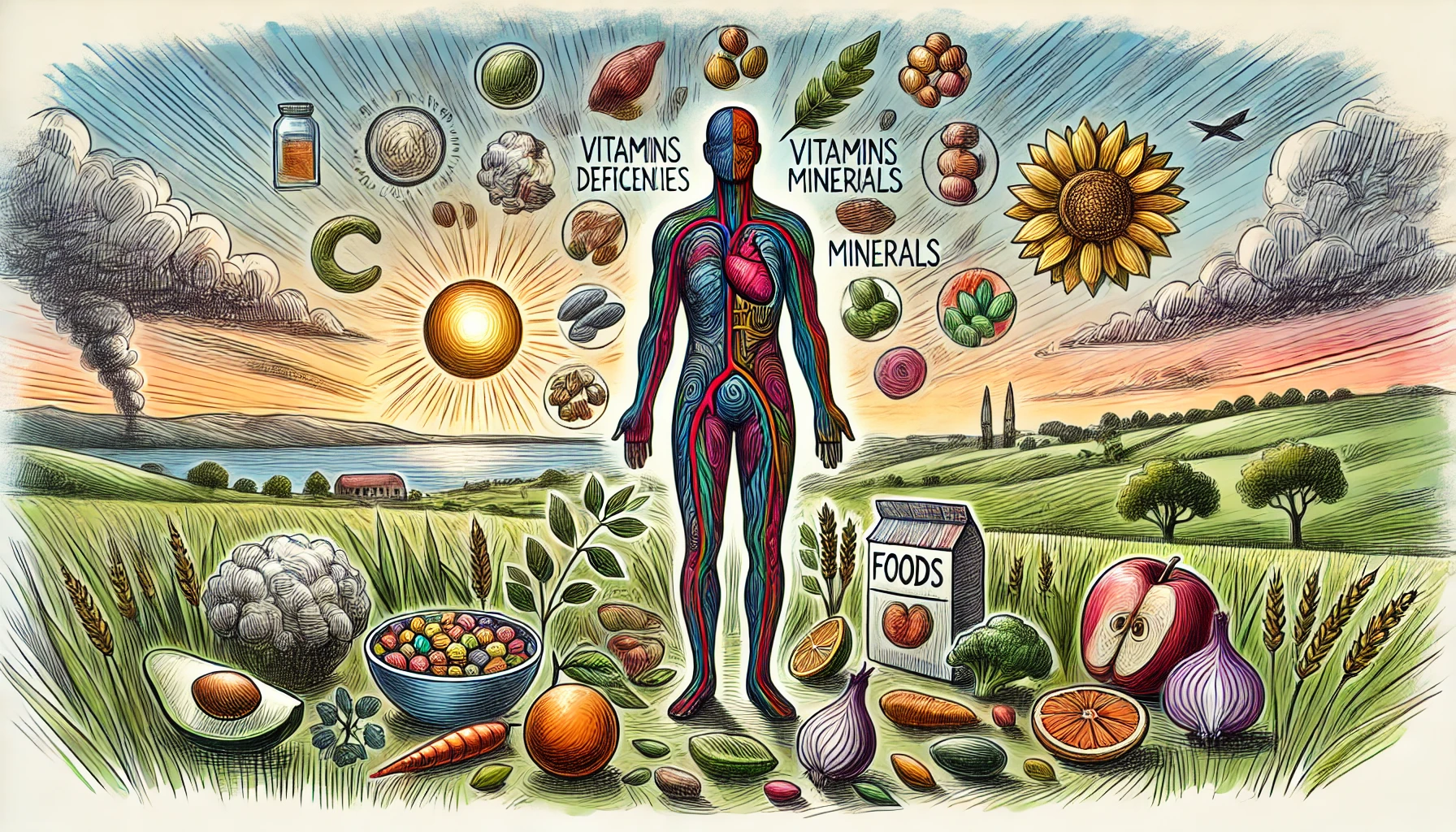
Nutritional deficiencies occur when the body does not get enough essential nutrients from the diet, leading to various health problems. These deficiencies can affect multiple bodily functions, from energy production and immune response to cognitive function and bone health. Understanding the impact of nutritional deficiencies on overall health is crucial for maintaining optimal well-being and preventing chronic diseases.
Nutritional deficiencies can arise from poor dietary choices, certain medical conditions, or increased nutrient needs during specific life stages. This blog explores the common nutritional deficiencies, their symptoms, and their effects on overall health, providing insights into how to address and prevent them.
1. Iron Deficiency
- Anemia: Iron deficiency leads to anemia, characterized by fatigue, weakness, and pale skin due to reduced oxygen transport in the blood.
- Immune Function: Iron is vital for a healthy immune system; deficiency can result in increased susceptibility to infections.
- Cognitive Function: Lack of iron can impair cognitive development in children and cause difficulties in concentration and memory in adults.
- Physical Performance: Iron deficiency can lead to decreased physical performance and endurance due to impaired muscle function.
- Hair and Nail Health: Brittle nails and hair loss are common signs of iron deficiency.
2. Vitamin D Deficiency
- Bone Health: Vitamin D is essential for calcium absorption; deficiency can lead to rickets in children and osteomalacia or osteoporosis in adults.
- Immune System: Vitamin D plays a crucial role in immune function, and deficiency can increase the risk of infections and autoimmune diseases.
- Mental Health: Low levels of vitamin D are associated with mood disorders such as depression and anxiety.
- Cardiovascular Health: Vitamin D deficiency has been linked to increased risk of cardiovascular diseases, including hypertension and heart disease.
- Muscle Strength: Insufficient vitamin D can cause muscle weakness and increase the risk of falls in older adults.
3. Vitamin B12 Deficiency
- Anemia: Vitamin B12 deficiency leads to megaloblastic anemia, causing fatigue, weakness, and pallor.
- Neurological Issues: Deficiency can result in nerve damage, leading to numbness, tingling, and balance problems.
- Cognitive Decline: Low levels of B12 are associated with memory loss, confusion, and an increased risk of dementia.
- Mood Disorders: Vitamin B12 deficiency can contribute to mood disturbances, including depression and irritability.
- Heart Health: Elevated homocysteine levels due to B12 deficiency can increase the risk of cardiovascular diseases.
4. Calcium Deficiency
- Bone Health: Calcium deficiency can lead to weakened bones, increasing the risk of fractures and conditions like osteoporosis.
- Dental Health: Insufficient calcium can result in weak teeth and increased susceptibility to cavities and gum disease.
- Muscle Function: Calcium is crucial for muscle contraction; deficiency can cause muscle cramps and spasms.
- Cardiovascular Function: Low calcium levels can affect heart function, leading to abnormal heart rhythms.
- Blood Clotting: Calcium plays a role in blood clotting, and deficiency can impair the body’s ability to form blood clots properly.
5. Magnesium Deficiency
- Muscle and Nerve Function: Magnesium is essential for muscle relaxation and nerve function; deficiency can cause muscle twitches, cramps, and spasms.
- Bone Health: Magnesium contributes to bone formation and mineralization; deficiency can weaken bones.
- Mental Health: Low magnesium levels are linked to mood disorders such as anxiety, depression, and irritability.
- Heart Health: Magnesium deficiency can lead to high blood pressure, arrhythmias, and other cardiovascular issues.
- Energy Production: Magnesium is involved in ATP production; deficiency can result in fatigue and reduced energy levels.
6. Iodine Deficiency
- Thyroid Function: Iodine is critical for thyroid hormone production; deficiency can lead to goiter and hypothyroidism.
- Metabolic Rate: Insufficient iodine can slow metabolic processes, causing weight gain and fatigue.
- Cognitive Function: Iodine deficiency during pregnancy and early childhood can impair cognitive development and lower IQ.
- Growth and Development: In children, iodine deficiency can result in stunted growth and developmental delays.
- Reproductive Health: Low iodine levels can affect fertility and increase the risk of miscarriage and stillbirth.
7. Zinc Deficiency
- Immune Function: Zinc is vital for immune response; deficiency can lead to frequent infections and slow wound healing.
- Growth and Development: Zinc is essential for cell growth and division; deficiency can impair growth in children.
- Skin Health: Insufficient zinc can cause skin conditions such as acne, dermatitis, and delayed wound healing.
- Taste and Smell: Zinc deficiency can lead to impaired taste and smell.
- Cognitive Function: Low zinc levels are associated with cognitive impairments and mood disturbances.
8. Folate (Vitamin B9) Deficiency
- Anemia: Folate deficiency can cause megaloblastic anemia, leading to fatigue, weakness, and pale skin.
- Pregnancy Complications: Insufficient folate during pregnancy increases the risk of neural tube defects in the fetus.
- Heart Health: Low folate levels can elevate homocysteine, increasing the risk of cardiovascular diseases.
- Mental Health: Folate deficiency is linked to mood disorders such as depression and irritability.
- Cell Division: Folate is essential for DNA synthesis and cell division; deficiency can impair tissue growth and repair.
9. Vitamin A Deficiency
- Vision: Vitamin A is crucial for eye health; deficiency can cause night blindness and increase the risk of xerophthalmia and blindness.
- Immune Function: Insufficient vitamin A weakens the immune system, leading to higher susceptibility to infections.
- Skin Health: Vitamin A deficiency can cause dry, scaly skin and increase the risk of skin infections.
- Reproductive Health: Low vitamin A levels can impair reproductive health and increase the risk of complications during pregnancy.
- Growth and Development: In children, vitamin A deficiency can result in stunted growth and delayed development.
10. Omega-3 Fatty Acid Deficiency
- Heart Health: Omega-3s are essential for cardiovascular health; deficiency can increase the risk of heart disease and stroke.
- Mental Health: Low omega-3 levels are linked to mood disorders such as depression and anxiety.
- Cognitive Function: Omega-3 deficiency can impair cognitive function and increase the risk of neurodegenerative diseases.
- Inflammation: Omega-3s have anti-inflammatory properties; deficiency can lead to chronic inflammation and related health issues.
- Joint Health: Insufficient omega-3 intake can cause joint pain and stiffness, exacerbating conditions like arthritis.
In conclusion, nutritional deficiencies can have a profound impact on overall health, affecting various bodily functions and increasing the risk of chronic diseases. By recognizing the symptoms of common deficiencies and incorporating nutrient-rich foods into your diet, you can prevent and address these issues. Regular health check-ups, balanced nutrition, and professional guidance are essential for maintaining optimal health and well-being.