
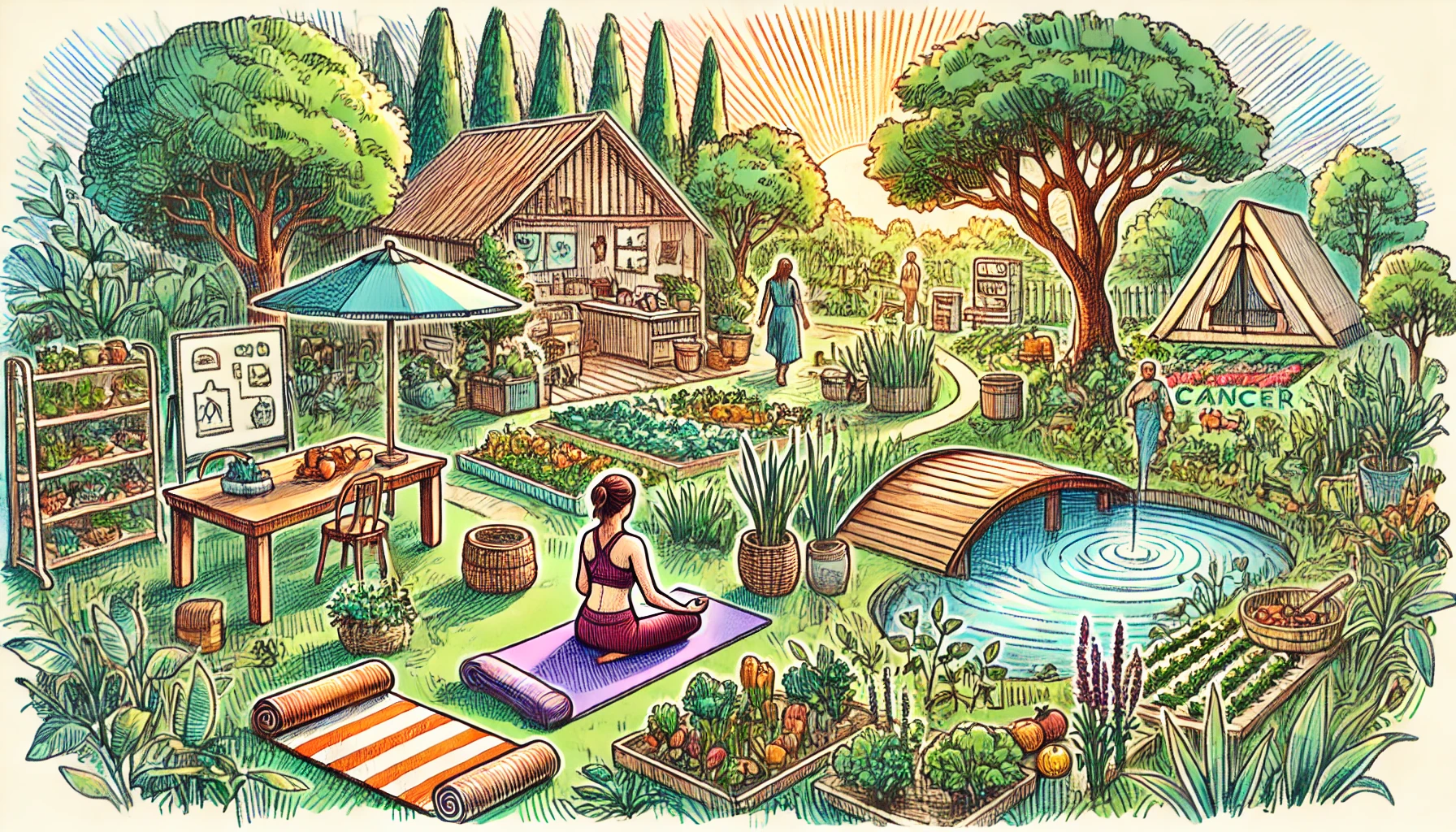
Maintaining health and wellness is essential for everyone, but for Cancer individuals, a holistic approach that considers their emotional, physical, and mental well-being is particularly beneficial. Those born under the Cancer zodiac sign (June 21 to July 22) are known for their sensitivity, empathy, and nurturing nature. To achieve optimal health, they should focus on balancing their emotional needs with physical fitness and mental clarity. In this guide, we will explore a comprehensive health and wellness approach tailored for Cancer.
Cancers are ruled by the Moon, which influences their emotions and inner world. They are deeply connected to their home and family, often finding comfort in nurturing environments. Their health and wellness routine should incorporate activities that soothe their minds, nurture their bodies, and support their emotional well-being.
1. Emotional Wellness
Mindfulness and Meditation
- Daily Practice: Incorporate mindfulness and meditation into your daily routine to manage stress and maintain emotional balance.
- Breathing Exercises: Practice deep breathing exercises to calm your mind and reduce anxiety.
- Guided Meditations: Use guided meditation apps or recordings to help focus your mind and achieve a state of relaxation.
- Gratitude Journaling: Keep a gratitude journal to reflect on positive experiences and foster a positive mindset.
- Mindful Activities: Engage in mindful activities such as walking in nature or practicing yoga to stay grounded.
Emotional Expression
- Creative Outlets: Use creative outlets like writing, painting, or music to express your emotions and process feelings.
- Therapy and Counseling: Seek therapy or counseling to work through emotional challenges and gain professional support.
- Emotional Support Network: Maintain a strong support network of friends and family who understand and validate your feelings.
- Regular Check-Ins: Schedule regular check-ins with yourself to assess your emotional state and address any issues promptly.
- Healthy Boundaries: Set healthy boundaries in relationships to protect your emotional well-being and prevent burnout.
2. Physical Wellness
Balanced Diet
- Nutrient-Rich Foods: Focus on a balanced diet rich in fruits, vegetables, lean proteins, and whole grains to support overall health.
- Hydration: Stay well-hydrated by drinking plenty of water throughout the day.
- Comfort Foods in Moderation: Enjoy comfort foods in moderation to satisfy cravings without compromising your health goals.
- Anti-Inflammatory Foods: Incorporate anti-inflammatory foods like berries, leafy greens, and fatty fish to reduce inflammation and support immune function.
- Mindful Eating: Practice mindful eating by savoring each bite and listening to your body’s hunger and fullness cues.
Regular Exercise
- Consistent Routine: Establish a consistent exercise routine that includes cardiovascular, strength training, and flexibility exercises.
- Enjoyable Activities: Choose physical activities you enjoy, such as swimming, dancing, or hiking, to stay motivated.
- Group Classes: Participate in group fitness classes or sports to stay active and socialize.
- Yoga and Pilates: Incorporate yoga or Pilates into your routine to improve flexibility, strength, and mental clarity.
- Rest and Recovery: Allow time for rest and recovery to prevent overexertion and reduce the risk of injury.
3. Mental Wellness
Mental Stimulation
- Lifelong Learning: Engage in lifelong learning through reading, taking courses, or exploring new hobbies.
- Puzzles and Games: Stimulate your mind with puzzles, games, and activities that challenge your cognitive abilities.
- Creative Projects: Work on creative projects that require problem-solving and innovative thinking.
- Mental Breaks: Take regular mental breaks throughout the day to prevent mental fatigue and maintain focus.
- Meditative Practices: Practice meditative activities like tai chi or mindfulness meditation to enhance mental clarity and relaxation.
Stress Management
- Time Management: Use time management techniques to balance work, personal life, and self-care activities effectively.
- Prioritize Tasks: Prioritize tasks to manage your workload and reduce stress.
- Relaxation Techniques: Incorporate relaxation techniques like deep breathing, progressive muscle relaxation, or aromatherapy into your daily routine.
- Mindful Practices: Practice mindful activities such as mindful walking, mindful eating, or body scan meditation to stay present and reduce stress.
- Hobbies: Engage in hobbies and activities that bring you joy and relaxation, providing a healthy escape from daily stressors.
4. Social Wellness
Strong Relationships
- Quality Time: Spend quality time with loved ones to strengthen your emotional bonds and enhance your social well-being.
- Open Communication: Practice open and honest communication with friends and family to build trust and understanding.
- Support Networks: Cultivate a support network of friends, family, and colleagues who provide emotional and practical support.
- Social Activities: Participate in social activities and gatherings to maintain a sense of community and belonging.
- Volunteering: Engage in volunteering or community service to give back and create meaningful connections.
Healthy Boundaries
- Personal Space: Respect your need for personal space and alone time to recharge.
- Limit Toxic Relationships: Identify and limit time spent with individuals who drain your energy or create unnecessary stress.
- Assertiveness: Practice assertiveness to express your needs and boundaries clearly and respectfully.
- Mutual Respect: Foster relationships based on mutual respect, trust, and support.
- Self-Compassion: Show self-compassion by acknowledging your needs and prioritizing your well-being.
5. Spiritual Wellness
Spiritual Practices
- Meditation and Prayer: Engage in meditation, prayer, or other spiritual practices that resonate with your beliefs.
- Nature Connection: Spend time in nature to connect with the natural world and find spiritual solace.
- Mindfulness: Practice mindfulness to cultivate a deeper sense of presence and awareness in your daily life.
- Reflection: Take time for self-reflection and introspection to understand your inner self and spiritual needs.
- Spiritual Community: Participate in a spiritual community or group that shares your beliefs and values.
Personal Growth
- Self-Discovery: Engage in activities that promote self-discovery and personal growth, such as journaling or attending workshops.
- Goal Setting: Set personal and spiritual goals to guide your growth and development.
- Inspirational Reading: Read inspirational books or listen to podcasts that uplift and motivate you.
- Mindful Living: Embrace a mindful lifestyle that aligns with your values and promotes inner peace.
- Gratitude Practice: Cultivate a gratitude practice to appreciate the positive aspects of your life and foster a sense of fulfillment.
In conclusion, a comprehensive health and wellness approach for Cancer involves nurturing emotional, physical, mental, social, and spiritual well-being. By incorporating mindfulness, balanced nutrition, regular exercise, mental stimulation, and meaningful social connections, Cancers can achieve a harmonious and fulfilling lifestyle. Understanding and addressing their unique needs and sensitivities ensures that they maintain overall health and well-being, allowing them to thrive in all aspects of life.