
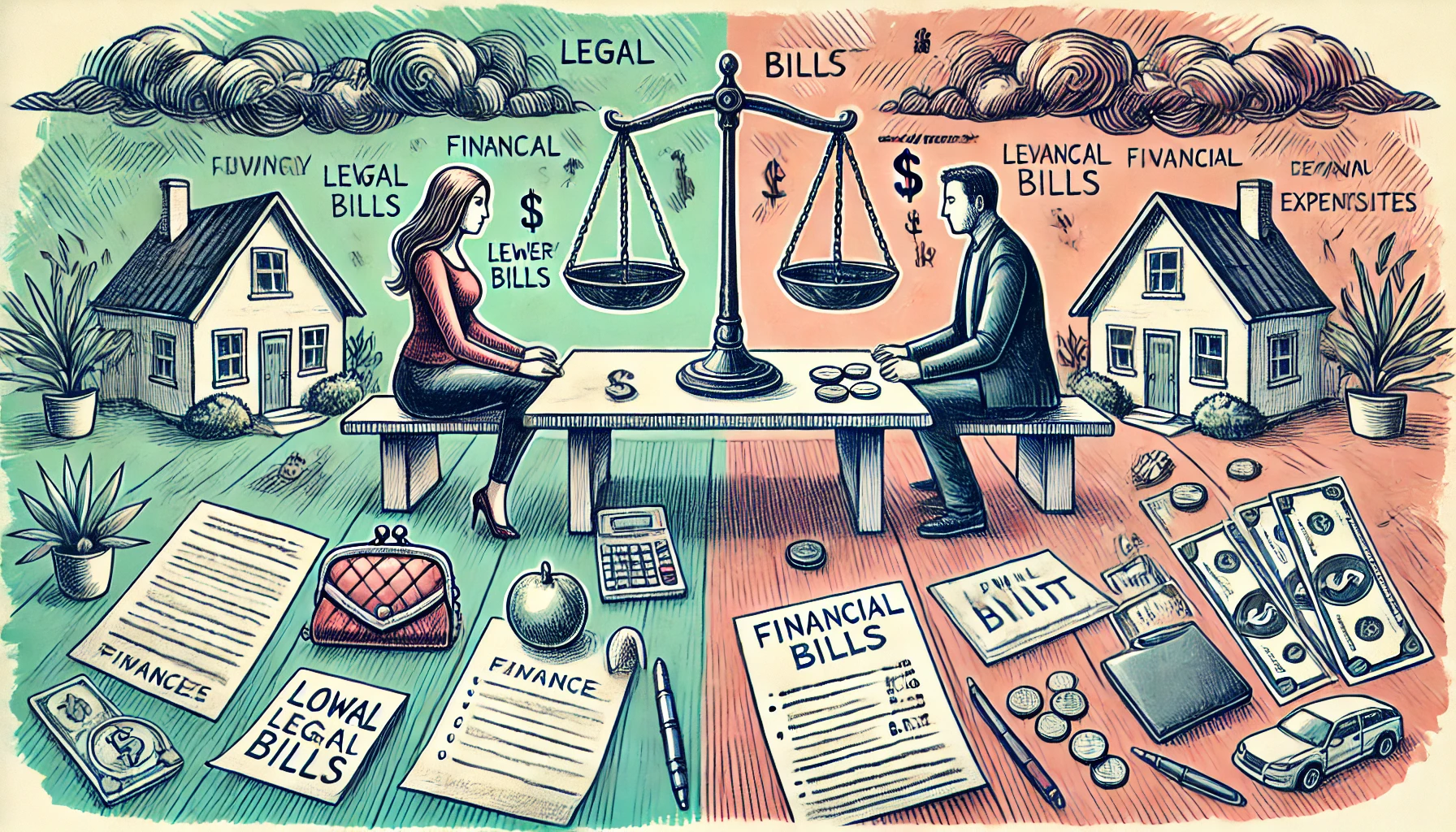
Divorce is a life-altering event that can have profound financial implications for both women and men. However, the impact often varies significantly between the genders, influenced by factors such as income disparities, custody arrangements, and societal roles. Understanding these differences is crucial for both parties to effectively navigate the financial challenges of divorce and to plan for a stable future.
While divorce can lead to financial setbacks for both women and men, women often face more significant financial challenges due to factors such as lower earnings, career interruptions, and the responsibility of raising children. Men, on the other hand, may experience financial strain from alimony or child support payments and the loss of shared income. Below are ten key points that outline the financial impact of divorce on women and men.
1. Income Disparities and Earnings Potential
- Women often earn less than men: On average, women earn less than men, which can result in a more significant financial hit after divorce. This disparity can be exacerbated if a woman has taken time off from work to care for children or has worked part-time, leading to lower overall earnings and limited career advancement opportunities.
- Men typically have higher post-divorce earnings: Men are more likely to experience less of a drop in their standard of living post-divorce because they often have higher earnings potential and fewer career interruptions. This can provide them with more financial stability after the divorce.
- Re-entering the workforce: Women who have been out of the workforce or working part-time may face challenges re-entering the job market after divorce. This can result in lower wages, reduced retirement savings, and limited job opportunities.
- Alimony as a temporary financial support: Alimony payments can help bridge the income gap for women after divorce, but it is typically temporary and may not fully compensate for the loss of a dual-income household.
- Long-term financial planning: Both women and men need to consider long-term financial planning post-divorce, including career development and retirement savings, to ensure financial stability in the future.
2. Child Custody and Support
- Women often assume primary custody: In many divorces, women are more likely to assume primary custody of the children, which can lead to increased financial responsibilities. This includes everyday expenses, healthcare costs, and education-related expenses.
- Child support payments: While child support is intended to help cover the costs of raising children, it often does not fully account for all the expenses associated with childcare. Women may find themselves shouldering a greater financial burden despite receiving child support.
- Men as child support payers: Men, on the other hand, are often the ones paying child support. These payments can be a significant portion of their income, particularly if they have additional financial obligations such as alimony or other debts.
- Impact on lifestyle: The responsibility of child-rearing can limit a woman’s ability to work full-time or advance in her career, potentially leading to a lower standard of living compared to her pre-divorce life. Men, meanwhile, may experience a reduced standard of living due to the financial obligations of child support.
- Shared custody arrangements: In cases where custody is shared more equally, both women and men may experience a more balanced financial impact, but the overall costs of maintaining two households can still strain both parties.
3. Division of Assets and Property
- Women may receive less liquid assets: In divorce settlements, women are sometimes awarded assets that are less liquid, such as the family home. While the home is valuable, it doesn’t provide immediate financial flexibility, and maintaining it can be costly.
- Men may retain more liquid assets: Men may be more likely to retain liquid assets like savings accounts, investments, or business interests. These assets can be more easily used to generate income or be reinvested, providing greater financial security.
- Retirement accounts and pensions: Retirement accounts are often divided during divorce, but women may receive a smaller portion if they were out of the workforce or earning less. This can impact their long-term financial security, especially if they live longer than their ex-spouse.
- Impact on future financial security: Both women and men must carefully consider how the division of assets will impact their future financial security. Women may need to prioritize building liquid savings and investments, while men should consider the long-term impact of losing a portion of their retirement savings.
- Legal and negotiation strategies: Effective legal representation and negotiation during the divorce process are critical for both women and men to ensure a fair division of assets that considers both short-term needs and long-term financial stability.
4. Housing and Living Arrangements
- Women often remain in the family home: Women are more likely to keep the family home after divorce, especially if they have primary custody of the children. However, maintaining the home can be financially challenging, particularly with only one income.
- Men may need to secure new housing: Men, on the other hand, may need to find new housing post-divorce, which can be costly and disrupt their financial stability. Renting or buying a new home can lead to additional expenses, especially if they also have child support or alimony obligations.
- Downsizing or relocating: Both women and men may need to consider downsizing or relocating to reduce housing costs. This can help free up funds for other expenses or savings but may also involve emotional and practical challenges, especially for children.
- Impact on credit and borrowing capacity: Post-divorce, both parties may face challenges with credit and borrowing capacity, particularly if they have taken on new housing expenses or are responsible for joint debts from the marriage.
- Long-term housing stability: Ensuring long-term housing stability is crucial for both women and men post-divorce. This may involve careful budgeting, considering the sale of the marital home, or exploring more affordable housing options.
5. Debt and Financial Obligations
- Women may be left with more marital debt: In some cases, women may end up with a larger share of marital debt, especially if they were not as involved in managing the finances during the marriage. This can include credit card debt, loans, or mortgages.
- Men often take on financial obligations: Men may be more likely to take on financial obligations such as paying off joint debts, alimony, or child support. These payments can significantly reduce their disposable income and savings potential.
- Impact on credit scores: Both women and men can see their credit scores impacted by divorce, especially if debts are not paid on time or if one party is responsible for debts they cannot manage alone.
- Legal agreements and debt division: It’s essential for both women and men to ensure that all financial obligations and debts are clearly outlined and divided in the divorce settlement. This can prevent future disputes and protect credit scores.
- Financial planning post-divorce: Developing a post-divorce financial plan is crucial for managing debt, rebuilding credit, and ensuring that financial obligations do not overwhelm either party.
6. Career and Income Disruption
- Women may experience career disruptions: Women often face career disruptions during marriage due to child-rearing responsibilities, which can lead to lower income and reduced opportunities for advancement post-divorce. Re-entering the workforce or advancing in a career after divorce can be challenging.
- Men typically experience less career disruption: Men are less likely to experience career interruptions due to family responsibilities, allowing them to maintain or advance in their careers during and after the marriage. This can result in greater financial stability post-divorce.
- Need for retraining or education: Women may need to pursue further education or retraining to improve their job prospects and earning potential post-divorce. This can be costly and time-consuming but is often necessary for long-term financial security.
- Impact on retirement savings: Career disruptions can also affect retirement savings, particularly for women. Lower lifetime earnings and fewer years of contribution can result in smaller retirement accounts, making it harder to achieve financial independence in retirement.
- Balancing work and family: Post-divorce, both women and men may need to balance work with family responsibilities, which can impact their ability to work full-time or pursue career advancement opportunities.
7. Retirement and Long-Term Financial Security
- Women may face retirement shortfalls: Women often face a greater risk of retirement shortfalls due to lower earnings, longer life expectancy, and less time in the workforce. This can make it more challenging for women to achieve financial security in retirement.
- Men’s retirement plans can be disrupted: Men may experience disruptions to their retirement plans due to the division of retirement assets and ongoing financial obligations such as alimony or child support. This can reduce their ability to save for retirement.
- Impact of divorce on Social Security: Divorce can impact Social Security benefits, particularly for women who may be eligible to claim benefits based on their ex-spouse’s earnings record. Understanding the rules around Social Security benefits post-divorce is crucial for maximizing retirement income.
- Need for increased savings and investments: Both women and men may need to increase their savings and investments post-divorce to ensure a comfortable retirement. This may involve adjusting investment strategies or working longer to build sufficient retirement savings.
- Long-term financial planning: Developing a long-term financial plan post-divorce is essential for both women and men to achieve financial security in retirement. This includes reassessing retirement goals, managing investments, and planning for potential healthcare costs.
8. Health Insurance and Medical Expenses
- Women may lose health insurance coverage: Women who were covered under their spouse’s employer-sponsored health insurance plan may lose coverage after divorce. This can lead to increased medical expenses and the need to find alternative coverage, such as through COBRA or the health insurance marketplace.
- Men may face increased healthcare costs: Men who were part of a family health insurance plan may face higher premiums when transitioning to an individual plan. Additionally, if they are responsible for child-related medical expenses, their healthcare costs can increase.
- Impact on overall financial stability: The loss of health insurance coverage or the need to pay higher premiums can significantly impact both women’s and men’s financial stability post-divorce. This may require adjustments to budgeting and financial planning to accommodate higher healthcare costs.
- Consideration of long-term care needs: Both women and men should consider the potential need for long-term care insurance, particularly if they have health issues or are concerned about future healthcare costs. Long-term care can be expensive, and planning for it is crucial for financial security in later life.
- Health Savings Accounts (HSAs): Utilizing Health Savings Accounts (HSAs) can provide a tax-advantaged way to save for medical expenses post-divorce. Both women and men should consider contributing to an HSA if they have access to one.
9. Emotional and Financial Recovery
- Women may face a longer recovery period: Women may experience a longer emotional and financial recovery period post-divorce, particularly if they were not the primary breadwinner or if they have primary custody of the children. This can impact their ability to rebuild financially and move forward.
- Men may experience financial stress: Men may experience financial stress due to ongoing obligations such as alimony or child support, as well as the loss of shared income. This stress can impact their overall well-being and ability to focus on long-term financial goals.
- The importance of financial education: Both women and men can benefit from financial education and counseling post-divorce to help them rebuild their finances, manage debt, and plan for the future. Understanding personal finance is key to achieving financial independence and stability.
- Support networks and resources: Accessing support networks and resources, such as divorce support groups, financial advisors, and legal professionals, can help both women and men navigate the challenges of divorce and begin the process of financial recovery.
- Focusing on long-term goals: Both women and men should focus on setting and achieving long-term financial goals post-divorce. This may involve rebuilding savings, investing for the future, and planning for major life events such as retirement or education expenses for children.
10. Rebuilding Financial Independence
- Women may need to rebuild financial independence: Women who were financially dependent on their spouse during the marriage may need to take steps to rebuild financial independence post-divorce. This can include re-entering the workforce, increasing earnings, and building savings.
- Men may need to adjust to single-income living: Men who were used to a dual-income household may need to adjust to living on a single income post-divorce. This may require changes to spending habits, budgeting, and long-term financial planning.
- Creating a new financial plan: Both women and men should create a new financial plan post-divorce that reflects their current income, expenses, and financial goals. This plan should include strategies for saving, investing, and managing debt.
- Importance of building an emergency fund: Building an emergency fund is crucial for both women and men post-divorce to protect against unexpected expenses and financial setbacks. An emergency fund provides a financial safety net and helps prevent reliance on credit or loans.
- Focusing on self-sufficiency: Rebuilding financial independence post-divorce requires a focus on self-sufficiency, including developing a stable income, managing expenses, and planning for the future. Both women and men can achieve financial independence with careful planning and discipline.
Conclusion
The financial impact of divorce on women and men is significant, but it varies depending on factors such as income, custody arrangements, and asset division. Women often face greater challenges due to lower earnings, career disruptions, and the responsibility of raising children. Men, while often experiencing less career disruption, may face financial strain from alimony, child support, and the loss of shared income.
Both women and men must take proactive steps to manage the financial consequences of divorce. This includes reassessing financial goals, planning for retirement, managing debt, and ensuring that they have the necessary resources and support to rebuild their financial lives. By understanding the financial impact of divorce and taking informed actions, both parties can work towards achieving financial stability and independence in the future.