
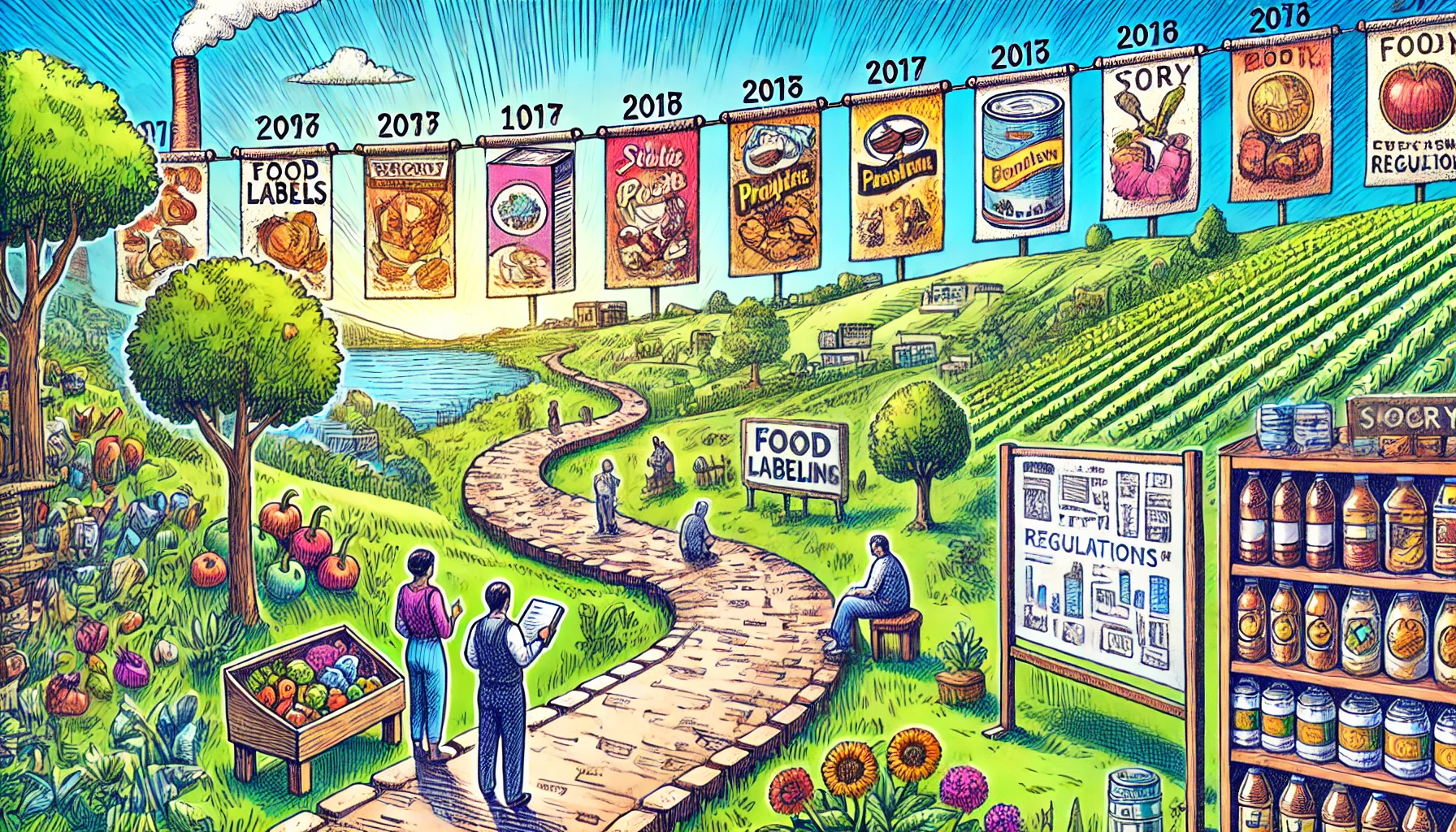
Food labeling regulations have evolved significantly over the years to provide consumers with clearer and more comprehensive information about the foods they consume. These regulations are essential for ensuring food safety, promoting informed dietary choices, and protecting public health. This guide explores the history, key milestones, and current trends in food labeling regulations.
Food labels offer vital information on nutritional content, ingredients, allergens, and health claims, helping consumers make informed decisions. The evolution of these regulations reflects changes in public health priorities, scientific understanding, and consumer demand for transparency.
1. Early Food Labeling Efforts
- Pure Food and Drug Act of 1906: The first major federal law in the United States aimed at regulating food and drug labeling. It prohibited the sale of misbranded and adulterated food products.
- Focus on Adulteration: Initial efforts were primarily concerned with preventing adulteration and ensuring food purity.
- Lack of Nutritional Information: Early labels did not include nutritional information, focusing instead on basic product identification and ingredient lists.
- Consumer Protection: These regulations laid the foundation for future food safety and labeling laws, establishing the principle of consumer protection.
2. The Food, Drug, and Cosmetic Act of 1938
- Comprehensive Regulation: This act expanded the federal government’s role in regulating food labeling, including cosmetics and medical devices.
- Mandatory Labeling: Required labels to list all ingredients and established standards for food identity, quality, and fill-of-container.
- Safety Standards: Introduced safety standards for food additives and required pre-market approval for new additives.
- Enforcement Powers: Gave the FDA greater enforcement powers to ensure compliance with labeling regulations.
- Consumer Confidence: Improved consumer confidence in the safety and integrity of food products.
3. Introduction of Nutrition Labeling in the 1970s
- Voluntary Nutrition Labeling: In the 1970s, the FDA introduced voluntary nutrition labeling guidelines to help consumers make healthier choices.
- Increased Awareness: Growing public awareness of diet-related health issues such as heart disease and obesity drove demand for nutritional information.
- Nutrition Information: Labels began to include basic nutritional information such as calories, protein, fat, and carbohydrates.
- Dietary Guidelines: The introduction of Dietary Guidelines for Americans in 1980 further emphasized the importance of nutrition labeling.
- Industry Adoption: Many food manufacturers adopted these guidelines voluntarily, paving the way for mandatory labeling.
4. The Nutrition Labeling and Education Act (NLEA) of 1990
- Mandatory Nutrition Labeling: The NLEA made nutrition labeling mandatory for most packaged foods in the United States.
- Standardized Format: Established a standardized format for nutrition labels, making it easier for consumers to compare products.
- Serving Sizes: Required serving sizes to be based on standardized reference amounts.
- Nutrient Content Claims: Regulated nutrient content claims such as “low fat” and “high fiber” to ensure they were not misleading.
- Health Claims: Allowed for health claims on labels, provided they were supported by scientific evidence and approved by the FDA.
5. The Food Allergen Labeling and Consumer Protection Act (FALCPA) of 2004
- Allergen Disclosure: Required labels to clearly disclose the presence of the eight major food allergens: milk, eggs, fish, shellfish, tree nuts, peanuts, wheat, and soybeans.
- Plain Language: Mandated the use of plain language for allergen disclosures to improve consumer understanding.
- Cross-Contamination: Encouraged manufacturers to use precautionary labeling for potential cross-contamination.
- Consumer Safety: Aimed to protect individuals with food allergies from accidental exposure to allergens.
- Industry Impact: Prompted the food industry to improve allergen management practices.
6. Updates to the Nutrition Facts Label in 2016
- Added Sugars: Required the inclusion of added sugars on the Nutrition Facts label to help consumers reduce their intake of empty calories.
- Serving Sizes: Updated serving sizes to reflect actual consumption patterns and more accurately represent typical portions.
- Dual Column Labels: Introduced dual column labels for larger packages that can be consumed in one or multiple sittings, showing nutritional information per serving and per package.
- Nutrient Revisions: Updated the list of required nutrients to include Vitamin D and potassium, reflecting current public health concerns.
- Caloric Emphasis: Increased the prominence of calorie information to assist with weight management.
7. The Role of International Food Labeling Standards
- Codex Alimentarius: Developed by the FAO and WHO, the Codex Alimentarius sets international food standards, guidelines, and codes of practice.
- Harmonization: Aims to harmonize food labeling regulations across countries to facilitate international trade and ensure food safety.
- Global Impact: Many countries base their national food labeling regulations on Codex standards.
- Consumer Protection: Promotes global consumer protection by ensuring consistent and accurate labeling practices.
- Trade Facilitation: Eases trade barriers by providing a common framework for food labeling.
8. Emerging Trends in Food Labeling
- Front-of-Pack Labeling: Simplified labeling systems, such as traffic light labels and health star ratings, provide at-a-glance nutritional information.
- Sustainability Claims: Increasing demand for information on environmental impact, leading to labels that highlight sustainable practices and carbon footprints.
- Technology Integration: Use of QR codes and digital labels to provide additional information, such as sourcing, manufacturing practices, and nutritional details.
- Clean Label Movement: Consumer preference for products with simple, recognizable ingredients, leading to “clean labels” that emphasize natural and minimally processed components.
- Transparency: Growing emphasis on transparency, with consumers seeking detailed information about the origin and production of their food.
9. Regulatory Challenges and Future Directions
- Misleading Claims: Addressing misleading claims and ensuring that health and nutrient content claims are scientifically substantiated.
- Global Harmonization: Continuing efforts to harmonize food labeling regulations internationally to facilitate trade and protect consumers.
- Evolving Science: Adapting regulations to reflect the latest scientific research on nutrition and health.
- Consumer Education: Enhancing consumer education on how to read and interpret food labels to make informed dietary choices.
- Technology Adoption: Integrating new technologies to provide comprehensive and accessible information to consumers.
10. The Impact of Food Labeling on Public Health
- Informed Choices: Enables consumers to make informed dietary choices, contributing to better health outcomes.
- Nutritional Awareness: Increases awareness of nutritional content and encourages healthier eating habits.
- Chronic Disease Prevention: Helps reduce the incidence of diet-related chronic diseases such as obesity, diabetes, and heart disease.
- Behavioral Change: Influences consumer behavior by promoting transparency and accountability in the food industry.
- Policy Development: Guides policy development and public health initiatives aimed at improving the nutritional quality of the food supply.
The evolution of food labeling regulations has significantly impacted consumer choices, public health, and the food industry. From the early days of preventing adulteration to the current emphasis on transparency and detailed nutritional information, these regulations have continually adapted to meet the needs of consumers and address public health concerns.
By understanding the history and current trends in food labeling, consumers can better navigate food choices and make informed decisions that support their health and well-being. The ongoing development of food labeling regulations promises to further enhance transparency, safety, and nutrition in the global food supply.