
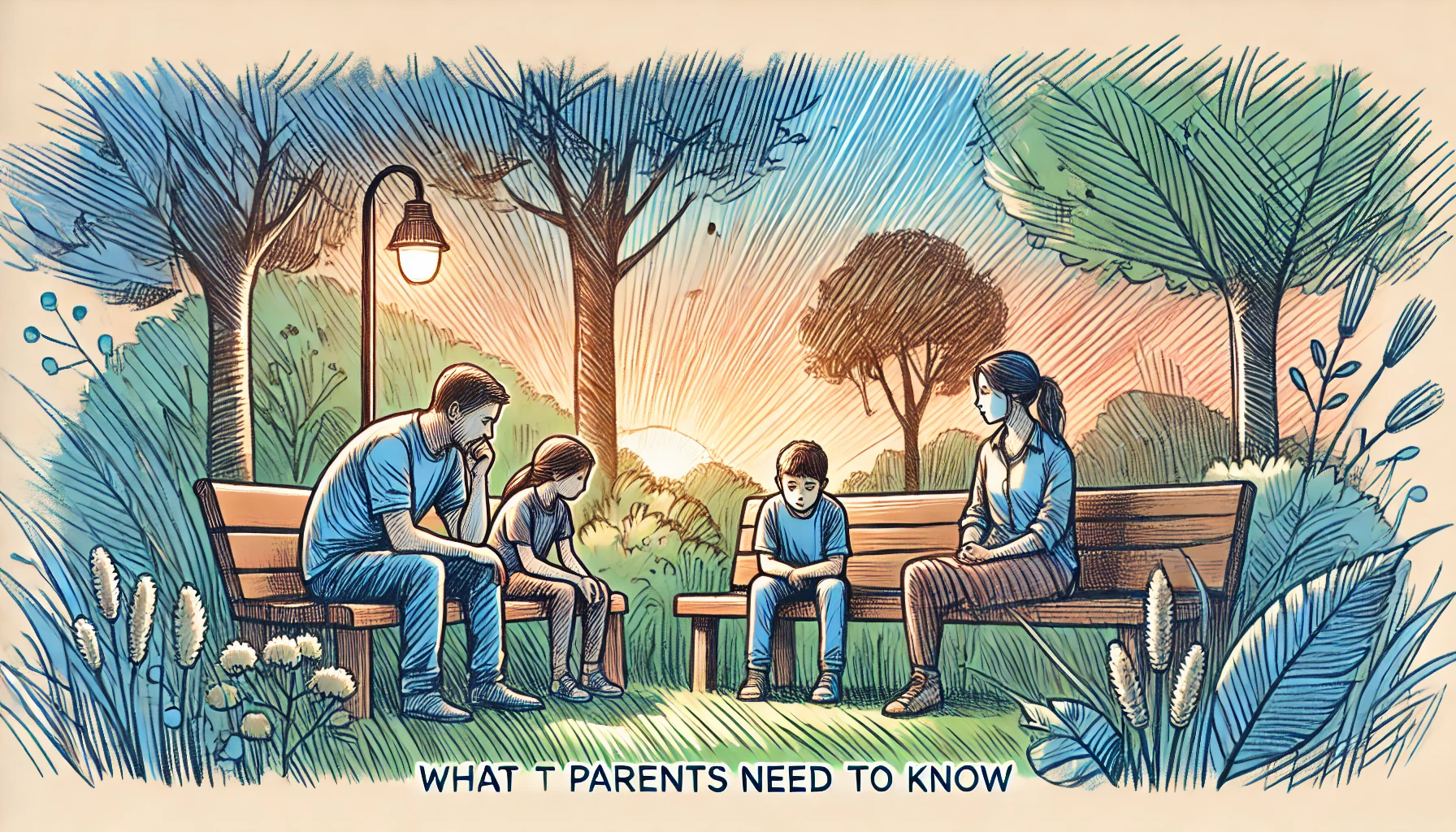
Divorce is often a turbulent and emotional process, and children are particularly vulnerable to the psychological and emotional challenges that come with it. The separation of their parents can lead to feelings of confusion, sadness, anger, and insecurity. Understanding the emotional impact of divorce on children is crucial for parents who want to support their children through this difficult transition. By being aware of the potential emotional challenges, parents can better address their children’s needs and help them navigate the complexities of a changing family dynamic. In this blog, we will explore the emotional effects of divorce on children and provide parents with essential information on how to support their children during this time.
Every child reacts differently to divorce, and their emotional responses can vary based on age, temperament, and the circumstances surrounding the divorce. Some children may internalize their feelings, becoming withdrawn or depressed, while others may act out in anger or frustration. The way parents handle the divorce can significantly influence their children’s emotional well-being. Providing a supportive environment, maintaining open communication, and being attentive to their emotional needs are all critical in helping children adjust. Below are ten key points that outline the emotional impact of divorce on children and what parents need to know to help their children cope.
1. Feelings of Loss and Grief
- Children often experience a sense of loss when their parents divorce, mourning the end of the family unit they once knew.
- They may grieve the loss of stability, routine, and the daily presence of both parents in their lives.
- The sense of loss can manifest in sadness, withdrawal, or even depression, as children try to come to terms with the changes.
- Young children may struggle with the concept of permanence, hoping for their parents to reunite, which can prolong their grief.
- Adolescents may feel a deeper sense of loss as they better understand the long-term implications of the divorce on their family dynamics.
2. Anxiety and Insecurity
- Divorce can create feelings of anxiety in children, as they worry about what the future holds for them and their family.
- Children may become insecure about their relationships with their parents, fearing that they could lose the love or attention of one or both parents.
- Changes in living arrangements, schools, or routines can heighten anxiety, as children struggle to adapt to a new normal.
- Younger children may experience separation anxiety, becoming overly clingy or fearful when apart from their parents.
- Teens may worry about their own future relationships, questioning whether they will be able to maintain stable relationships like those they once imagined their parents had.
3. Anger and Blame
- It is common for children to feel anger during a divorce, directed either at their parents or at the situation itself.
- Some children may blame one parent for the divorce, especially if they perceive that parent as the cause of the separation.
- Anger can manifest in behavioral issues, such as acting out at home or school, or becoming more defiant and rebellious.
- Children may also experience guilt, blaming themselves for the divorce, which can exacerbate their anger and frustration.
- It’s important for parents to address these feelings of anger and blame, helping children understand that the divorce is not their fault.
4. Guilt and Self-Blame
- Many children internalize the divorce, believing that their actions or behavior may have caused their parents to separate.
- Guilt can lead to feelings of low self-esteem and self-worth, as children struggle to understand their role in the family dynamic.
- Some children may go to great lengths to “fix” the situation, believing that if they behave differently, their parents will reconcile.
- This guilt can also manifest as a desire to take on adult responsibilities, with children trying to become the peacemakers or caretakers in the family.
- Parents need to reassure their children that the divorce is not their fault and that nothing they did caused the separation.
5. Confusion and Uncertainty
- Divorce can leave children feeling confused about their future, particularly regarding living arrangements, schooling, and time spent with each parent.
- Younger children may not fully understand why the divorce is happening, leading to confusion about the changes in their family.
- The uncertainty surrounding the divorce can create a sense of instability, making it harder for children to feel secure.
- Adolescents, who are more aware of the complexities of relationships, may feel conflicted about their loyalties to each parent.
- Providing clear and consistent information about what to expect can help alleviate some of this confusion and uncertainty.
6. Changes in Behavior
- The emotional stress of divorce can lead to noticeable changes in a child’s behavior, including withdrawal, aggression, or regression.
- Some children may revert to younger behaviors, such as bed-wetting or needing comfort items, as a way to cope with their emotions.
- Others may become more aggressive or defiant, acting out their frustration and anger in disruptive ways.
- School performance may decline as children struggle to concentrate or lose interest in their studies due to emotional turmoil.
- It’s important for parents to recognize these behavioral changes as signs of distress and address them with empathy and support.
7. Difficulty Trusting Others
- The breakdown of their parents’ marriage can make it difficult for children to trust others, particularly in forming close relationships.
- Children may fear that other relationships in their lives will also end in disappointment or abandonment.
- This mistrust can extend to friendships, making it harder for children to form or maintain close bonds with peers.
- Adolescents may develop a cynical view of romantic relationships, doubting their own ability to maintain long-term partnerships.
- Parents can help rebuild trust by being reliable, consistent, and demonstrating that healthy, supportive relationships are possible.
8. Impact on Academic Performance
- The emotional stress of divorce often affects a child’s academic performance, leading to a decline in grades or participation.
- Children may find it difficult to concentrate on their studies, as their minds are preoccupied with the changes at home.
- Some children may develop anxiety around school, particularly if they are also dealing with changes in their living situation or a new school environment.
- Academic struggles can further impact a child’s self-esteem, as they may feel incapable of meeting expectations during a challenging time.
- Parents should communicate with teachers to monitor their child’s academic progress and seek additional support if needed.
9. Social Withdrawal
- The emotional impact of divorce can lead to social withdrawal, with children becoming more isolated from friends and family.
- They may feel embarrassed or ashamed about the divorce, leading them to avoid social interactions or hide their family situation from peers.
- Some children may fear that their friends will not understand or that they will be judged, leading to further withdrawal.
- Adolescents, in particular, may isolate themselves as they process their emotions privately, sometimes turning to negative coping mechanisms.
- Encouraging social activities and maintaining open communication can help children stay connected with their support networks.
10. Long-Term Emotional Effects
- The emotional impact of divorce can have long-lasting effects, influencing a child’s views on relationships, trust, and self-worth well into adulthood.
- Some children may carry unresolved feelings of anger, guilt, or sadness, which can affect their future relationships and mental health.
- Long-term effects may include difficulties in forming romantic relationships, as children of divorce may fear commitment or rejection.
- Early intervention and support can mitigate these long-term effects, helping children develop healthy coping mechanisms and resilience.
- Parents should continue to provide emotional support even after the immediate aftermath of the divorce, as the effects can surface later in life.
In conclusion, the emotional impact of divorce on children is profound and multifaceted, affecting every aspect of their lives from their sense of security to their social interactions. As parents, being attuned to these emotional challenges and providing a supportive and loving environment is crucial in helping children cope with the changes. By understanding and addressing the emotional needs of their children, parents can help them navigate the difficulties of divorce and emerge with resilience and strength. Remember, the way you handle the situation can significantly influence how your children process and cope with the divorce, making your support and guidance essential during this challenging time.