
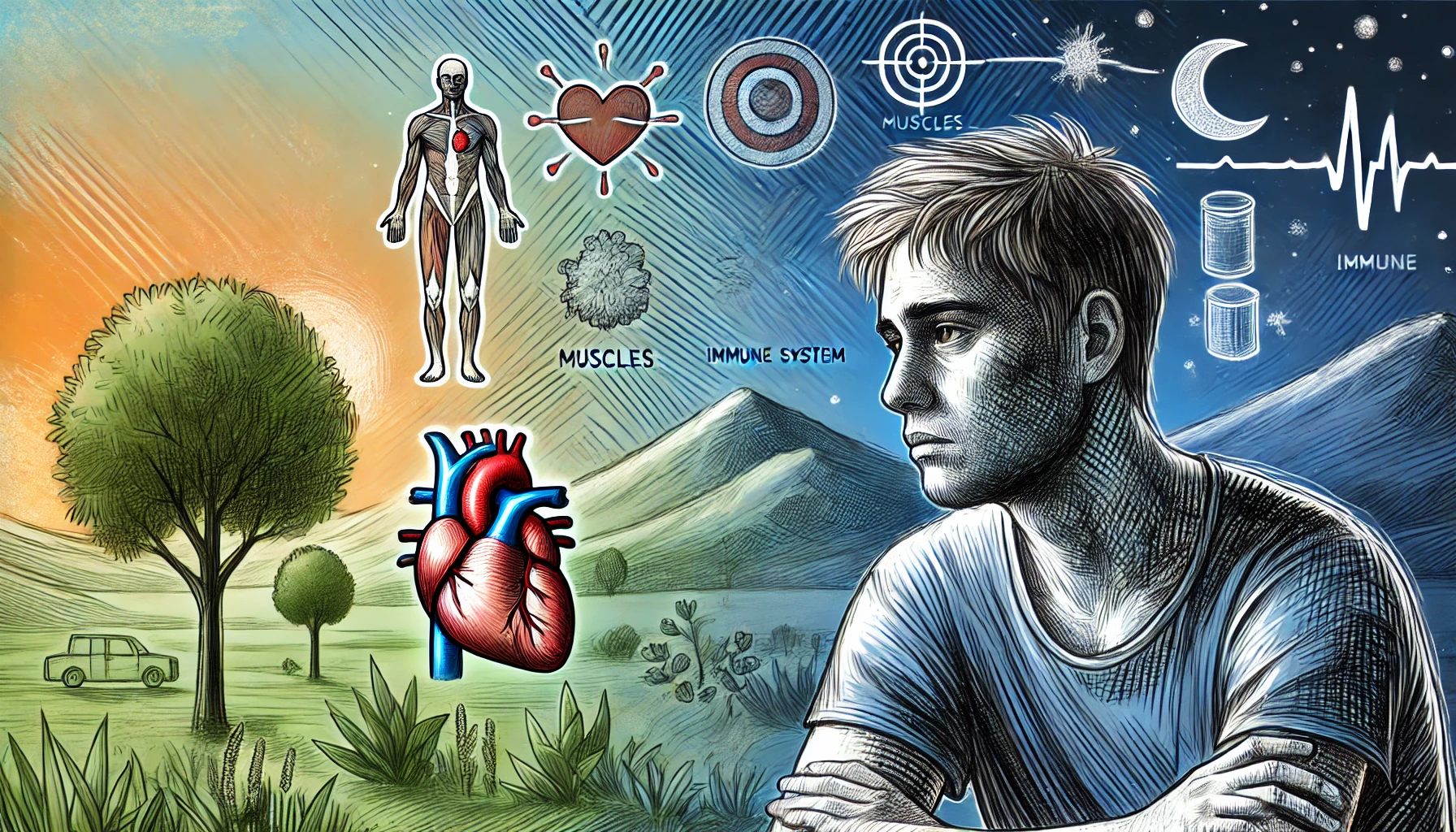
Sleep disorders can have significant impacts on physical health, leading to a variety of chronic conditions and overall decreased well-being. Understanding these effects is crucial for recognizing the importance of good sleep hygiene and seeking appropriate treatment for sleep disorders. This blog post will explore the various ways sleep disorders affect physical health, highlighting the importance of addressing sleep issues to maintain optimal health.
1. Cardiovascular Health
- Increased Risk of Heart Disease: Sleep disorders, particularly sleep apnea, are associated with an increased risk of cardiovascular diseases, including hypertension, coronary artery disease, and heart attacks. Repeated interruptions in breathing during sleep can lead to elevated blood pressure and strain on the heart.
- Stroke: Poor sleep quality and sleep disorders such as sleep apnea increase the risk of stroke. The intermittent drops in oxygen levels can contribute to vascular problems and increase the likelihood of a stroke.
- Arrhythmias: Irregular heartbeats or arrhythmias are more common in individuals with sleep disorders, particularly sleep apnea, due to the stress placed on the cardiovascular system.
2. Metabolic Health
- Weight Gain and Obesity: Insufficient sleep and sleep disorders can lead to weight gain and obesity. Disruptions in sleep can alter the hormones that regulate hunger, leading to increased appetite and cravings for high-calorie foods.
- Diabetes: Sleep disorders are linked to an increased risk of developing type 2 diabetes. Poor sleep can affect insulin sensitivity and glucose metabolism, contributing to higher blood sugar levels.
- Metabolic Syndrome: A combination of factors including hypertension, high blood sugar, excess body fat around the waist, and abnormal cholesterol levels, metabolic syndrome is more likely in individuals with sleep disorders.
3. Immune Function
- Weakened Immune System: Chronic sleep deprivation and sleep disorders can weaken the immune system, making it more difficult to fight off infections and illnesses. Sleep is essential for the production of cytokines, proteins that help the immune system respond to infections.
- Increased Inflammation: Poor sleep can lead to chronic inflammation, which is linked to various health problems, including heart disease, diabetes, and autoimmune disorders.
4. Endocrine Function
- Hormonal Imbalance: Sleep disorders can disrupt the balance of hormones in the body, including those that regulate growth, stress, and metabolism. This can lead to various health issues, such as growth deficiencies in children and increased stress levels.
- Thyroid Function: Disrupted sleep can affect thyroid function, leading to an imbalance in thyroid hormones, which are crucial for regulating metabolism and energy levels.
5. Respiratory Health
- Asthma and COPD: Sleep disorders can exacerbate symptoms of respiratory conditions such as asthma and chronic obstructive pulmonary disease (COPD). Poor sleep quality can lead to more frequent and severe respiratory symptoms.
- Respiratory Infections: A weakened immune system due to poor sleep can increase the susceptibility to respiratory infections, including the common cold and flu.
6. Digestive Health
- Gastroesophageal Reflux Disease (GERD): Sleep disorders can worsen symptoms of GERD, as lying down can make it easier for stomach acid to back up into the esophagus. This can lead to discomfort and disrupted sleep.
- Irritable Bowel Syndrome (IBS): Poor sleep quality can exacerbate symptoms of IBS, leading to increased abdominal pain, bloating, and altered bowel habits.
7. Musculoskeletal Health
- Chronic Pain: Sleep disorders can lower pain tolerance and increase sensitivity to pain, exacerbating conditions such as arthritis and fibromyalgia. Poor sleep quality can lead to a vicious cycle of pain and disrupted sleep.
- Back and Neck Pain: Poor sleep posture and an uncomfortable sleep environment can contribute to back and neck pain, affecting overall physical health and mobility.
8. Neurological Health
- Cognitive Impairment: Sleep disorders can lead to cognitive impairments, including difficulties with concentration, memory, and decision-making. Chronic sleep deprivation can affect brain function and increase the risk of neurodegenerative diseases such as Alzheimer’s.
- Headaches and Migraines: Poor sleep quality is a common trigger for headaches and migraines. Sleep disorders can lead to more frequent and severe headache episodes.
9. Longevity
- Increased Mortality Risk: Chronic sleep disorders are associated with an increased risk of premature death. The cumulative impact of sleep disorders on various aspects of physical health can significantly reduce life expectancy.
Strategies for Managing Sleep Disorders to Improve Physical Health
1. Maintain Good Sleep Hygiene
- Consistent Schedule: Go to bed and wake up at the same times every day, even on weekends, to regulate your body’s internal clock.
- Sleep Environment: Create a comfortable sleep environment by keeping your bedroom dark, quiet, and cool. Invest in a comfortable mattress and pillows.
- Pre-Sleep Routine: Establish a relaxing pre-sleep routine that includes activities such as reading, taking a warm bath, or practicing relaxation techniques.
2. Address Underlying Health Conditions
- Medical Evaluation: Consult a healthcare provider to evaluate and treat any underlying health conditions that may be contributing to sleep disorders.
- Regular Check-Ups: Regular health check-ups can help identify and manage conditions that affect sleep, such as diabetes, hypertension, and respiratory disorders.
3. Lifestyle Modifications
- Diet and Exercise: Maintain a balanced diet and engage in regular physical activity to support overall health and improve sleep quality. Avoid heavy meals, caffeine, and alcohol close to bedtime.
- Stress Management: Practice stress management techniques such as yoga, meditation, or deep breathing exercises to reduce stress and promote relaxation.
4. Behavioral Therapies
- Cognitive Behavioral Therapy for Insomnia (CBT-I): CBT-I is an effective treatment for insomnia that focuses on changing negative thoughts and behaviors related to sleep.
- Sleep Restriction and Stimulus Control: Techniques such as sleep restriction (limiting time in bed to improve sleep efficiency) and stimulus control (associating the bed with sleep and sex only) can help improve sleep quality.
5. Medical Treatments
- Medications: In some cases, medications may be prescribed to manage sleep disorders. Always follow your healthcare provider’s guidance.
- Continuous Positive Airway Pressure (CPAP): For individuals with sleep apnea, CPAP therapy can help maintain open airways during sleep, reducing symptoms and improving sleep quality.
Conclusion
Sleep disorders can have profound effects on physical health, contributing to a range of chronic conditions and decreasing overall well-being. By understanding the impact of sleep disorders and implementing strategies to improve sleep quality, individuals can enhance their physical health and quality of life. Maintaining good sleep hygiene, addressing underlying health conditions, making lifestyle modifications, and seeking appropriate medical treatments are crucial steps in managing sleep disorders and promoting better health.