
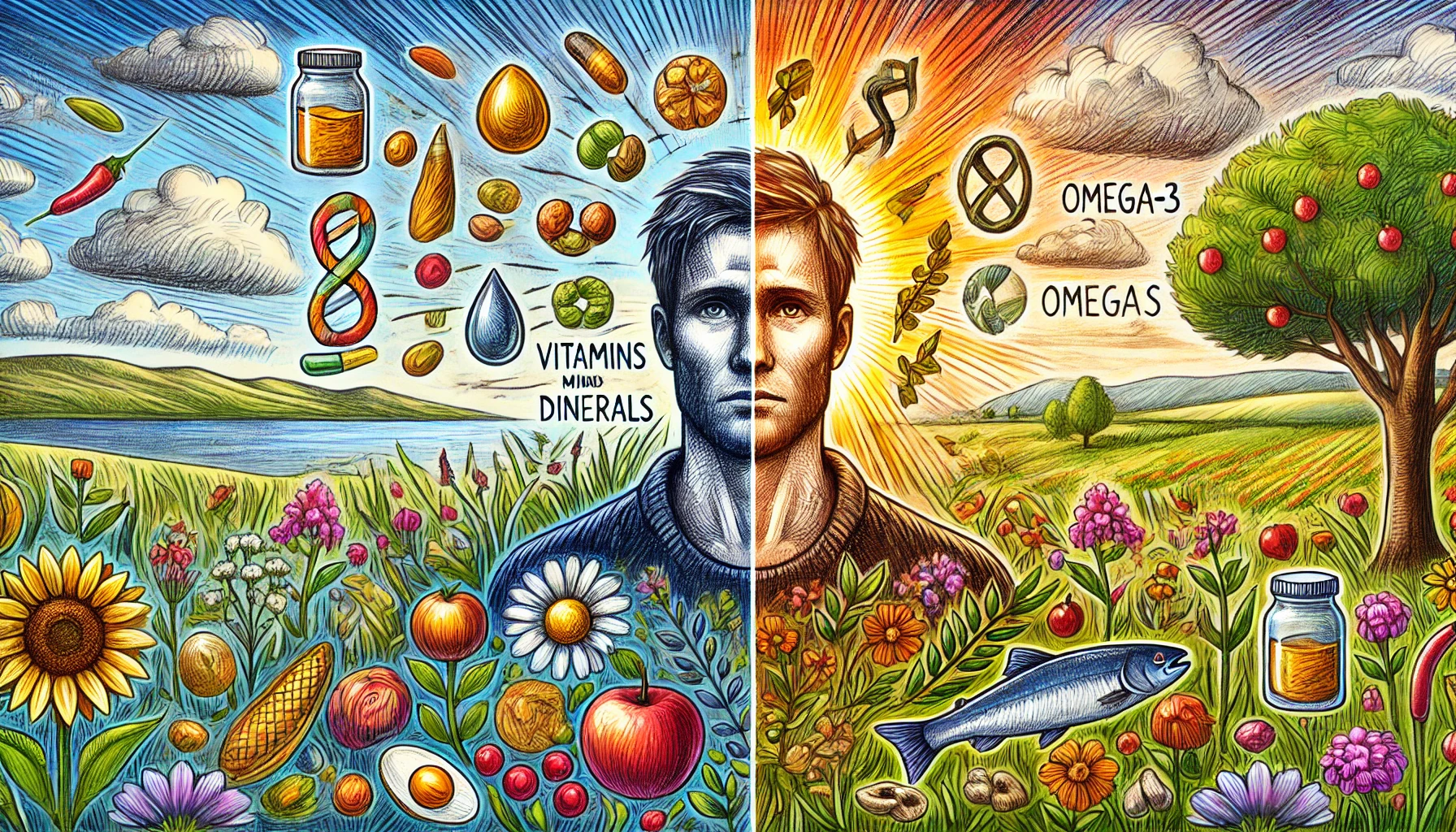
Nutritional deficiencies can profoundly impact mental health, influencing mood, cognitive function, and overall psychological well-being. The brain requires a variety of nutrients to function optimally, and inadequate intake of these essential nutrients can lead to mental health issues such as depression, anxiety, cognitive decline, and other mood disorders. Understanding the connection between nutritional deficiencies and mental health is crucial for preventing and managing these conditions through diet and supplementation.
While mental health is influenced by a combination of genetic, environmental, and lifestyle factors, nutrition plays a significant role in supporting brain health and emotional balance. This blog explores common nutritional deficiencies, their symptoms, and their specific impact on mental health.
1. Vitamin D Deficiency
- Symptoms:
- Depression
- Fatigue and tiredness
- Anxiety
- Impaired cognitive function
- Mental Health Connection:
- Depression: Low levels of vitamin D are associated with an increased risk of depression. Vitamin D receptors in the brain play a role in mood regulation.
- Seasonal Affective Disorder (SAD): Vitamin D deficiency, due to reduced sunlight exposure in winter, is linked to SAD, a type of depression that occurs at a specific time of year.
- Sources: Sunlight exposure, fortified dairy products, fatty fish, fortified plant-based milks, and supplements.
- Prevention: Ensure adequate sun exposure, include vitamin D-rich foods in the diet, and consider supplements if necessary.
2. Omega-3 Fatty Acid Deficiency
- Symptoms:
- Depression and mood swings
- Cognitive decline
- Anxiety
- Poor memory
- Mental Health Connection:
- Depression and Anxiety: Omega-3 fatty acids, particularly EPA and DHA, are crucial for brain function and have anti-inflammatory effects. Low levels are linked to increased risk of depression and anxiety.
- Cognitive Function: Adequate omega-3 intake supports cognitive health and may protect against age-related cognitive decline and neurodegenerative diseases.
- Sources: Fatty fish (salmon, mackerel), flaxseeds, chia seeds, walnuts, and algal oil supplements.
- Prevention: Include omega-3-rich foods in the diet and consider supplements if dietary intake is insufficient.
3. Vitamin B12 Deficiency
- Symptoms:
- Fatigue and weakness
- Memory loss
- Depression
- Cognitive disturbances
- Mental Health Connection:
- Depression: Vitamin B12 is essential for brain health, and deficiency can lead to depressive symptoms due to its role in neurotransmitter production and myelin formation.
- Cognitive Decline: Low B12 levels are associated with memory problems and increased risk of cognitive decline and dementia.
- Sources: Meat, poultry, fish, dairy products, eggs, fortified cereals, and supplements.
- Prevention: Regular intake of B12-rich foods, particularly for vegans and older adults, and consider supplements if necessary.
4. Folate (Vitamin B9) Deficiency
- Symptoms:
- Fatigue
- Depression
- Cognitive impairment
- Irritability
- Mental Health Connection:
- Depression: Folate is involved in the synthesis of neurotransmitters such as serotonin and dopamine, which regulate mood. Deficiency is linked to an increased risk of depression.
- Cognitive Function: Adequate folate levels are essential for cognitive health, and deficiency can impair cognitive function and increase the risk of dementia.
- Sources: Leafy green vegetables, legumes, fortified cereals, nuts, and seeds.
- Prevention: Ensure a diet rich in folate-containing foods and consider supplements, especially during pregnancy.
5. Iron Deficiency
- Symptoms:
- Fatigue and weakness
- Cognitive impairment
- Depression
- Irritability
- Mental Health Connection:
- Cognitive Function: Iron is essential for oxygen transport in the blood and energy production. Deficiency can impair cognitive function and lead to problems with concentration and memory.
- Mood Disorders: Iron deficiency is linked to fatigue and depressive symptoms due to its role in neurotransmitter production and brain function.
- Sources: Red meat, poultry, fish, legumes, spinach, fortified cereals.
- Prevention: Include iron-rich foods in the diet, enhance absorption with vitamin C, and consider supplements if necessary.
6. Magnesium Deficiency
- Symptoms:
- Anxiety
- Depression
- Irritability
- Insomnia
- Mental Health Connection:
- Anxiety and Depression: Magnesium plays a crucial role in brain function and mood regulation. Deficiency is linked to increased risk of anxiety and depression.
- Sleep Disorders: Adequate magnesium levels are important for sleep regulation, and deficiency can lead to insomnia and poor sleep quality, which further affects mental health.
- Sources: Nuts, seeds, whole grains, leafy green vegetables, dark chocolate.
- Prevention: Include a variety of magnesium-rich foods in the diet and consider supplements if needed.
7. Zinc Deficiency
- Symptoms:
- Depression
- Cognitive decline
- Poor concentration
- Irritability
- Mental Health Connection:
- Depression: Zinc is involved in neurotransmitter function and brain signaling. Deficiency is linked to depressive symptoms and poor response to antidepressants.
- Cognitive Function: Adequate zinc levels support cognitive health and may protect against cognitive decline.
- Sources: Meat, shellfish, legumes, seeds, nuts, dairy products.
- Prevention: Include a variety of zinc-rich foods in the diet and consider supplements during periods of increased need.
8. Selenium Deficiency
- Symptoms:
- Mood swings
- Depression
- Cognitive impairment
- Anxiety
- Mental Health Connection:
- Mood Disorders: Selenium is an antioxidant that protects the brain from oxidative damage. Deficiency is linked to mood disorders such as depression and anxiety.
- Cognitive Function: Adequate selenium levels are important for cognitive health, and deficiency can impair cognitive function.
- Sources: Brazil nuts, sunflower seeds, brown rice, whole wheat bread.
- Prevention: Include selenium-rich foods in the diet and monitor intake to avoid both deficiency and toxicity.
9. Iodine Deficiency
- Symptoms:
- Fatigue
- Depression
- Cognitive decline
- Weight gain
- Mental Health Connection:
- Thyroid Function: Iodine is essential for thyroid hormone production, which regulates metabolism and brain function. Deficiency can lead to hypothyroidism, causing fatigue, depression, and cognitive impairment.
- Developmental Issues: In children, iodine deficiency can result in intellectual disabilities and developmental delays.
- Sources: Iodized salt, seaweed, fish, dairy products, eggs.
- Prevention: Use iodized salt in cooking and ensure dietary intake includes iodine-rich foods.
10. Vitamin A Deficiency
- Symptoms:
- Night blindness
- Dry skin
- Increased susceptibility to infections
- Mental Health Connection:
- Immune Function: Vitamin A supports immune health, and deficiency can increase susceptibility to infections, which can indirectly affect mental health.
- Vision and Cognitive Function: Adequate vitamin A levels are important for vision and cognitive health. Deficiency can impair these functions, contributing to mental health issues.
- Sources: Carrots, sweet potatoes, spinach, dairy products, liver, fortified foods.
- Prevention: Include both animal and plant sources of vitamin A in the diet and consider supplements in areas with high deficiency rates.
Practical Steps to Prevent Nutritional Deficiencies
- Balanced Diet: Ensure a varied and balanced diet that includes a wide range of nutrient-dense foods.
- Regular Monitoring: Have regular health check-ups and blood tests to monitor nutrient levels and address deficiencies early.
- Supplementation: Consider supplements for nutrients that are difficult to obtain from diet alone, after consulting with a healthcare provider.
- Education: Educate yourself and your family about the importance of nutrition for mental health.
- Professional Guidance: Work with a nutritionist or dietitian to develop a personalized nutrition plan tailored to your specific needs.
In conclusion, nutritional deficiencies can significantly impact mental health, contributing to mood disorders, cognitive decline, and other psychological issues. By understanding the role of essential nutrients and ensuring adequate intake through a balanced diet and appropriate supplementation, individuals can support their mental well-being and prevent deficiencies. Regular monitoring and professional guidance can further help maintain optimal mental health and overall well-being.