
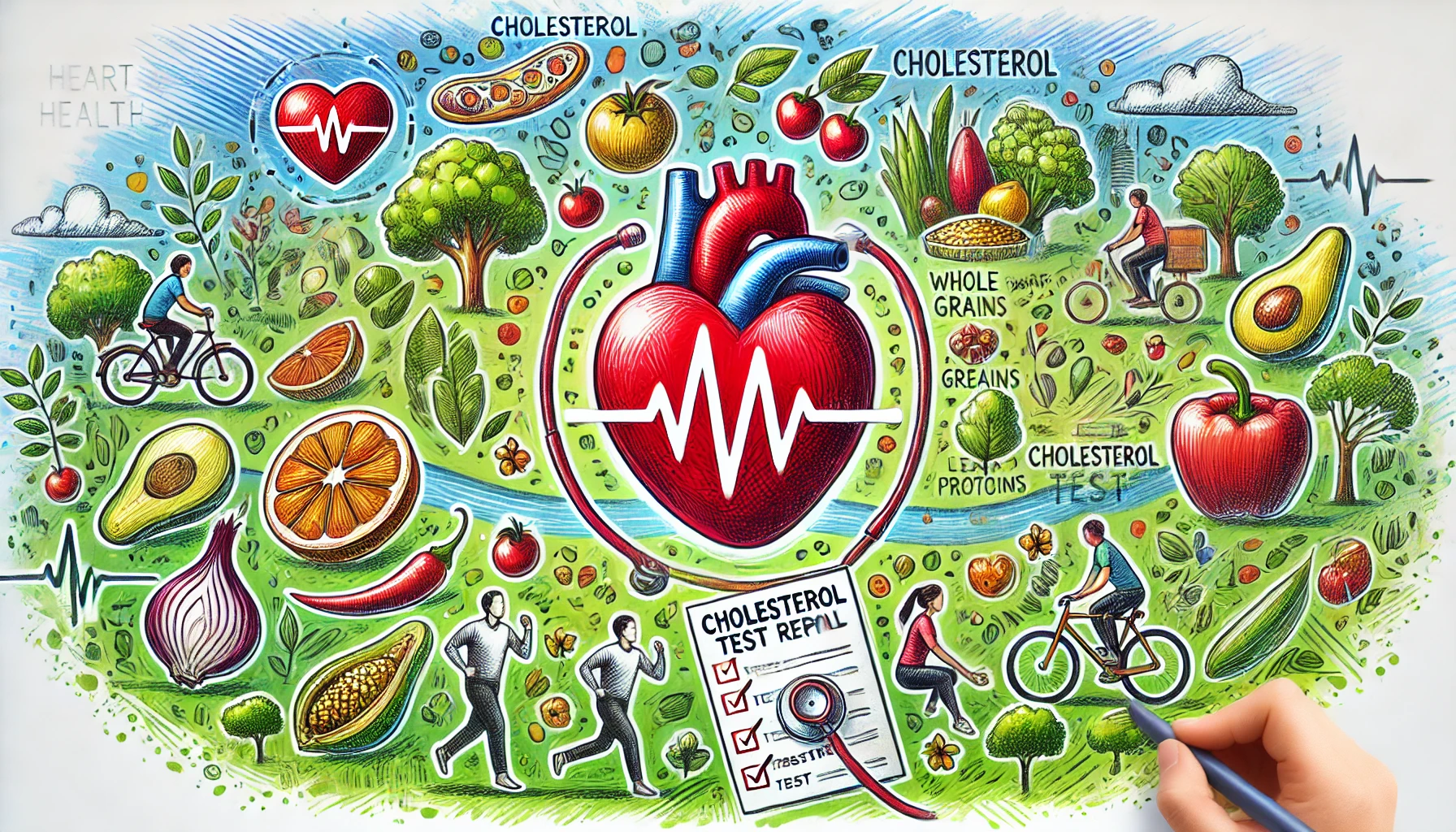
Cholesterol plays a crucial role in your body, but imbalances can significantly impact heart health. Understanding the connection between cholesterol and heart health is essential for managing your cardiovascular risk and ensuring overall well-being. This guide will delve into the relationship between cholesterol levels and heart health, exploring key concepts, potential risks, and practical tips for maintaining a healthy heart.
1. What is Cholesterol?
- Definition: Cholesterol is a waxy, fat-like substance found in all cells of the body. It is essential for producing hormones, vitamin D, and substances that help digest food.
- Sources: Cholesterol comes from two main sources: your body (produced by the liver) and your diet (found in animal-based foods such as meat, dairy products, and eggs).
- Types of Cholesterol: There are two main types of cholesterol: low-density lipoprotein (LDL) and high-density lipoprotein (HDL).
2. LDL Cholesterol: The Bad Cholesterol
- Function: LDL cholesterol carries cholesterol from the liver to the rest of the body. High levels can lead to cholesterol buildup in the arteries.
- Risks: Elevated LDL levels increase the risk of atherosclerosis, a condition where cholesterol deposits form plaque on the artery walls, narrowing them and restricting blood flow.
- Optimal Levels: Ideally, LDL cholesterol should be less than 100 mg/dL. Levels of 130-159 mg/dL are considered borderline high, and 160 mg/dL or above is high.
- Management: Reducing saturated fats, avoiding trans fats, eating fiber-rich foods, and taking prescribed medications can help lower LDL levels.
3. HDL Cholesterol: The Good Cholesterol
- Function: HDL cholesterol helps remove excess cholesterol from the bloodstream, transporting it back to the liver for excretion.
- Benefits: High levels of HDL cholesterol are associated with a lower risk of heart disease and stroke because it helps clear cholesterol from arteries.
- Optimal Levels: A healthy HDL level is 60 mg/dL or higher. Levels below 40 mg/dL for men and below 50 mg/dL for women are considered low.
- Boosting HDL: Regular physical activity, consuming healthy fats, quitting smoking, and moderate alcohol consumption can help raise HDL levels.
4. The Role of Triglycerides
- Definition: Triglycerides are a type of fat found in the blood. High levels can contribute to the hardening of arteries or thickening of the artery walls.
- Risks: High triglycerides often accompany high LDL and low HDL levels, increasing the risk of heart disease.
- Optimal Levels: A healthy triglyceride level is below 150 mg/dL.
- Management: Reducing sugar and refined carbohydrate intake, losing weight, and exercising regularly can help lower triglyceride levels.
5. How Cholesterol Affects Heart Health
- Atherosclerosis: High levels of LDL cholesterol can lead to plaque buildup in the arteries, causing atherosclerosis. This condition narrows and hardens the arteries, reducing blood flow and increasing the risk of heart attack and stroke.
- Inflammation: Cholesterol deposits can cause inflammation in the arteries, further increasing the risk of cardiovascular events.
- Blood Clots: Plaque buildup can rupture, leading to blood clots that can block arteries and cause heart attacks or strokes.
- Heart Disease: Consistently high cholesterol levels are a significant risk factor for developing coronary artery disease, leading to heart attacks and other cardiovascular complications.
6. Lifestyle Changes to Manage Cholesterol
- Healthy Diet: Follow a heart-healthy diet rich in fruits, vegetables, whole grains, lean proteins, and healthy fats. Avoid saturated and trans fats.
- Regular Exercise: Engage in at least 150 minutes of moderate-intensity aerobic exercise or 75 minutes of vigorous-intensity exercise each week.
- Weight Management: Maintain a healthy weight to reduce the strain on your heart and improve cholesterol levels.
- Quit Smoking: Smoking lowers HDL cholesterol and increases LDL cholesterol. Quitting smoking can improve your cholesterol profile and overall heart health.
- Limit Alcohol: Consume alcohol in moderation—up to one drink per day for women and two drinks per day for men.
7. Medications for Cholesterol Management
- Statins: Statins are the most commonly prescribed medications for lowering LDL cholesterol. They work by inhibiting an enzyme needed for cholesterol production in the liver.
- Bile Acid Sequestrants: These medications help remove cholesterol from the body by binding to bile acids in the intestines.
- Cholesterol Absorption Inhibitors: These drugs reduce the amount of cholesterol absorbed from the diet.
- PCSK9 Inhibitors: These injectable medications help the liver remove more LDL cholesterol from the blood.
- Fibrates: Fibrates primarily lower triglycerides and can increase HDL cholesterol.
8. Regular Monitoring and Check-Ups
- Lipid Panel: A blood test called a lipid panel measures total cholesterol, LDL, HDL, and triglycerides.
- Frequency: Adults should have their cholesterol levels checked every 4-6 years, but those with risk factors for heart disease may need more frequent testing.
- Doctor Visits: Regular check-ups with your healthcare provider are crucial for monitoring cholesterol levels and overall heart health.
- Adjustments: Based on your cholesterol levels, your doctor may adjust your treatment plan, including lifestyle changes and medications.
9. Understanding Genetic Factors
- Family History: Genetics can play a significant role in your cholesterol levels. A family history of high cholesterol or heart disease can increase your risk.
- Inherited Conditions: Conditions like familial hypercholesterolemia (FH) cause extremely high LDL levels and require specialized treatment.
- Genetic Testing: Genetic testing can identify inherited conditions that affect cholesterol metabolism.
- Management: Those with genetic predispositions may need more aggressive lifestyle changes and medication management.
10. Long-Term Commitment to Heart Health
- Consistency: Managing cholesterol and heart health requires a long-term commitment to healthy lifestyle habits and medication adherence.
- Education: Stay informed about new research and guidelines for cholesterol management and heart health.
- Support Systems: Join support groups or online communities for additional motivation and advice.
- Professional Guidance: Work closely with your healthcare provider to develop and maintain a personalized plan for managing cholesterol and protecting your heart.
Understanding the connection between cholesterol and heart health is essential for preventing cardiovascular diseases and maintaining overall well-being. By adopting healthy lifestyle changes, staying informed, and working with healthcare professionals, you can effectively manage your cholesterol levels and support your heart health for the long term.