
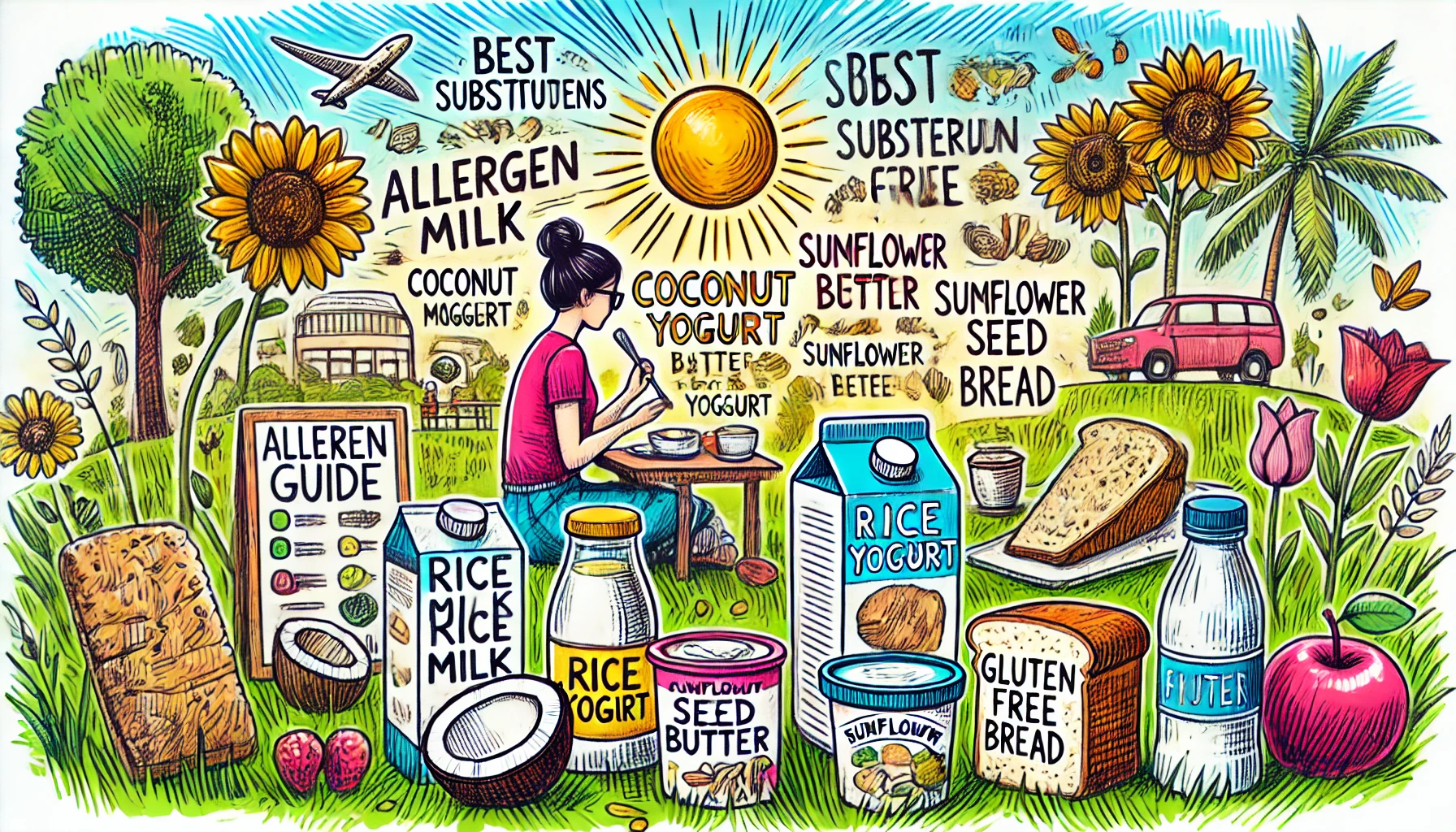
Food allergies can make meal planning and preparation challenging, but finding the right substitutes can ensure that meals remain nutritious and delicious. Whether you’re dealing with allergies to dairy, eggs, gluten, nuts, soy, or other common allergens, there are plenty of alternatives available that can accommodate these dietary restrictions. This comprehensive guide explores the best substitutes for common food allergens and provides practical tips for incorporating them into your diet.
Understanding how to effectively replace allergenic ingredients with safe alternatives is crucial for maintaining a balanced diet and avoiding adverse reactions. By familiarizing yourself with these substitutes, you can enjoy a wide variety of foods while managing your allergies. Let’s dive into the best substitutes for common food allergens and learn how to use them in everyday cooking and baking.
1. Dairy Substitutes
Plant-Based Milks
- Almond Milk: A popular dairy alternative that is low in calories and rich in vitamins D and E. Suitable for drinking, baking, and cooking.
- Soy Milk: High in protein and available in various flavors. Good for cooking, baking, and as a beverage.
- Oat Milk: Creamy and rich in fiber, oat milk works well in coffee, smoothies, and baking.
- Coconut Milk: Rich and creamy with a distinct flavor, ideal for curries, soups, and desserts.
- Rice Milk: Naturally sweet and hypoallergenic, suitable for those with multiple allergies.
Dairy-Free Cheeses
- Nutritional Yeast: Adds a cheesy flavor to dishes and is rich in B vitamins.
- Cashew Cheese: A creamy, dairy-free cheese made from blended cashews, suitable for spreads and sauces.
- Soy Cheese: Available in various forms and flavors, soy cheese can be used in place of regular cheese in many recipes.
- Almond Cheese: Made from almonds, this cheese is suitable for those who are lactose intolerant but not allergic to nuts.
Other Dairy Alternatives
- Coconut Yogurt: A dairy-free yogurt option made from coconut milk.
- Dairy-Free Butter: Plant-based butters made from oils like coconut, avocado, or olive oil.
- Coconut Cream: A rich and creamy alternative to heavy cream, perfect for desserts and sauces.
2. Egg Substitutes
Baking Substitutes
- Flaxseed Meal: Mix 1 tablespoon of flaxseed meal with 3 tablespoons of water to replace one egg.
- Chia Seeds: Mix 1 tablespoon of chia seeds with 3 tablespoons of water to replace one egg.
- Applesauce: Use 1/4 cup of unsweetened applesauce to replace one egg in baking recipes.
- Mashed Banana: Use 1/4 cup of mashed banana to replace one egg in sweet baked goods.
- Silken Tofu: Use 1/4 cup of pureed silken tofu to replace one egg in recipes requiring a denser texture.
Cooking Substitutes
- Tofu Scramble: Crumbled tofu cooked with spices and vegetables as an alternative to scrambled eggs.
- Chickpea Flour Omelet: A mixture of chickpea flour, water, and spices cooked like an omelet.
- Commercial Egg Replacers: Available in most grocery stores, these products are designed to mimic the properties of eggs in baking and cooking.
3. Gluten Substitutes
Gluten-Free Flours
- Almond Flour: Made from ground almonds, this flour is rich in protein and healthy fats.
- Coconut Flour: Made from dried coconut meat, it is high in fiber and has a mild coconut flavor.
- Rice Flour: A versatile gluten-free flour made from finely milled rice.
- Oat Flour: Made from ground oats, it adds a mild flavor and is suitable for baking.
- Quinoa Flour: Made from ground quinoa seeds, it is high in protein and nutrients.
Gluten-Free Grains
- Quinoa: A complete protein grain that can be used in place of wheat-based grains.
- Rice: A versatile grain available in many varieties, suitable for a wide range of dishes.
- Millet: A small, round grain that is naturally gluten-free and versatile in cooking.
- Buckwheat: Despite its name, buckwheat is gluten-free and can be used in baking and cooking.
- Amaranth: A nutritious grain that is high in protein and can be used in place of wheat.
4. Nut Substitutes
Nut-Free Spreads
- Sunflower Seed Butter: A creamy and nutritious alternative to nut butters.
- Tahini: Made from ground sesame seeds, tahini is rich in healthy fats and minerals.
- Pumpkin Seed Butter: A nut-free spread made from roasted pumpkin seeds.
- Soy Nut Butter: Made from roasted soybeans, it is a good alternative for those allergic to nuts.
Baking Substitutes
- Seeds: Use sunflower seeds, pumpkin seeds, or sesame seeds in place of nuts in recipes.
- Oats: Add texture and nutrients without the risk of nut allergies.
- Dried Fruit: Use raisins, cranberries, or chopped dates as substitutes for nuts in baked goods.
5. Soy Substitutes
Soy-Free Proteins
- Legumes: Beans, lentils, chickpeas, and peas are excellent sources of protein and fiber.
- Quinoa: A complete protein source that is versatile in cooking.
- Hemp Seeds: Rich in protein and healthy fats, suitable for adding to salads and smoothies.
- Eggs: A soy-free protein source for those who are not vegan.
- Fish and Poultry: Good sources of protein for those who eat meat.
Soy-Free Condiments
- Coconut Aminos: A soy-free alternative to soy sauce made from fermented coconut sap.
- Tamari: A gluten-free soy sauce alternative, often used in place of traditional soy sauce.
- Homemade Sauces: Create your own sauces using ingredients like vinegar, herbs, and spices to avoid soy.
6. Fish and Shellfish Substitutes
Plant-Based Alternatives
- Jackfruit: A versatile fruit that can mimic the texture of fish in recipes like fish tacos.
- Hearts of Palm: Used as a substitute for crab in dishes like crab cakes.
- Chickpeas: Mashed chickpeas can be used to create fish-free patties or “tuna” salad.
- Seaweed: Adds a seafood flavor to dishes without the risk of allergens.
7. Practical Tips for Managing Food Allergies
- Meal Planning: Plan meals ahead of time to ensure you have all necessary ingredients and can avoid allergens.
- Reading Labels: Always read labels carefully to check for hidden allergens and cross-contamination warnings.
- Cooking at Home: Prepare meals at home to have complete control over ingredients and avoid cross-contamination.
- Dining Out: Research restaurants that accommodate food allergies and communicate clearly with staff about your needs.
- Emergency Preparedness: Carry an epinephrine auto-injector if prescribed, and wear medical identification if you have severe allergies.
Sample Recipes
Dairy-Free Breakfast: Almond Milk Smoothie
Ingredients:
- 1 banana
- 1 cup almond milk
- 1 tablespoon almond butter
- 1 tablespoon chia seeds
- 1 teaspoon honey
- 1/2 teaspoon vanilla extract
Instructions:
- Blend all ingredients until smooth.
- Pour into a glass and enjoy.
Egg-Free Baking: Flaxseed Muffins
Ingredients:
- 1 cup almond flour
- 1 cup oat flour
- 2 tablespoons flaxseed meal mixed with 6 tablespoons water (egg substitute)
- 1/2 cup almond milk
- 1/4 cup coconut oil, melted
- 1/4 cup maple syrup
- 1 teaspoon baking powder
- 1 teaspoon vanilla extract
- 1/2 teaspoon cinnamon
- 1/4 teaspoon salt
Instructions:
- Preheat the oven to 350°F (175°C). Line a muffin tin with paper liners.
- In a large bowl, mix the almond flour, oat flour, baking powder, cinnamon, and salt.
- In another bowl, whisk together the flaxseed meal mixture, almond milk, coconut oil, maple syrup, and vanilla extract.
- Combine the wet and dry ingredients and mix until well combined.
- Pour the batter into the muffin tin and bake for 20-25 minutes, or until a toothpick inserted into the center comes out clean.
- Let cool before serving.
Gluten-Free Lunch: Quinoa Salad
Ingredients:
- 1 cup quinoa, cooked
- 1 can chickpeas, drained and rinsed
- 1 cucumber, diced
- 1 red bell pepper, diced
- 1/4 cup red onion, finely chopped
- 1/4 cup fresh parsley, chopped
- Juice of 1 lemon
- 2 tablespoons olive oil
- Salt and pepper to taste
Instructions:
- In a large bowl, combine the cooked quinoa, chickpeas, cucumber, bell pepper, red onion, and parsley.
- In a small bowl, whisk together the lemon juice, olive oil, salt, and pepper.
- Pour the dressing over the salad and toss to combine.
- Serve chilled or at room temperature.
Nut-Free Snack: Sunflower Seed Butter and Apple Slices
Ingredients:
- 1 apple, sliced
- 2 tablespoons sunflower seed butter
Instructions:
- Spread sunflower seed butter on each apple slice.
- Enjoy as a healthy and nut-free snack.
Conclusion
Managing food allergies requires careful planning and knowledge of suitable substitutes to ensure a safe and balanced diet. By understanding the best alternatives for common food allergens and incorporating them into your meals, you can enjoy a wide variety of nutritious and delicious foods. Use these tips and recipes to navigate food allergies effectively and maintain a healthy, allergen-free diet.