
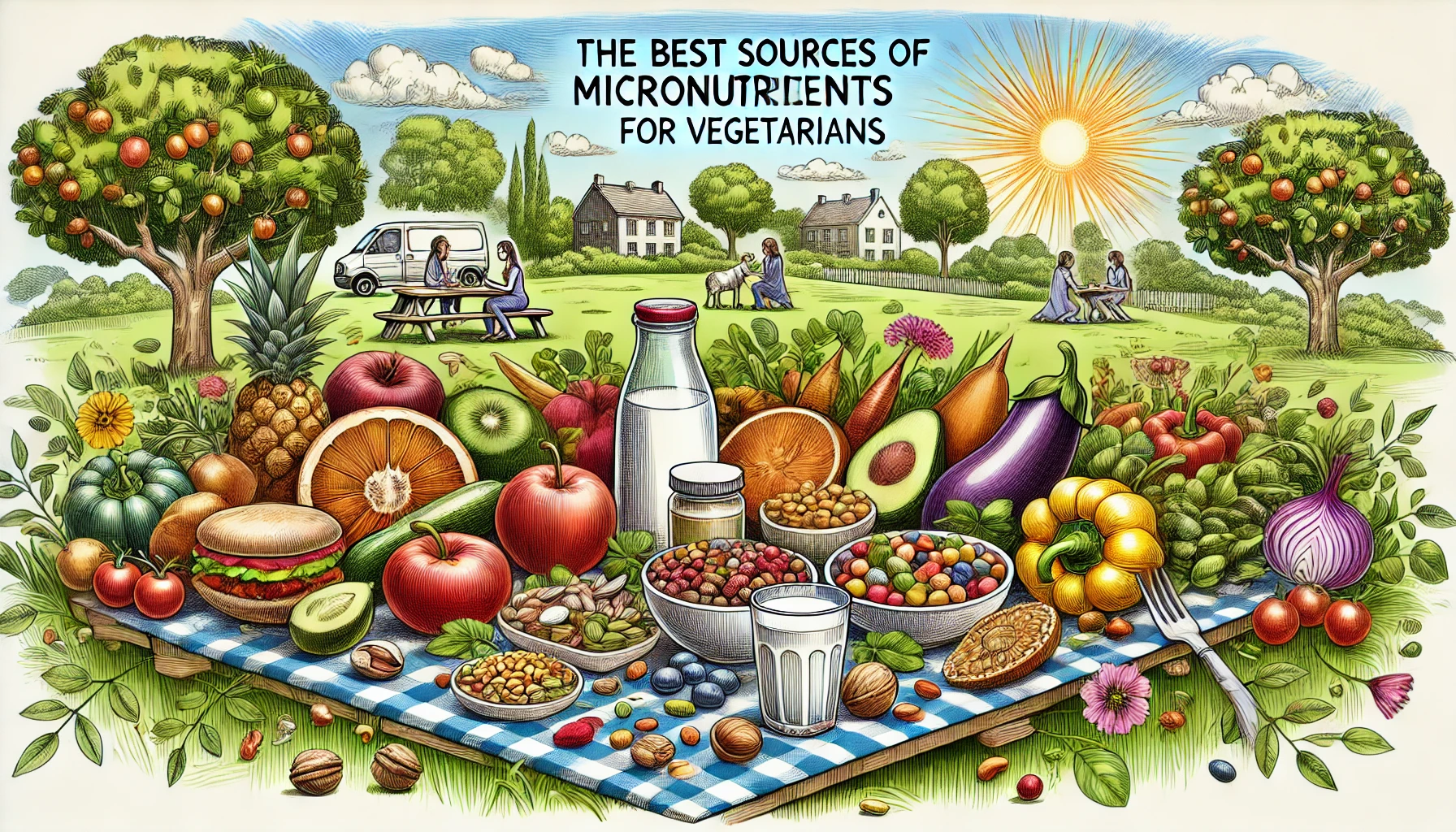
Maintaining a balanced diet rich in essential micronutrients is crucial for overall health and well-being. For vegetarians, it’s important to identify plant-based sources of these vitamins and minerals to ensure adequate intake. This guide highlights the best sources of key micronutrients for vegetarians, their benefits, and practical tips for incorporating them into your diet.
Introduction
A well-planned vegetarian diet can provide all the essential micronutrients required for good health. Micronutrients, including vitamins and minerals, play critical roles in various bodily functions such as immune support, energy production, and bone health. By focusing on diverse and nutrient-dense plant-based foods, vegetarians can meet their nutritional needs effectively.
Key Micronutrients and Their Vegetarian Sources
1. Iron
- Role: Essential for oxygen transport and energy production.
- Sources: Lentils, chickpeas, beans, tofu, spinach, pumpkin seeds, quinoa, and fortified cereals.
- Benefits: Prevents anemia, enhances energy levels, and supports cognitive function.
- Tips: Enhance iron absorption by consuming iron-rich foods with vitamin C-rich foods like citrus fruits, bell peppers, and tomatoes.
2. Calcium
- Role: Crucial for bone health and muscle function.
- Sources: Fortified plant milks (almond, soy, rice), fortified orange juice, tofu, almonds, sesame seeds, tahini, kale, and broccoli.
- Benefits: Supports bone density, muscle contraction, and nerve function.
- Tips: Ensure adequate vitamin D intake to improve calcium absorption.
3. Vitamin B12
- Role: Important for red blood cell formation, DNA synthesis, and neurological function.
- Sources: Fortified plant milks, fortified cereals, nutritional yeast, and fortified meat substitutes.
- Benefits: Prevents anemia, supports nervous system health, and aids in energy production.
- Tips: Since B12 is not naturally found in plant foods, consider a B12 supplement or consume fortified foods regularly.
4. Omega-3 Fatty Acids
- Role: Essential for brain health, heart health, and reducing inflammation.
- Sources: Flaxseeds, chia seeds, hemp seeds, walnuts, and algae-based supplements.
- Benefits: Supports cognitive function, reduces inflammation, and promotes heart health.
- Tips: Incorporate ground flaxseeds or chia seeds into smoothies, oatmeal, and baked goods for a boost of omega-3s.
5. Zinc
- Role: Supports immune function, wound healing, and protein synthesis.
- Sources: Legumes (lentils, chickpeas, beans), seeds (pumpkin, sunflower), nuts (cashews, almonds), whole grains, and fortified cereals.
- Benefits: Enhances immune response, promotes wound healing, and supports growth and development.
- Tips: Soak and sprout legumes, seeds, and grains to improve zinc absorption.
6. Iodine
- Role: Necessary for thyroid hormone production, which regulates metabolism and supports brain development.
- Sources: Iodized salt, seaweed (nori, kelp, dulse), and fortified foods.
- Benefits: Supports thyroid function and metabolism, and prevents intellectual disabilities.
- Tips: Use iodized salt in cooking and include seaweed snacks in your diet.
7. Vitamin D
- Role: Supports calcium absorption, bone health, and immune function.
- Sources: Fortified plant milks, fortified orange juice, mushrooms exposed to sunlight, and supplements.
- Benefits: Promotes healthy bones, supports immune function, and reduces inflammation.
- Tips: Spend time outdoors to get natural sunlight and consider a vitamin D supplement if you have limited sun exposure.
8. Vitamin A
- Role: Supports vision, immune function, and skin health.
- Sources: Carrots, sweet potatoes, spinach, kale, butternut squash, and red bell peppers.
- Benefits: Enhances night vision, boosts immunity, and promotes healthy skin.
- Tips: Include colorful vegetables in your meals to ensure adequate vitamin A intake.
9. Magnesium
- Role: Supports muscle and nerve function, blood sugar control, and bone health.
- Sources: Nuts (almonds, cashews), seeds (pumpkin, chia), legumes, whole grains, leafy greens (spinach, Swiss chard), and dark chocolate.
- Benefits: Reduces muscle cramps, supports energy production, and promotes relaxation.
- Tips: Include a variety of magnesium-rich foods in your daily diet and enjoy dark chocolate as a treat.
10. Folate (Vitamin B9)
- Role: Essential for DNA synthesis, cell division, and fetal development.
- Sources: Leafy greens (spinach, kale), legumes, asparagus, avocados, and fortified grains.
- Benefits: Supports cell growth, reduces the risk of birth defects, and promotes heart health.
- Tips: Incorporate a variety of folate-rich foods into your meals, especially if you are of childbearing age or pregnant.
Practical Tips for Ensuring Adequate Micronutrient Intake
1. Eat a Diverse Diet
- Variety is Key: Include a wide range of foods in your diet to cover all nutrient bases. Different foods provide different vitamins and minerals.
- Colorful Plates: Aim for colorful plates with a variety of fruits and vegetables to ensure a range of nutrients.
- Whole Foods: Focus on whole foods rather than processed foods, which often have lower nutrient densities.
2. Plan Meals Around Key Nutrients
- Breakfast: Include a source of vitamin B12 (e.g., fortified cereal) and a B vitamin-rich food (e.g., whole grain toast).
- Lunch: Aim for a combination of leafy greens (folate, calcium) and legumes (iron, zinc).
- Dinner: Incorporate fortified plant milks (calcium, vitamin D) and a variety of vegetables (vitamins A, C, E).
3. Consider Fortified Foods and Supplements
- Fortified Foods: Choose fortified foods to help meet your nutrient needs, especially for vitamins D, B12, and iron.
- Supplements: Consider supplements if you have specific dietary restrictions, health conditions, or increased nutrient needs. Always consult with a healthcare provider before starting any supplement regimen.
4. Stay Hydrated
- Water: Drink plenty of water throughout the day to stay hydrated and support bodily functions.
- Hydrating Foods: Include water-rich foods like cucumbers, watermelon, and oranges in your diet.
Sample Day of Micronutrient-Rich Eating for Vegetarians
Breakfast:
- Fortified whole grain cereal with almond milk (calcium, vitamin D, vitamin B12) and a glass of orange juice (vitamin C).
Snack:
- A banana (vitamin B6) and a handful of almonds (calcium, magnesium).
Lunch:
- Spinach salad with chickpeas, cherry tomatoes, avocado (vitamin E), and a lemon-tahini dressing (iron, zinc).
Snack:
- Greek yogurt with mixed berries (vitamin C, antioxidants) and a sprinkle of chia seeds (omega-3s, zinc).
Dinner:
- Stir-fried tofu (iron, calcium) with broccoli (vitamin C, calcium) and quinoa (magnesium, iron).
Snack:
- A piece of dark chocolate (iron, magnesium) and a cup of green tea (antioxidants).
Conclusion
Vegetarians can meet their micronutrient needs by incorporating a variety of nutrient-dense plant-based foods into their diet. By focusing on diverse sources of essential vitamins and minerals, choosing fortified foods, and considering supplementation when necessary, vegetarians can ensure they maintain optimal health. Regular monitoring and a balanced diet are key to maintaining adequate micronutrient intake and supporting overall well-being.