
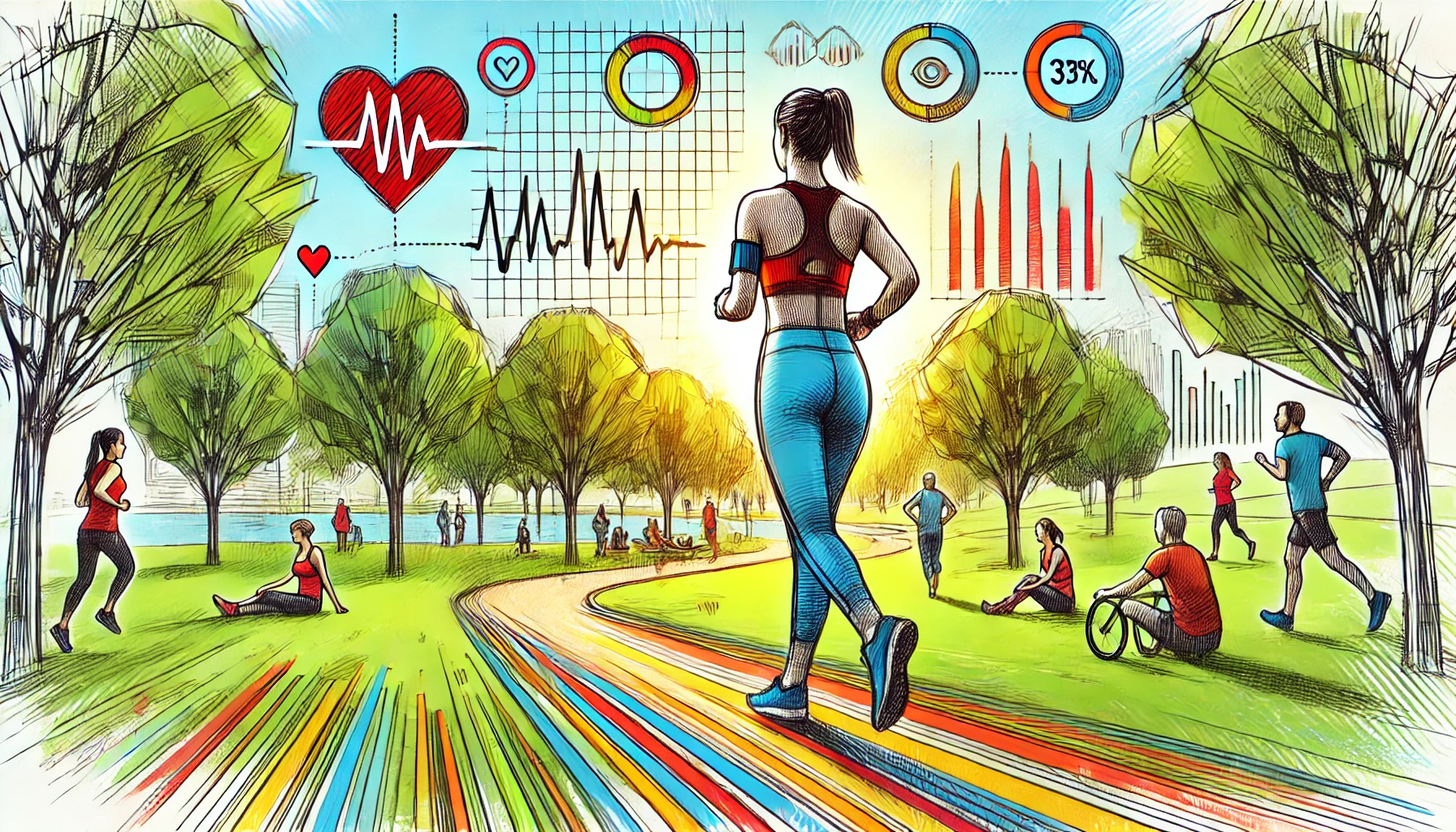
Heart rate monitoring is a valuable tool for optimizing fitness routines and achieving health goals. By tracking your heart rate, you can gain insights into your cardiovascular health, exercise intensity, and overall fitness progress. Whether you are an athlete, a fitness enthusiast, or just starting your fitness journey, understanding and using heart rate data can significantly enhance your workouts and improve your health outcomes.
Heart rate monitoring provides real-time feedback on how your body is responding to exercise, helping you to adjust your intensity levels for maximum benefit. This blog explores the various benefits of heart rate monitoring for fitness, including how to use heart rate data to personalize your workouts, track progress, and prevent overtraining.
1. Personalize Your Workouts
- Tailored Intensity: Heart rate monitoring allows you to adjust the intensity of your workouts to match your fitness goals. Whether you aim to burn fat, build endurance, or improve cardiovascular health, heart rate data can help you stay within the optimal training zones.
- Target Heart Rate Zones: By calculating your target heart rate zones (e.g., moderate intensity at 50-70% of your maximum heart rate), you can ensure your workouts are effective and aligned with your fitness objectives.
- Customization: Customize your workout plans based on your heart rate data to maximize efficiency and results.
2. Track Progress and Set Goals
- Measure Improvements: Regularly tracking your heart rate during exercise helps you see improvements in your cardiovascular fitness over time. A lower resting heart rate and quicker recovery after exercise are signs of enhanced fitness.
- Goal Setting: Use heart rate data to set realistic and achievable fitness goals. Monitor your progress towards these goals and make adjustments as needed.
- Motivation: Seeing tangible progress in your heart rate data can be motivating and encourage you to stay committed to your fitness routine.
3. Optimize Fat Burning
- Fat Burning Zone: Exercising within your fat-burning heart rate zone (typically 60-70% of your maximum heart rate) helps you burn more fat efficiently. This zone is ideal for weight loss and improving metabolic health.
- Calorie Tracking: Heart rate monitors often provide estimates of calories burned during workouts, helping you track your energy expenditure and manage your weight more effectively.
4. Improve Cardiovascular Health
- Aerobic Fitness: Regular aerobic exercise, monitored through heart rate, improves cardiovascular fitness by strengthening the heart muscle and enhancing blood circulation.
- Heart Health: Monitoring your heart rate during exercise helps ensure you are working within safe and effective intensity levels, reducing the risk of overexertion and heart-related issues.
5. Prevent Overtraining
- Recovery Monitoring: Heart rate data can help you track your recovery times between workouts. Prolonged elevated heart rates after exercise may indicate that you need more recovery time.
- Avoid Burnout: By keeping an eye on your heart rate, you can prevent overtraining and burnout, ensuring that your workouts remain safe and effective.
- Balanced Training: Use heart rate data to balance high-intensity workouts with adequate rest and recovery periods.
6. Enhance Workout Efficiency
- Maximize Time: Heart rate monitoring allows you to make the most of your workout time by ensuring you are training at the right intensity.
- Effective Training: Instead of guessing your workout intensity, heart rate monitoring provides precise data, allowing you to train smarter and achieve better results.
- Structured Workouts: Design structured workout sessions with warm-up, peak, and cool-down phases based on heart rate zones.
7. Monitor Overall Health
- Resting Heart Rate: Regularly tracking your resting heart rate provides insights into your overall health and fitness levels. A lower resting heart rate generally indicates better cardiovascular fitness.
- Heart Rate Variability (HRV): Monitoring HRV, the variation in time between heartbeats, can provide information about your autonomic nervous system and overall health. Higher HRV is associated with better cardiovascular health and stress resilience.
- Stress Levels: Track how stress affects your heart rate and overall health. Implementing stress management techniques can improve both heart rate and fitness.
8. Stay Motivated and Engaged
- Real-Time Feedback: Real-time heart rate data provides immediate feedback during workouts, helping you stay engaged and motivated.
- Challenges and Competitions: Participate in fitness challenges and competitions using heart rate data to track performance and compete with others.
- Personal Bests: Strive to achieve personal bests in various heart rate metrics, such as maximum heart rate or recovery time.
9. Safe Training for All Fitness Levels
- Beginner Guidance: For beginners, heart rate monitoring provides a safe and effective way to start exercising, ensuring workouts are not too intense.
- Progressive Training: As fitness levels improve, heart rate data helps you progressively increase workout intensity safely.
- Injury Prevention: By avoiding overexertion, heart rate monitoring reduces the risk of injuries and ensures a safer workout experience.
10. Tools and Technology for Heart Rate Monitoring
- Wearable Devices: Invest in wearable heart rate monitors, such as chest straps, wristbands, or smartwatches, for accurate and convenient tracking.
- Fitness Apps: Use fitness apps that sync with your heart rate monitor to track, analyze, and store your heart rate data.
- Integrated Equipment: Many modern fitness machines, such as treadmills and ellipticals, come with built-in heart rate monitors.
Conclusion
Heart rate monitoring offers numerous benefits for fitness enthusiasts and athletes alike. By providing real-time feedback and valuable insights into your cardiovascular health and exercise intensity, heart rate monitoring can help you personalize your workouts, track progress, optimize fat burning, and prevent overtraining. It also enhances overall workout efficiency, motivation, and safety.
Whether you are a beginner or an experienced athlete, incorporating heart rate monitoring into your fitness routine can lead to better health outcomes and more effective training. Invest in the right tools and technology, set realistic goals, and use your heart rate data to make informed decisions about your health and fitness journey.