
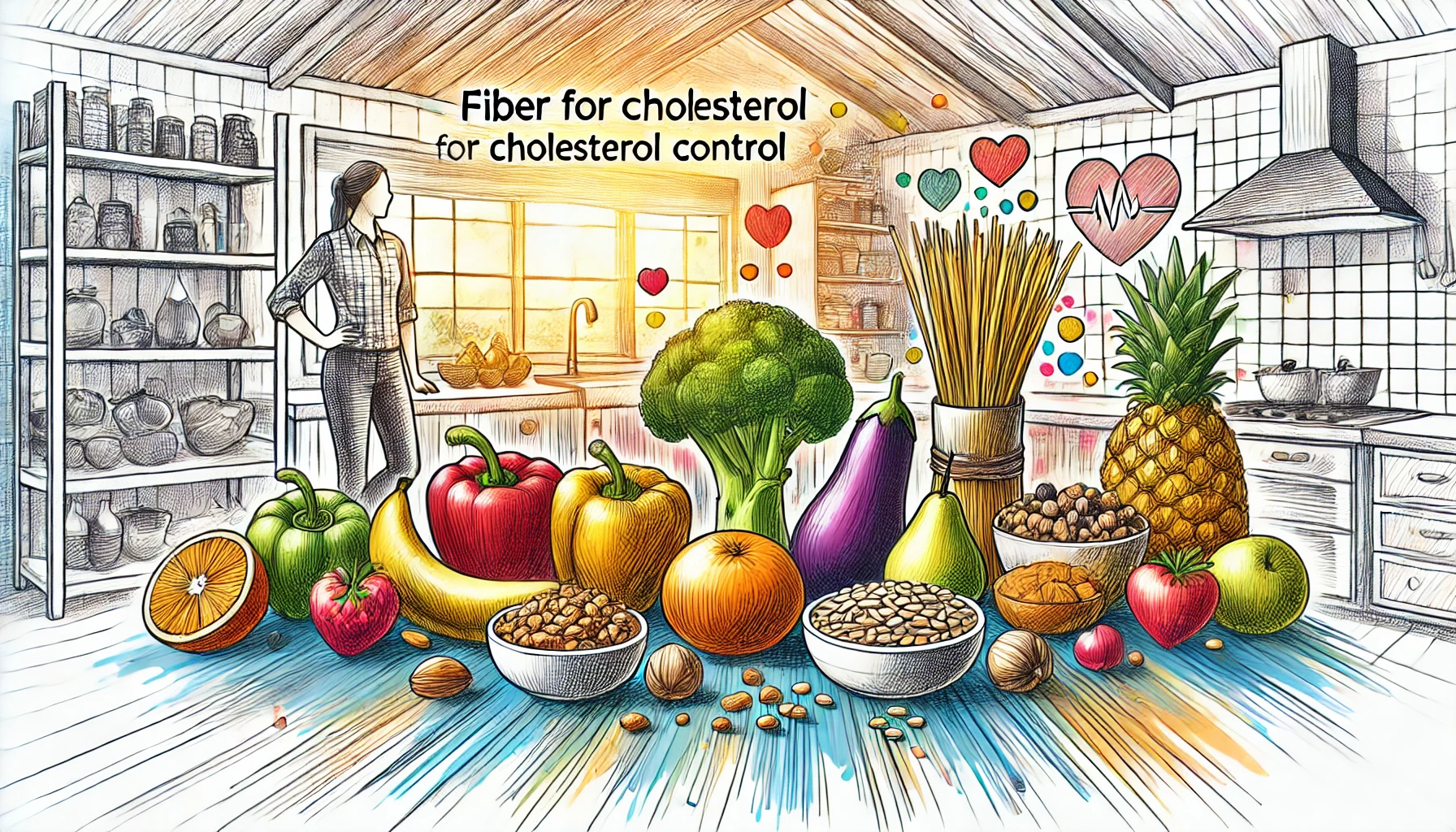
Fiber is an essential part of a healthy diet, offering numerous benefits for overall well-being, including effective cholesterol management. Dietary fiber helps lower bad cholesterol (LDL) levels, supports heart health, and reduces the risk of cardiovascular diseases. By incorporating more fiber-rich foods into your diet, you can take significant steps towards better cholesterol control and improved health.
In this blog, we will explore the benefits of fiber for cholesterol control. We will cover ten main points, each providing detailed insights and practical tips on how to incorporate fiber into your daily routine. By understanding and utilizing these benefits, you can effectively manage your cholesterol levels and enhance your overall well-being.
1. Soluble Fiber and LDL Cholesterol
- Soluble Fiber: Soluble fiber dissolves in water to form a gel-like substance that binds with cholesterol in the digestive system, helping to remove it from the body.
- Sources: Good sources of soluble fiber include oats, barley, beans, lentils, apples, pears, and citrus fruits.
- Daily Intake: Aim for at least 5-10 grams of soluble fiber per day to effectively lower LDL cholesterol.
- Meal Ideas: Incorporate oatmeal for breakfast, add beans to salads, and enjoy fruits as snacks to increase soluble fiber intake.
- Supplementation: Consider fiber supplements like psyllium husk if you’re not getting enough from your diet, but consult a healthcare provider first.
2. Insoluble Fiber and Digestive Health
- Insoluble Fiber: Insoluble fiber does not dissolve in water but adds bulk to stool, promoting regular bowel movements and preventing constipation.
- Sources: Whole grains, nuts, seeds, and the skins of fruits and vegetables are rich in insoluble fiber.
- Digestive Health: Maintaining good digestive health indirectly supports cholesterol control by promoting overall well-being.
- Balanced Diet: Include a variety of fiber sources to ensure a balance of soluble and insoluble fiber.
- Daily Goals: Aim for a total dietary fiber intake of 25-30 grams per day, including both soluble and insoluble fiber.
3. Fiber and Bile Acid Binding
- Bile Acid Binding: Soluble fiber binds with bile acids in the intestines, which are then excreted. The body uses cholesterol to produce more bile acids, thus reducing cholesterol levels in the blood.
- Cholesterol Reduction: This process effectively lowers LDL cholesterol levels, helping to protect against heart disease.
- Foods to Include: Oats, barley, and legumes are particularly effective at binding bile acids.
- Regular Consumption: Regularly consume these fiber-rich foods to maintain their cholesterol-lowering benefits.
- Long-Term Impact: Consistent intake of soluble fiber contributes to sustained cholesterol reduction over time.
4. Satiety and Weight Management
- Increased Satiety: High-fiber foods promote feelings of fullness and reduce overall calorie intake, which can help with weight management.
- Weight and Cholesterol: Maintaining a healthy weight is crucial for managing cholesterol levels and reducing the risk of cardiovascular diseases.
- Meal Planning: Plan meals with fiber-rich foods to help control hunger and reduce unhealthy snacking.
- Healthy Snacks: Choose high-fiber snacks like fruits, vegetables, and whole grains to stay full between meals.
- Portion Control: Fiber helps you feel full with smaller portions, aiding in portion control and calorie management.
5. Blood Sugar Regulation
- Blood Sugar Levels: Fiber helps slow the absorption of sugar, leading to more stable blood sugar levels.
- Insulin Sensitivity: Improved blood sugar control enhances insulin sensitivity, which can help lower cholesterol levels.
- Diabetes Management: For individuals with diabetes, managing blood sugar levels is crucial for overall health and cholesterol control.
- Fiber-Rich Foods: Include foods like beans, lentils, and whole grains to help regulate blood sugar levels.
- Balanced Diet: Combine fiber with protein and healthy fats for balanced meals that support blood sugar regulation.
6. Reduced Inflammation
- Anti-Inflammatory Properties: High-fiber diets are associated with reduced inflammation in the body, which can help protect against chronic diseases.
- Heart Health: Reducing inflammation is beneficial for heart health and helps prevent the buildup of arterial plaque.
- Fiber Sources: Fruits, vegetables, whole grains, and legumes are all anti-inflammatory foods rich in fiber.
- Consistent Intake: Maintain a diet rich in these foods to continuously support anti-inflammatory benefits.
- Overall Health: Reduced inflammation contributes to overall better health and lowers the risk of various chronic conditions.
7. Improved Gut Health
- Gut Microbiome: Fiber acts as a prebiotic, feeding the beneficial bacteria in your gut and promoting a healthy microbiome.
- Cholesterol Metabolism: A healthy gut microbiome can influence cholesterol metabolism and contribute to lower LDL levels.
- Diverse Diet: Eat a diverse range of fiber-rich foods to support a diverse and healthy gut microbiome.
- Fermented Foods: Include fermented foods like yogurt, kefir, and sauerkraut, which provide probiotics to complement fiber intake.
- Regularity: Consistent fiber intake supports regular bowel movements and overall digestive health.
8. Lower Triglycerides
- Triglyceride Reduction: High-fiber diets, particularly those rich in soluble fiber, can help lower triglyceride levels.
- Cardiovascular Risk: Lowering triglycerides reduces the risk of cardiovascular diseases.
- Dietary Choices: Focus on foods like oats, barley, and legumes to target both cholesterol and triglyceride levels.
- Exercise: Combine a high-fiber diet with regular physical activity to maximize triglyceride reduction.
- Monitoring: Regularly check your lipid profile to monitor improvements in triglyceride levels.
9. Easy Ways to Increase Fiber Intake
- Breakfast: Start your day with high-fiber cereals or oatmeal topped with fruits and nuts.
- Snacks: Choose fiber-rich snacks such as fresh fruits, vegetables with hummus, or whole grain crackers.
- Meals: Add beans or lentils to soups, stews, and salads for an extra fiber boost.
- Whole Grains: Replace refined grains with whole grain alternatives like brown rice, quinoa, and whole wheat bread.
- Fiber Supplements: Consider fiber supplements if you have difficulty reaching your daily fiber goals through diet alone, but consult with a healthcare provider first.
10. Regular Monitoring and Professional Guidance
- Health Check-Ups: Schedule regular check-ups with your healthcare provider to monitor your cholesterol levels and overall health.
- Personalized Advice: Work with a dietitian or nutritionist to develop a personalized plan for increasing fiber intake and managing cholesterol.
- Tracking Progress: Keep a food diary to track your fiber intake and make necessary adjustments.
- Stay Informed: Stay updated on new research and dietary guidelines for fiber and cholesterol management.
- Support Systems: Join support groups or online communities for additional motivation and advice.
Incorporating fiber into your diet is an effective strategy for managing cholesterol levels and supporting heart health. By making informed dietary choices and prioritizing fiber-rich foods, you can take significant steps toward better cholesterol control and overall well-being. Combine these dietary changes with regular physical activity and other healthy habits for optimal results.