
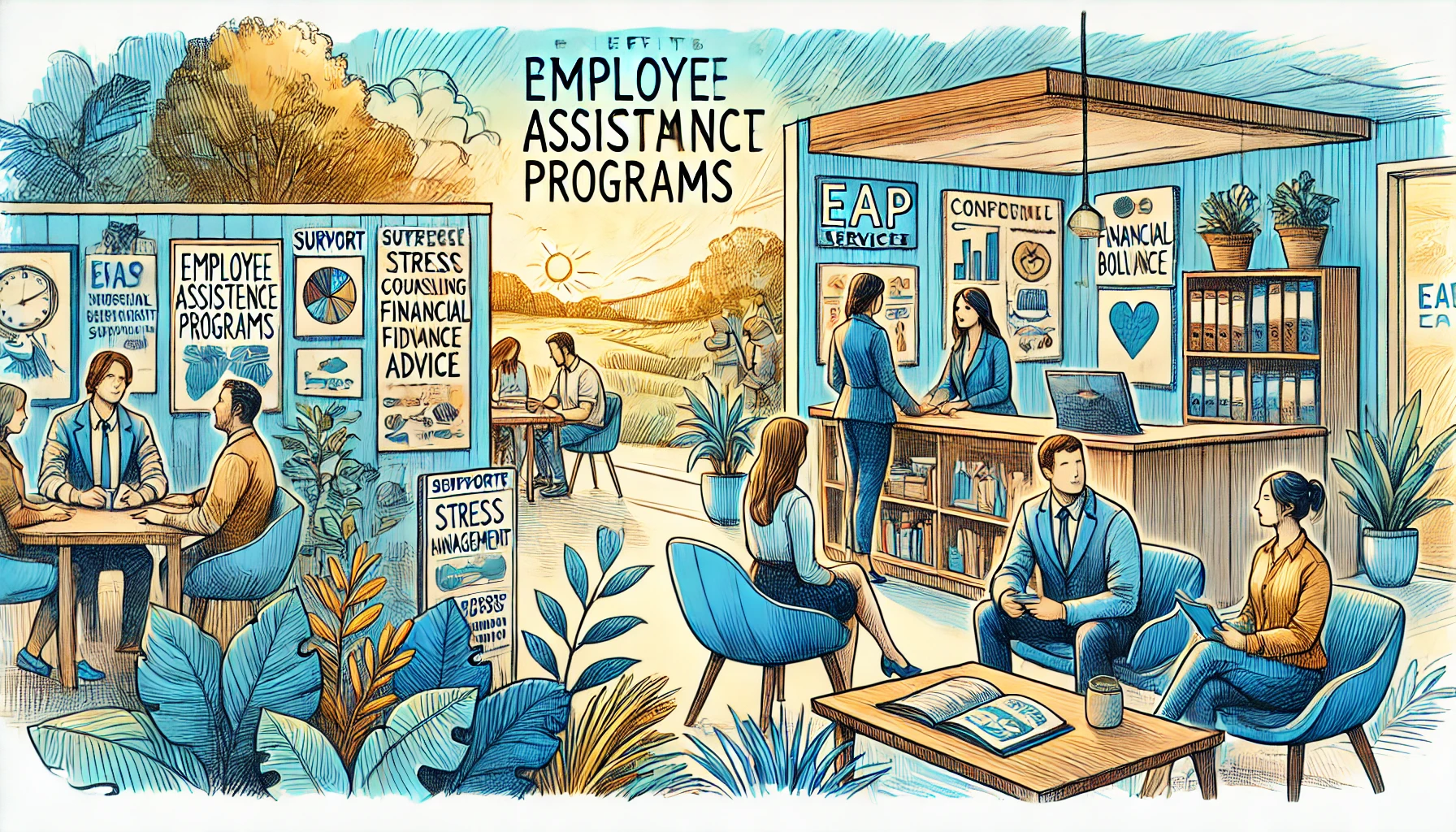
Employee Assistance Programs (EAPs) are workplace initiatives designed to support employees’ mental, emotional, and physical well-being. These programs offer a wide range of services, including counseling, legal assistance, financial advice, and wellness resources. EAPs are confidential and often provided at no cost to employees, making them an accessible and valuable resource for addressing various personal and work-related issues. By offering EAPs, employers demonstrate a commitment to their employees’ holistic health, fostering a supportive work environment and promoting overall job satisfaction.
EAPs are beneficial not only for employees but also for organizations. They help reduce absenteeism, enhance productivity, and improve employee morale. Additionally, EAPs can play a crucial role in mitigating workplace conflicts and preventing burnout. In today’s increasingly complex work environment, where stress and mental health challenges are prevalent, EAPs serve as an essential tool for maintaining a healthy and engaged workforce. This guide explores the numerous benefits of EAPs for both employees and employers, highlighting why these programs are an invaluable component of a comprehensive employee wellness strategy.
1. Confidential Support for Personal and Work-Related Issues
- Mental Health Counseling: EAPs offer confidential counseling services for mental health issues such as anxiety, depression, stress, and grief, helping employees manage their emotional well-being.
- Crisis Intervention: Provide immediate support during crises, such as personal loss or traumatic events, offering guidance and resources to cope.
- Workplace Conflicts: Assist employees in resolving workplace conflicts through mediation and communication strategies, fostering a harmonious work environment.
- Family and Relationship Issues: Offer counseling and resources for family and relationship issues, including marital counseling and parenting support.
- Substance Abuse Assistance: Provide support and referrals for employees struggling with substance abuse, offering pathways to recovery.
2. Enhanced Employee Well-Being and Resilience
- Stress Management: EAPs offer tools and techniques for managing stress, including relaxation exercises and mindfulness practices, promoting a balanced lifestyle.
- Work-Life Balance: Support employees in achieving work-life balance by offering resources and strategies for managing personal and professional responsibilities.
- Emotional Resilience: Help employees build emotional resilience through counseling and educational resources, enabling them to handle challenges more effectively.
- Physical Health Resources: Provide access to resources on physical health, including fitness programs, nutrition advice, and smoking cessation support.
- Preventive Care: Encourage preventive care by offering health screenings and promoting wellness activities, reducing the risk of chronic illnesses.
3. Improved Productivity and Performance
- Reduced Absenteeism: By addressing personal and work-related issues, EAPs help reduce absenteeism due to stress, mental health challenges, and other factors.
- Enhanced Focus: Employees who utilize EAP services are often better able to focus on their work, leading to improved performance and productivity.
- Lower Turnover Rates: EAPs contribute to higher employee satisfaction and loyalty, reducing turnover rates and associated recruitment costs.
- Conflict Resolution: Assist in resolving workplace conflicts, leading to a more cohesive and productive work environment.
- Skill Development: Offer workshops and training on topics such as time management, communication skills, and leadership, enhancing employees’ professional skills.
4. Cost Savings for Employers
- Reduced Healthcare Costs: By promoting mental and physical well-being, EAPs can help reduce healthcare costs related to stress, mental health issues, and chronic illnesses.
- Decreased Disability Claims: Early intervention and support for mental health issues can reduce the number and duration of disability claims.
- Lower Workers’ Compensation Claims: EAPs provide support for substance abuse and stress management, potentially reducing workers’ compensation claims related to these issues.
- Improved Employee Retention: By providing support during difficult times, EAPs can enhance employee retention, reducing turnover-related expenses.
- Increased ROI: Companies often see a positive return on investment (ROI) from EAPs due to increased productivity, reduced absenteeism, and lower healthcare costs.
5. Access to a Wide Range of Services
- Legal Assistance: EAPs often provide access to legal services, including consultations on personal matters such as estate planning, family law, and tenant issues.
- Financial Counseling: Offer financial advice and planning services, including debt management, budgeting, and retirement planning.
- Childcare and Eldercare Resources: Provide information and resources for childcare and eldercare, helping employees manage family responsibilities.
- Career Development: Offer career counseling and coaching, including resume building, interview preparation, and career planning.
- Diverse Resources: EAPs offer a variety of resources, such as educational materials, webinars, and workshops, to address a wide range of personal and professional needs.
6. Increased Employee Engagement and Morale
- Supportive Environment: EAPs contribute to a supportive work environment where employees feel valued and cared for, boosting morale and engagement.
- Recognition and Appreciation: Providing EAP services shows that the company recognizes and appreciates its employees’ well-being.
- Inclusive Culture: EAPs promote an inclusive culture by offering support for diverse needs, including cultural, gender, and lifestyle differences.
- Positive Workplace Culture: EAPs help cultivate a positive workplace culture by addressing issues that can affect morale and job satisfaction.
- Enhanced Employer Reputation: Offering comprehensive EAP services can enhance the employer’s reputation as a caring and supportive organization.
7. Early Detection and Intervention
- Screening and Assessment: EAPs can provide early screening and assessment for mental health issues, facilitating timely intervention and support.
- Preventive Measures: By identifying potential issues early, EAPs can implement preventive measures, reducing the risk of escalation.
- Crisis Management: EAPs offer crisis management services, including critical incident response and support, helping employees cope with traumatic events.
- Resource Referrals: EAPs can refer employees to specialized resources and services, including medical professionals, therapists, and support groups.
- Proactive Approach: EAPs encourage a proactive approach to mental health and well-being, promoting early intervention and support.
8. Confidentiality and Trust
- Confidential Services: EAPs offer confidential services, ensuring that employees can seek help without fear of privacy breaches or workplace repercussions.
- Trust Building: By maintaining confidentiality, EAPs build trust between employees and the organization, encouraging more employees to seek help.
- Anonymous Reporting: Some EAPs offer anonymous reporting tools, allowing employees to report concerns or seek help without revealing their identity.
- Safe Space: EAPs provide a safe space for employees to discuss sensitive issues, fostering a supportive environment.
- Non-Judgmental Support: EAPs offer non-judgmental support, helping employees feel comfortable discussing personal and work-related challenges.
9. Customizable and Flexible Programs
- Tailored Services: EAPs can be tailored to meet the specific needs of the organization and its employees, offering customized support.
- Scalable Options: EAPs can be scaled to accommodate organizations of different sizes, from small businesses to large corporations.
- Flexible Delivery: Services can be delivered through various channels, including in-person, telephone, online, and mobile apps.
- Cultural Sensitivity: EAPs can offer culturally sensitive services, addressing the diverse needs of a multicultural workforce.
- Adaptability: EAPs can adapt to changing needs, offering new services and resources as required.
10. Promotion of Overall Workplace Well-Being
- Holistic Approach: EAPs promote a holistic approach to well-being, addressing mental, emotional, and physical health.
- Workplace Wellness Programs: EAPs can complement existing workplace wellness programs, offering comprehensive support.
- Mental Health Awareness: EAPs promote mental health awareness and education, reducing stigma and encouraging open discussions.
- Healthy Work Environment: EAPs contribute to creating a healthy work environment, where employees feel supported and valued.
- Long-Term Benefits: By promoting well-being, EAPs contribute to long-term benefits for both employees and the organization, including increased productivity and reduced turnover.
Employee Assistance Programs offer numerous benefits for both employees and employers, making them an essential component of a comprehensive employee wellness strategy. By providing confidential support, promoting well-being, enhancing productivity, and offering a wide range of services, EAPs contribute to a healthier, more engaged, and more resilient workforce. As organizations continue to recognize the importance of supporting their employees’ mental and emotional health, the value of EAPs will only continue to grow.
In conclusion, Employee Assistance Programs (EAPs) are invaluable resources that provide comprehensive support for employees’ mental, emotional, and physical well-being. By offering confidential counseling, legal assistance, financial advice, and various wellness resources, EAPs help employees navigate personal and work-related challenges, enhancing overall job satisfaction and productivity. Employers benefit from reduced absenteeism, lower healthcare costs, and improved employee engagement. As organizations strive to create supportive and inclusive work environments, EAPs play a crucial role in promoting a culture of care and well-being. Investing in EAPs is not only a commitment to employees’ health but also a strategic move that yields long-term benefits for the organization.