
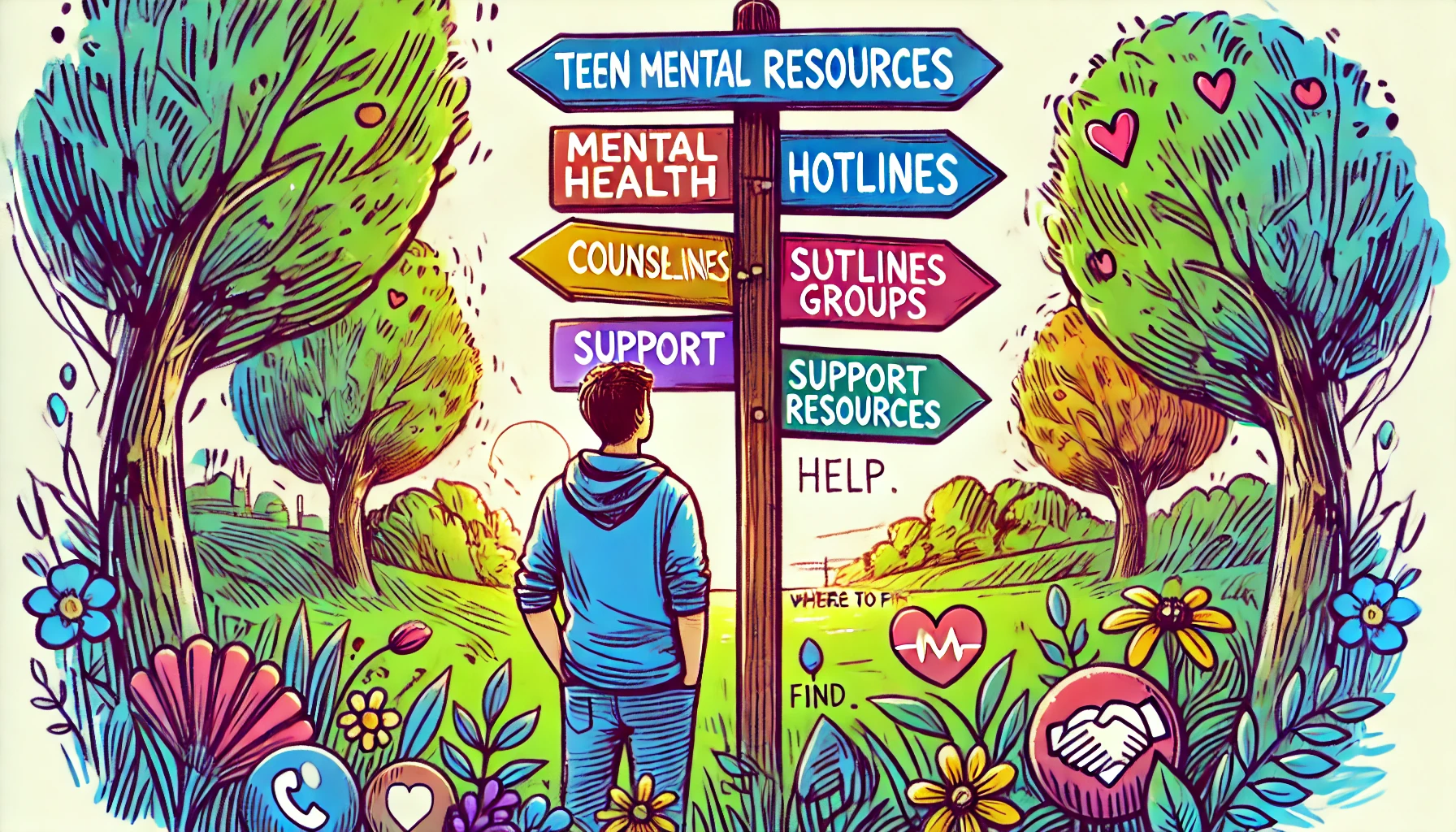
Navigating the complexities of adolescence can be challenging for teenagers, and mental health issues can further complicate this crucial developmental period. It’s essential for teens and their parents to know where to find help when needed. Access to the right resources can make a significant difference in addressing mental health concerns and promoting overall well-being.
This guide provides a comprehensive overview of various teen mental health resources, including professional services, online platforms, helplines, support groups, and educational materials. By leveraging these resources, teens and their families can find the support and information they need to manage mental health challenges effectively.
1. Professional Services
- Therapists and Counselors: Licensed therapists and counselors can provide individual, group, or family therapy. They are trained to address a wide range of mental health issues, including anxiety, depression, and trauma.
- How to Find: Use directories such as Psychology Today, TherapyTribe, or the American Psychological Association (APA) to find licensed professionals in your area.
- Psychiatrists: Psychiatrists are medical doctors who specialize in diagnosing and treating mental health conditions. They can prescribe medication if necessary.
- How to Find: Request referrals from primary care physicians, or use directories like the American Psychiatric Association’s database.
- School Counselors: Many schools have on-site counselors who can provide support and guidance for mental health concerns. They can also refer students to external resources if needed.
- How to Find: Contact your teen’s school counseling office for information and appointments.
- Community Health Centers: Local community health centers often offer mental health services, including counseling and psychiatric care, on a sliding scale fee.
- How to Find: Search the Health Resources & Services Administration (HRSA) website or local health department websites for community health centers near you.
2. Online Therapy Platforms
- BetterHelp: Offers online counseling with licensed therapists via messaging, phone, or video sessions.
- Talkspace: Provides access to licensed therapists through text, audio, and video messaging.
- Teen Counseling: A branch of BetterHelp tailored specifically for teenagers, providing online therapy with licensed counselors.
- 7 Cups: Offers free, anonymous chat support with trained listeners and affordable online therapy with licensed professionals.
3. Helplines and Crisis Resources
- National Suicide Prevention Lifeline: 1-800-273-TALK (8255) – Provides 24/7 support for individuals in crisis.
- Crisis Text Line: Text HOME to 741741 – Offers 24/7 crisis support via text messaging.
- The Trevor Project: 1-866-488-7386 – Provides crisis intervention and suicide prevention services to LGBTQ+ youth.
- SAMHSA’s National Helpline: 1-800-662-HELP (4357) – A confidential, free helpline for individuals facing mental health or substance abuse issues.
- Teen Line: Text TEEN to 839863 or call 1-800-TLC-TEEN (852-8336) – Provides peer-to-peer support and resources for teens in crisis.
4. Support Groups and Peer Networks
- NAMI (National Alliance on Mental Illness): Offers support groups and educational programs for teens and families.
- The JED Foundation: Provides resources and programs to support mental health and prevent suicide among teens and young adults.
- Youth M.O.V.E. National: A youth-led organization that offers support and advocacy for young people with mental health challenges.
- Alateen: A support group for teens affected by someone else’s drinking, offering peer support and coping strategies.
5. Educational Resources
- Mental Health America (MHA): Provides educational materials, screening tools, and resources for mental health.
- The National Institute of Mental Health (NIMH): Offers information on mental health disorders, research, and resources for teens and families.
- The Child Mind Institute: Provides articles, guides, and resources on various mental health topics affecting children and adolescents.
- MindWise Innovations: Offers online screening tools and educational resources to raise awareness and understanding of mental health.
6. Apps for Mental Health
- Calm: Offers guided meditation, sleep stories, and relaxation techniques to reduce stress and improve sleep.
- Headspace: Provides mindfulness and meditation exercises tailored to various needs, including stress and anxiety.
- Moodpath: A mental health assessment and tracking app that helps users identify symptoms of depression and anxiety.
- Happify: Uses science-based activities and games to help improve mood and build resilience.
- Sanvello: Combines CBT, mindfulness, and self-care tools to manage stress, anxiety, and depression.
7. Books and Literature
- “The Anxiety Workbook for Teens” by Lisa M. Schab: Provides practical exercises to help teens manage anxiety.
- “Mindfulness for Teen Depression” by Christopher Willard and Amy Saltzman: Offers mindfulness strategies to help teens cope with depression.
- “The 7 Habits of Highly Effective Teens” by Sean Covey: Provides advice and strategies for personal development and resilience.
- “Stuff That Sucks” by Ben Sedley: A guide to accepting feelings, building resilience, and improving mental health for teens.
8. School-Based Programs
- Mental Health Education: Many schools offer mental health education programs that cover topics such as stress management, emotional regulation, and resilience.
- Peer Mentoring Programs: Programs where older students provide support and guidance to younger students, fostering a sense of community and peer support.
- Wellness Centers: Some schools have on-site wellness centers that offer counseling, health services, and stress-relief activities.
- Anti-Bullying Initiatives: Programs and policies aimed at preventing bullying and promoting a safe school environment.
Accessing the right mental health resources can make a significant difference in a teen’s ability to cope with challenges and thrive. By exploring professional services, online platforms, helplines, support groups, and educational materials, teens and their families can find the support and information they need. Early intervention and ongoing support are crucial for addressing mental health issues and promoting overall well-being. If you notice signs that your teen may need mental health support, don’t hesitate to seek help from the resources available.