
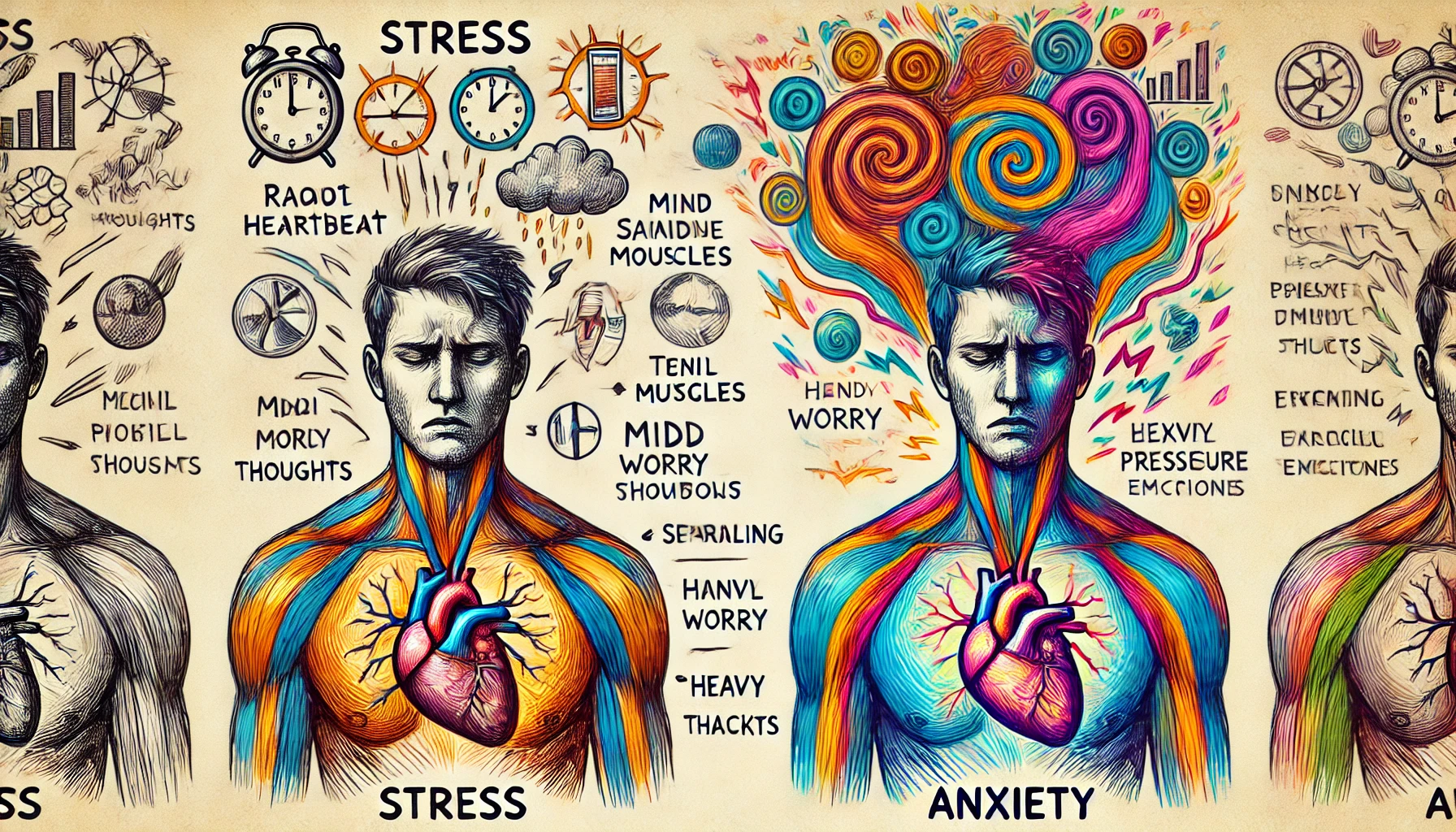
Stress and anxiety are two emotional responses that can significantly impact the body, but they do so in different ways. Both involve similar physical symptoms, such as increased heart rate and muscle tension, but their effects on the body can vary depending on whether the stress or anxiety is short-term or chronic. Understanding how each affects your body differently is key to managing these conditions effectively and protecting your physical health.
This guide explores the specific ways stress and anxiety impact your body, how they differ in their effects, and the long-term consequences of unmanaged stress and anxiety on your physical well-being.
1. Stress: How It Affects Your Body
- Short-Term Stress Response: Stress activates the body’s “fight-or-flight” response, which is designed to prepare you to handle immediate challenges. In the short term, this response increases adrenaline and cortisol levels, leading to an elevated heart rate, faster breathing, and muscle tension. These changes help you respond to external stressors, such as deadlines, conflicts, or emergencies.
- Physical Symptoms of Acute Stress: In addition to increased heart rate and breathing, acute stress can cause sweating, dry mouth, shaky hands, and digestive issues like nausea or upset stomach. These symptoms subside once the stressful situation is resolved.
- Positive Aspects of Short-Term Stress: Not all stress is harmful. Short-term stress, known as eustress, can actually enhance focus, motivation, and performance, helping you meet deadlines or respond quickly to challenges.
- Long-Term Stress: Chronic stress occurs when the body’s stress response remains activated for extended periods. Long-term exposure to stress hormones like cortisol can lead to serious health problems, including cardiovascular disease, digestive issues, weakened immune function, and sleep disturbances.
- Impact on Sleep: Stress often disrupts sleep, leading to trouble falling asleep or staying asleep. Chronic stress may lead to insomnia, which further compounds the body’s inability to recover and rest.
2. Anxiety: How It Affects Your Body
- Ongoing Worry and Physical Strain: Anxiety, unlike stress, often persists for long periods and may not be tied to a specific event or situation. This prolonged emotional state keeps the body in a state of heightened alertness, even when there is no immediate threat, leading to ongoing physical strain.
- Physical Symptoms of Anxiety: Anxiety triggers symptoms similar to stress, such as increased heart rate, rapid breathing, and muscle tension, but these symptoms are often more persistent. People with anxiety may experience chronic restlessness, trembling, dizziness, sweating, and gastrointestinal issues like irritable bowel syndrome (IBS).
- Chest Pain and Breathing Issues: Anxiety can cause chest tightness, a racing heart, or difficulty breathing, which can feel similar to a heart attack. Panic attacks, a severe manifestation of anxiety, cause intense physical reactions, including hyperventilation, chest pain, and feelings of suffocation.
- Cognitive Symptoms: Anxiety often affects cognitive function, leading to overthinking, difficulty concentrating, and racing thoughts. These mental symptoms can make it difficult to relax, adding to the body’s ongoing physical tension.
- Chronic Muscle Tension: Anxiety often causes chronic muscle tension, particularly in the neck, shoulders, and jaw. This prolonged tension can lead to musculoskeletal pain, headaches, and TMJ (temporomandibular joint) disorders.
3. Stress vs. Anxiety: Key Differences in Bodily Impact
- Trigger and Duration: Stress is typically triggered by a specific external event, such as work pressure or a personal conflict, and subsides once the situation is resolved. Anxiety, on the other hand, may not have a clear trigger and can persist indefinitely, leading to long-term physical strain.
- Focus on Present vs. Future: Stress is often focused on present challenges and prompts immediate physical responses, such as a faster heartbeat or muscle tension. Anxiety is more future-oriented, with the body remaining on high alert due to excessive worry about hypothetical situations.
- Physical Symptoms Over Time: While both stress and anxiety can cause similar symptoms, such as headaches or digestive issues, anxiety tends to cause these symptoms more consistently over a longer period. For example, while stress-related digestive problems may resolve once the stressor is removed, anxiety-related digestive issues like IBS may persist due to ongoing worry and fear.
- Chronic Activation of Fight-or-Flight: Stress activates the body’s fight-or-flight response temporarily, while anxiety can keep this system chronically activated. This prolonged state of arousal can lead to wear and tear on the body, causing long-term health issues such as chronic pain, high blood pressure, and adrenal fatigue.
4. The Long-Term Health Risks of Chronic Stress
- Cardiovascular Disease: Chronic stress can lead to high blood pressure, heart disease, and an increased risk of stroke due to the ongoing release of cortisol and adrenaline. The constant strain on the heart and blood vessels weakens cardiovascular health over time.
- Immune Suppression: Prolonged stress weakens the immune system, making it harder for the body to fight off infections. This can lead to more frequent illnesses, slower recovery from sickness, and an increased risk of chronic diseases.
- Digestive Problems: Chronic stress can exacerbate digestive issues like acid reflux, ulcers, and irritable bowel syndrome (IBS). The stress response diverts blood away from the digestive system, disrupting normal digestion and leading to chronic discomfort.
- Sleep Disorders: Long-term stress often leads to insomnia or other sleep disorders. Poor sleep quality further affects the body’s ability to recover, contributing to exhaustion, irritability, and difficulty concentrating.
- Mental Health Decline: Chronic stress can lead to mental health problems like anxiety disorders, depression, and burnout. The constant pressure affects emotional regulation, leading to feelings of hopelessness and overwhelm.
5. The Long-Term Health Risks of Chronic Anxiety
- Chronic Pain and Muscle Tension: Anxiety can lead to chronic pain in the muscles and joints, particularly in the neck, shoulders, and back. This pain is caused by constant tension in the muscles, which can lead to headaches, migraines, and tension-related disorders like TMJ.
- Cardiovascular Issues: Similar to stress, anxiety increases the risk of cardiovascular problems like high blood pressure and heart disease. The ongoing release of stress hormones can damage the heart and blood vessels over time.
- Respiratory Problems: Anxiety can cause chronic breathing difficulties, such as hyperventilation, which can lead to dizziness, fainting, or chest pain. Over time, these symptoms can contribute to respiratory issues, particularly for those with preexisting conditions like asthma.
- Gastrointestinal Issues: Anxiety often causes or exacerbates digestive problems such as irritable bowel syndrome (IBS), acid reflux, and nausea. These issues may persist as long as the anxiety is not addressed, affecting overall digestion and nutrient absorption.
- Sleep Disorders: Anxiety is closely linked to insomnia and sleep disturbances, as worry and fear prevent the mind from relaxing. Over time, poor sleep can lead to fatigue, decreased cognitive function, and emotional instability, creating a vicious cycle of anxiety and exhaustion.
6. Managing the Physical Effects of Stress
- Exercise: Physical activity is one of the most effective ways to reduce stress. Exercise releases endorphins, which counteract stress hormones, improving mood and reducing muscle tension.
- Relaxation Techniques: Techniques such as deep breathing, progressive muscle relaxation, and meditation help activate the body’s parasympathetic nervous system, which promotes relaxation and reduces the physical symptoms of stress.
- Time Management: Organizing tasks, setting priorities, and avoiding overcommitment can reduce the burden of stress and prevent chronic exposure to stressful situations.
- Healthy Sleep Habits: Establishing a consistent sleep schedule and creating a calming bedtime routine can help counteract the negative effects of stress on sleep.
7. Managing the Physical Effects of Anxiety
- Mindfulness and Meditation: Practicing mindfulness helps calm the mind and body by focusing on the present moment, reducing the tendency to worry about future events. Regular meditation can also lower anxiety-related physical symptoms like heart palpitations and muscle tension.
- Cognitive-Behavioral Therapy (CBT): CBT helps individuals identify and change negative thought patterns that contribute to anxiety, reducing both emotional and physical symptoms.
- Breathing Exercises: Slow, controlled breathing techniques can help reduce the physical symptoms of anxiety, such as hyperventilation, by encouraging deeper, more regular breaths.
- Progressive Muscle Relaxation: This technique involves tensing and then relaxing each muscle group to help reduce the chronic tension associated with anxiety.
8. Seeking Professional Help for Stress and Anxiety
- When to Seek Help: If stress or anxiety begins to interfere with your daily life, work, relationships, or physical health, it’s important to seek professional support. This might include therapy, counseling, or medication to manage symptoms effectively.
- Therapeutic Approaches: Therapies such as cognitive-behavioral therapy (CBT), mindfulness-based stress reduction (MBSR), and exposure therapy are highly effective for both stress and anxiety management.
- Medication: In some cases, medication such as antidepressants or anti-anxiety medications may be prescribed to manage chronic anxiety. For stress, medications such as beta-blockers can help manage physical symptoms like heart palpitations during acute stressful events.
Conclusion
While stress and anxiety share many physical symptoms, their impact on the body can differ significantly based on their duration and intensity. Stress is often a short-term response to a specific challenge, while anxiety is more long-term and persistent, often leading to chronic physical issues. Both stress and anxiety can have serious long-term health consequences if not managed properly. By recognizing the symptoms of each and implementing strategies to reduce their impact, individuals can protect their physical and mental health and improve their overall quality of life.