
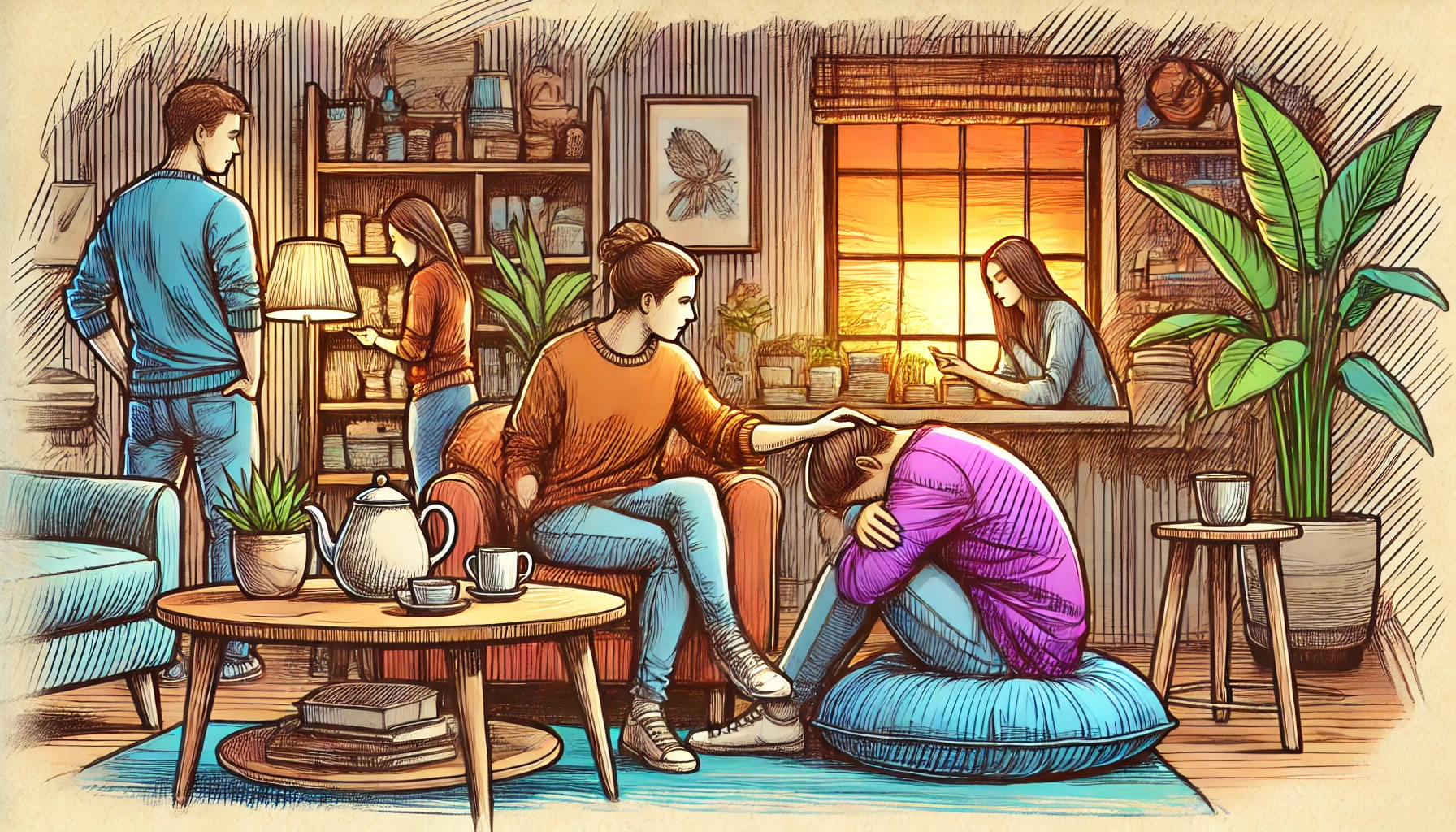
Friendship plays a crucial role in our lives, offering support, joy, and a sense of belonging. During mental health crises, the importance of true friends becomes even more significant. They provide a lifeline, offering understanding, compassion, and practical help when it is needed most. This blog delves into ten inspiring stories of friendship during mental health crises, highlighting the profound impact that supportive friends can have.
Mental health crises can be overwhelming, isolating, and terrifying. However, with the right support system, individuals can navigate these challenging times more effectively. The following stories illustrate the power of friendship in the face of mental health struggles, demonstrating how friends can provide not just emotional support, but also practical assistance, understanding, and hope.
1. A Friend’s Unwavering Support
- Sarah was diagnosed with severe depression and often felt hopeless.
- Her friend, Jane, committed to visiting her every day, ensuring she never felt alone.
- Jane’s presence provided Sarah with a sense of stability and safety.
- They engaged in simple activities like watching movies or taking short walks.
- Jane’s consistent support was pivotal in Sarah’s recovery journey.
2. The Power of Listening
- Mark experienced severe anxiety, leading to frequent panic attacks.
- His friend, Alex, learned about active listening to better support him.
- Alex would spend hours listening to Mark without judgment, providing a safe space.
- This validation of Mark’s feelings helped him feel understood and less alone.
- The bond between them strengthened as Alex’s empathy played a crucial role in Mark’s coping mechanism.
3. Encouraging Professional Help
- Emily struggled with bipolar disorder but was hesitant to seek professional help.
- Her friend, Lucy, researched mental health resources and gently encouraged her to see a therapist.
- Lucy accompanied Emily to her first few appointments, easing her anxiety.
- This practical support helped Emily commit to her treatment plan.
- Over time, Emily’s condition improved significantly with consistent therapy and medication.
4. Providing Practical Assistance
- James faced debilitating depression, making daily tasks feel impossible.
- His friend, Tom, stepped in to help with chores, cooking, and even managing appointments.
- Tom’s practical assistance alleviated some of James’ burdens, allowing him to focus on recovery.
- They also developed a routine, which provided James with structure and predictability.
- This hands-on support was instrumental in James’s gradual return to normalcy.
5. Creating a Safe Space
- Laura experienced severe PTSD after a traumatic event.
- Her friend, Emma, offered her home as a safe haven whenever Laura needed to escape her triggers.
- Emma educated herself on PTSD to better understand Laura’s needs.
- They implemented calming routines, such as yoga and meditation, which helped Laura find peace.
- Emma’s dedication to providing a safe space was crucial in Laura’s healing process.
6. Encouraging Positive Distractions
- Daniel’s anxiety and depression made it difficult for him to engage in social activities.
- His friend, Sam, introduced him to new hobbies like painting and hiking.
- These activities provided a positive distraction and a way for Daniel to express himself.
- Sam’s encouragement helped Daniel find joy and a sense of accomplishment.
- This approach significantly improved Daniel’s mood and outlook on life.
7. Being a Constant Presence
- Olivia’s panic attacks were frequent and intense, often leaving her feeling isolated.
- Her friend, Rachel, made it a point to be available anytime Olivia needed support, even in the middle of the night.
- Rachel’s consistent presence provided Olivia with comfort and reassurance.
- They developed coping strategies together, such as breathing exercises and grounding techniques.
- Rachel’s reliability and dedication were vital in helping Olivia manage her panic attacks.
8. Sharing Personal Experiences
- Michael felt isolated in his struggle with depression, believing no one understood his pain.
- His friend, David, opened up about his own past mental health challenges.
- This shared vulnerability created a deeper connection and made Michael feel less alone.
- They supported each other through regular check-ins and honest conversations.
- David’s willingness to share his experiences provided Michael with hope and a sense of solidarity.
9. Advocating for Their Needs
- Amy’s severe anxiety often made social situations unbearable.
- Her friend, Nina, would advocate on her behalf in group settings, ensuring Amy felt comfortable and included.
- Nina educated their mutual friends about Amy’s anxiety to foster understanding and support.
- This proactive approach helped Amy feel safer and more accepted.
- Nina’s advocacy was a significant factor in Amy’s ability to maintain social connections.
10. Celebrating Small Victories
- Ethan’s struggle with OCD made daily tasks incredibly challenging.
- His friend, Brian, celebrated even the smallest victories, like completing a task without ritualistic behavior.
- This positive reinforcement boosted Ethan’s confidence and motivation.
- They kept a journal of these achievements, providing tangible evidence of progress.
- Brian’s encouragement and recognition of Ethan’s efforts were essential in his ongoing battle with OCD.
Conclusion
Friendship during mental health crises is not just about being there; it’s about understanding, supporting, and actively participating in the healing process. These stories highlight the various ways friends can make a profound impact, from providing a listening ear to offering practical help and advocating for their needs. The strength and compassion shown in these friendships provide hope and remind us of the incredible power of supportive relationships.
True friends are those who stand by us in our darkest times, offering light and hope. They play a crucial role in our mental health journeys, helping us navigate the challenges and celebrating our victories, no matter how small. By fostering such friendships, we can create a supportive network that promotes mental well-being and resilience.