
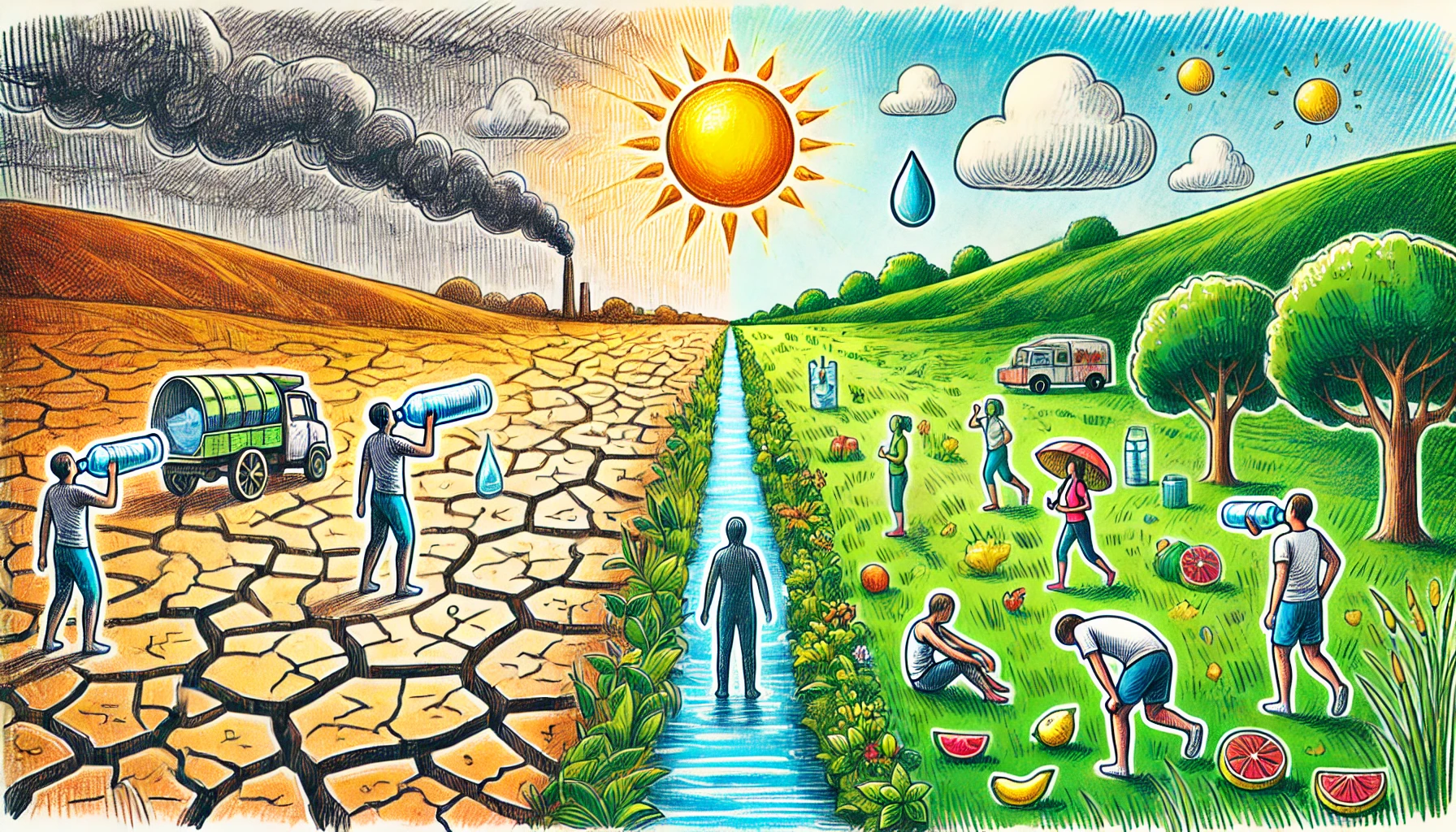
Dehydration occurs when your body loses more fluids than it takes in, leading to an insufficient amount of water to carry out normal bodily functions. This condition can affect people of all ages and can have serious health consequences if not addressed promptly. Understanding the signs of dehydration and knowing how to avoid it is crucial for maintaining overall health and well-being. This guide provides detailed information on the symptoms of dehydration, its causes, and effective strategies to stay adequately hydrated.
Water is essential for various bodily functions, including regulating body temperature, maintaining electrolyte balance, and supporting metabolic processes. Dehydration can impair these functions, leading to a range of symptoms from mild to severe. Early detection of dehydration signs and implementing preventive measures can help you stay healthy and active. This comprehensive guide aims to equip you with the knowledge needed to recognize and avoid dehydration effectively.
1. Common Signs of Dehydration
- Dry Mouth and Throat: One of the earliest and most noticeable signs of dehydration is a dry mouth and throat, indicating a lack of sufficient saliva production.
- Dark Yellow Urine: Dark yellow or amber-colored urine often signifies dehydration, as the urine becomes more concentrated with less water.
- Fatigue and Weakness: Dehydration can cause feelings of tiredness and general weakness due to reduced blood volume and oxygen supply to muscles.
- Dizziness and Lightheadedness: A drop in blood pressure from dehydration can lead to dizziness and lightheadedness, particularly when standing up quickly.
- Dry Skin and Lips: Dehydration can cause the skin to lose elasticity and become dry and flaky, along with chapped lips.
2. Severe Symptoms of Dehydration
- Rapid Heartbeat: Severe dehydration can cause an elevated heart rate as the body tries to maintain blood pressure and circulation.
- Sunken Eyes: A noticeable symptom in severe dehydration is sunken eyes, which can appear hollow or dark.
- Low Blood Pressure: Dehydration can significantly lower blood pressure, leading to potential complications such as fainting.
- Confusion and Irritability: Severe dehydration affects cognitive function, leading to confusion, irritability, and difficulty concentrating.
- No Urine Output: A severe sign of dehydration is the inability to urinate, indicating a critical level of fluid deficiency in the body.
3. Causes of Dehydration
- Inadequate Water Intake: Not drinking enough water throughout the day is the most direct cause of dehydration.
- Excessive Sweating: Activities that cause excessive sweating, such as exercise or exposure to high temperatures, can lead to significant fluid loss.
- Illness: Conditions that cause vomiting, diarrhea, or fever increase fluid loss and the risk of dehydration.
- Diuretics: Certain medications and substances, like caffeine and alcohol, act as diuretics and increase urine production, leading to potential dehydration.
- High Altitudes: Higher altitudes can increase fluid loss through respiration and perspiration, raising the risk of dehydration.
4. Hydration Guidelines
- Daily Water Intake: Aim to drink at least eight 8-ounce glasses of water a day, though individual needs may vary based on factors like age, weight, and activity level.
- Adjust for Activity Levels: Increase your water intake during periods of increased physical activity to compensate for fluid loss through sweat.
- Hydrate with Meals: Drinking water with meals can help maintain hydration levels and aid in digestion.
- Listen to Your Body: Pay attention to thirst cues and drink water whenever you feel thirsty.
- Monitor Urine Color: Use the color of your urine as a hydration gauge; light yellow indicates proper hydration, while darker shades suggest a need for more water.
5. Hydrating Foods and Beverages
- Water-Rich Fruits: Include fruits like watermelon, strawberries, oranges, and cucumbers in your diet for added hydration.
- Vegetables: Vegetables such as lettuce, celery, and zucchini have high water content and can contribute to your daily fluid intake.
- Soups and Broths: Liquid-based foods are excellent for increasing fluid intake while providing essential nutrients.
- Herbal Teas: Caffeine-free herbal teas can be a great hydrating beverage option.
- Electrolyte Drinks: Sports drinks containing electrolytes can be beneficial, especially during intense physical activity or hot weather.
6. Tips for Staying Hydrated
- Carry a Water Bottle: Always have a reusable water bottle with you to make it easy to drink water throughout the day.
- Set Reminders: Use phone alarms or hydration apps to remind you to drink water at regular intervals.
- Flavor Your Water: Add natural flavors like lemon, mint, or cucumber slices to your water to make it more appealing.
- Drink Before Thirst: Don’t wait until you’re thirsty to drink water; aim to drink regularly throughout the day.
- Hydrate During Exercise: Drink water before, during, and after exercise to replenish fluids lost through sweat.
7. Special Considerations for Different Populations
- Children: Encourage children to drink water regularly, especially during playtime and physical activities.
- Elderly Adults: Older adults may have a reduced sense of thirst; remind them to drink water frequently.
- Pregnant and Breastfeeding Women: These women need additional fluids to support their health and their baby’s development.
- Athletes: Athletes should focus on pre-hydration, hydration during exercise, and rehydration post-exercise to maintain optimal performance.
- People with Medical Conditions: Individuals with conditions like diabetes or kidney disease should follow specific hydration guidelines provided by their healthcare provider.
8. Impact of Dehydration on Health
- Physical Performance: Dehydration can significantly impair physical performance, reducing strength, endurance, and coordination.
- Cognitive Function: Even mild dehydration can affect cognitive abilities, leading to decreased concentration, memory, and alertness.
- Mood and Mental Health: Dehydration can negatively impact mood, increasing the risk of anxiety and depression.
- Kidney Function: Chronic dehydration can lead to kidney stones and other renal issues.
- Digestive Health: Inadequate hydration can cause constipation and other digestive problems.
9. Preventing Dehydration in Hot Weather
- Stay Indoors: During peak heat hours, try to stay indoors in a cool, air-conditioned environment.
- Wear Light Clothing: Opt for light-colored, loose-fitting clothes to reduce heat absorption and promote sweat evaporation.
- Avoid Direct Sunlight: Use hats, sunglasses, and sunscreen to protect yourself from direct sunlight.
- Take Breaks: If working or exercising outside, take frequent breaks in the shade and drink water regularly.
- Consume Hydrating Foods: Include hydrating snacks like fruits and vegetables in your diet during hot weather.
10. Innovative Hydration Solutions
- Smart Water Bottles: These bottles track your water intake and remind you to drink regularly through alerts and notifications.
- Hydration Apps: Use smartphone apps designed to help you monitor and maintain your daily water intake.
- Flavor Enhancers: Natural flavor enhancers can make drinking water more enjoyable without added sugars.
- Electrolyte Tablets: Dissolve these tablets in water to replace electrolytes lost through sweat, particularly useful for athletes.
- Infused Water: Use infusion bottles to add fruits, herbs, and vegetables to your water for a refreshing and flavorful drink.
Recognizing the signs of dehydration and implementing effective strategies to stay hydrated is essential for maintaining optimal health and well-being. By understanding the symptoms and causes of dehydration, you can take proactive steps to ensure you consume adequate fluids daily. Incorporating water-rich foods, using innovative hydration solutions, and adjusting your intake based on activity levels and environmental conditions can help prevent dehydration and support your overall health. Make hydration a priority and enjoy the numerous benefits it offers.