
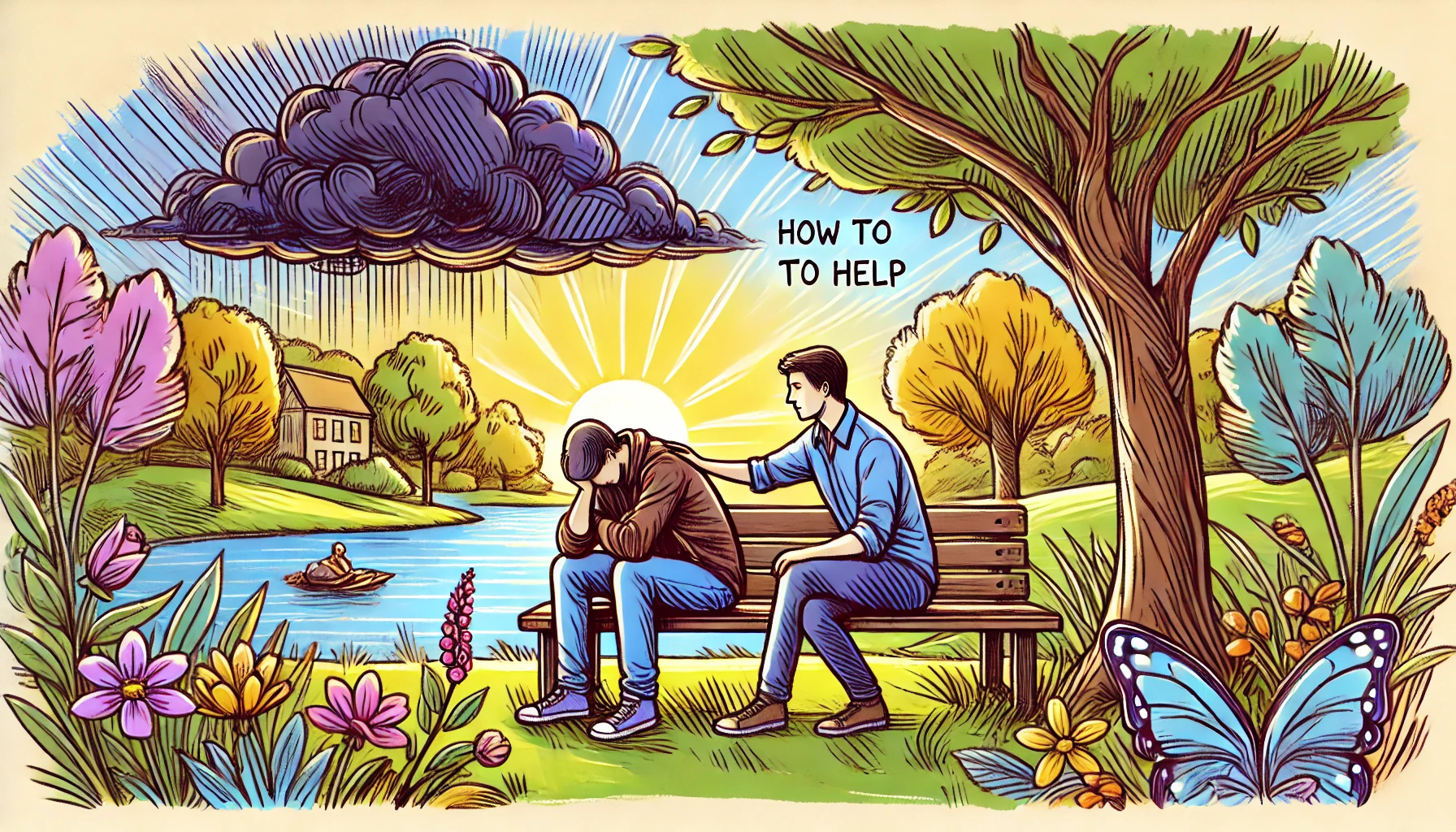
Recognizing the signs that a friend may be struggling with mental health issues is crucial for offering timely and effective support. Mental health struggles can manifest in various ways, and being aware of these signs can help you intervene and provide the necessary help. This guide outlines the common indicators of mental health issues and offers practical advice on how to support a friend in need.
Understanding the signs of mental health struggles and knowing how to help can make a significant difference in your friend’s life. By offering support with empathy and sensitivity, you can help them navigate their challenges and seek professional assistance if needed. Here are the key signs to watch out for and the steps you can take to help.
1. Behavioral Changes
- Withdrawal from Social Activities: Noticeable withdrawal from social activities or a lack of interest in hobbies they once enjoyed.
- Isolating Themselves: Spending an unusual amount of time alone and avoiding interactions with friends and family.
- Changes in Daily Routine: Significant changes in daily routines, such as disrupted sleep patterns or eating habits.
- Increased Substance Use: Increased use of alcohol or drugs as a coping mechanism.
- Neglecting Responsibilities: Neglecting responsibilities at work, school, or home.
2. Emotional Signs
- Persistent Sadness: Experiencing prolonged periods of sadness or tearfulness.
- Irritability and Anger: Exhibiting increased irritability, frustration, or anger without clear reasons.
- Mood Swings: Experiencing frequent and intense mood swings.
- Anxiety and Worry: Showing signs of constant anxiety or excessive worry.
- Feelings of Hopelessness: Expressing feelings of hopelessness or worthlessness.
3. Physical Symptoms
- Fatigue: Constantly feeling tired or lacking energy, even after adequate rest.
- Changes in Appearance: Neglecting personal hygiene or a noticeable change in appearance.
- Unexplained Aches and Pains: Complaining of unexplained physical aches and pains.
- Sleep Disturbances: Experiencing insomnia, oversleeping, or other sleep disturbances.
- Appetite Changes: Significant changes in appetite or weight, either loss or gain.
4. Cognitive Changes
- Difficulty Concentrating: Struggling to concentrate, focus, or remember things.
- Indecisiveness: Increased difficulty making decisions or completing tasks.
- Negative Thought Patterns: Frequent negative thoughts or self-critical thinking.
- Reduced Productivity: Decline in productivity at work, school, or daily tasks.
- Disorganized Thinking: Disorganized or confused thinking.
5. Verbal Cues
- Expressions of Despair: Talking about feeling hopeless, helpless, or trapped.
- Self-Harm Talk: Mentioning thoughts of self-harm or suicide, even if said casually.
- Withdrawal from Conversations: Becoming less communicative or responsive in conversations.
- Negative Self-Talk: Frequently speaking negatively about themselves or their abilities.
- Seeking Reassurance: Constantly seeking reassurance or validation from others.
6. Helping Your Friend
Approach with Empathy
- Express Concern: Gently express your concern by mentioning specific behaviors you’ve noticed without being accusatory.
- Listen Actively: Offer a listening ear without interrupting or judging, showing empathy and understanding.
- Validate Feelings: Validate their feelings by acknowledging their emotions and experiences.
- Avoid Minimizing: Avoid minimizing their struggles or offering clichéd advice like “just cheer up.”
- Be Patient: Be patient and give them time to open up at their own pace.
Encourage Professional Help
- Normalize Therapy: Normalize seeking professional help by discussing the benefits of therapy and counseling.
- Offer Assistance: Offer to help them find a therapist or mental health professional.
- Support Their Decision: Support their decision to seek help and encourage them to stick with it.
- Accompany Them: If they are comfortable, offer to accompany them to their first appointment.
- Share Resources: Share resources such as crisis hotlines, mental health websites, or local support groups.
Provide Practical Support
- Daily Check-Ins: Check in with them regularly to see how they are doing and offer support.
- Help with Tasks: Offer to help with daily tasks or responsibilities they may be struggling with.
- Encourage Self-Care: Encourage them to engage in self-care activities that they enjoy.
- Plan Activities: Plan activities that you can do together to provide a distraction and lift their spirits.
- Be Consistent: Consistently offer your support, even if they don’t always accept it.
Foster a Supportive Environment
- Create a Safe Space: Create a safe and non-judgmental space where they feel comfortable sharing their feelings.
- Respect Boundaries: Respect their boundaries and avoid pushing them to share more than they are comfortable with.
- Be Inclusive: Include them in social activities and gatherings, ensuring they feel valued and included.
- Avoid Pressure: Avoid pressuring them to “snap out of it” or “be positive,” which can be counterproductive.
- Show Understanding: Show understanding and empathy for their situation, recognizing that mental health struggles are complex.
Conclusion
Recognizing the signs that a friend may be struggling with mental health issues is the first step in offering meaningful support. By being aware of behavioral, emotional, physical, cognitive, and verbal cues, you can identify when your friend may need help. Approaching them with empathy, encouraging professional help, providing practical support, and fostering a supportive environment are crucial steps in helping them navigate their mental health challenges. Your support can make a significant difference in their journey toward well-being, strengthening your friendship and promoting mutual resilience.