
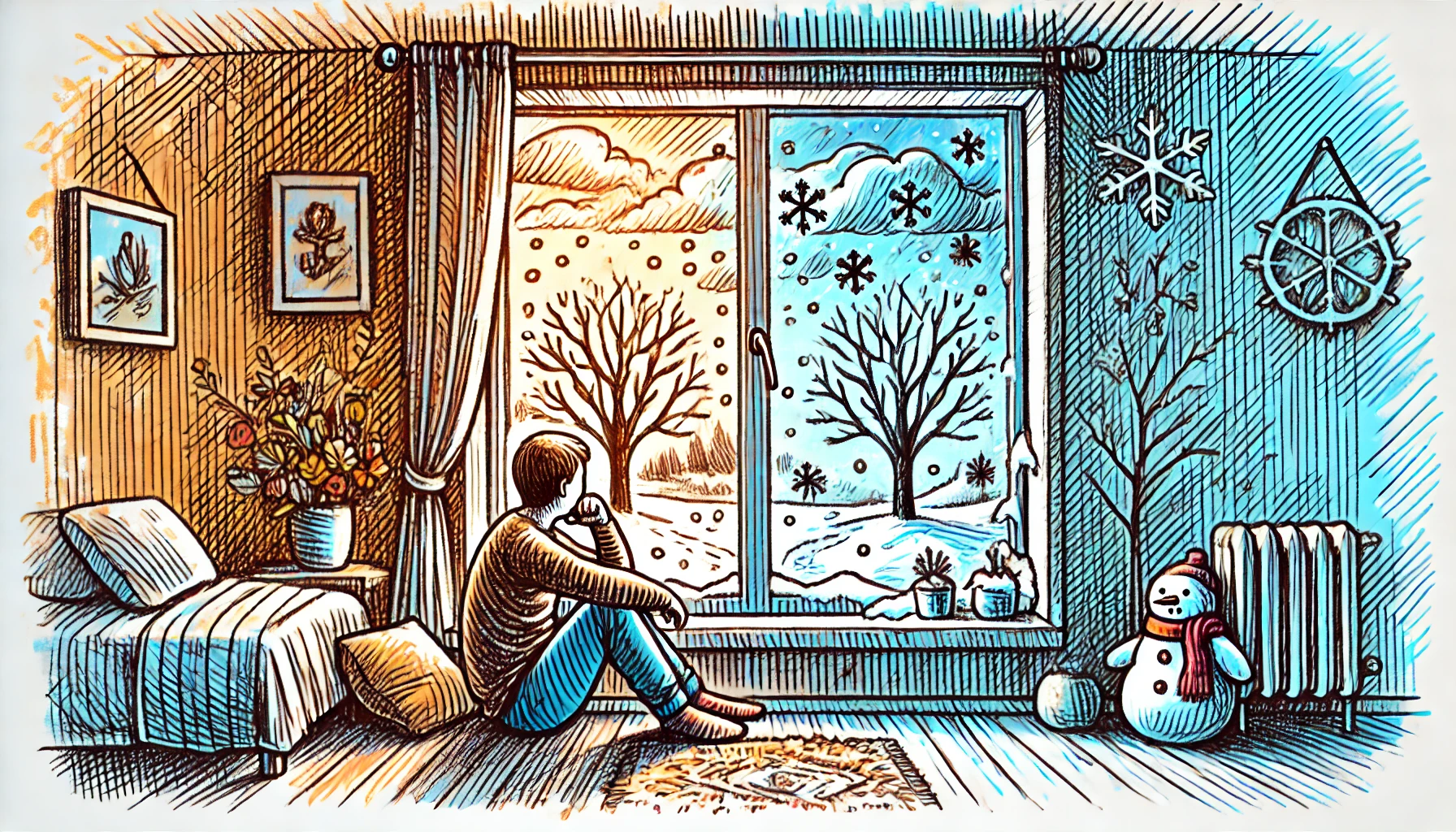
Seasonal Affective Disorder (SAD) is a type of depression that occurs at specific times of the year, typically during the fall and winter months. It’s more than just feeling down during the colder seasons; it’s a recurring depressive disorder that can significantly affect an individual’s mood, energy levels, and overall quality of life. SAD is believed to be triggered by changes in the environment, particularly the reduction in sunlight, which affects the body’s internal clock and the production of certain hormones.
People with SAD often experience symptoms such as low energy, oversleeping, weight gain, and a pervasive sense of sadness or hopelessness. While the exact cause of SAD is not entirely understood, researchers have identified several factors that contribute to its onset. These include alterations in circadian rhythms, serotonin levels, and melatonin production. Understanding why some people develop SAD in winter can help in managing the condition effectively through lifestyle changes, light therapy, and other treatments.
1. Reduced Sunlight Exposure
- Circadian Rhythm Disruption: The body’s internal clock, or circadian rhythm, is influenced by light exposure. Reduced sunlight during winter months can disrupt this rhythm, leading to feelings of depression and fatigue.
- Serotonin Production: Sunlight plays a role in regulating serotonin, a neurotransmitter that affects mood. Less sunlight can result in lower serotonin levels, contributing to depressive symptoms.
- Vitamin D Deficiency: Sunlight exposure is necessary for the body to produce vitamin D, which is linked to mood regulation. Low vitamin D levels have been associated with an increased risk of depression.
- Impact on Energy Levels: Lack of sunlight can make individuals feel more lethargic and less motivated, which can exacerbate the symptoms of SAD.
- Geographical Variation: People living in regions with long winters and limited sunlight are more prone to developing SAD due to the extended periods of darkness.
2. Changes in Melatonin Levels
- Melatonin and Sleep: Melatonin is a hormone that regulates sleep-wake cycles. Darkness prompts the body to produce more melatonin, which can cause increased sleepiness during the winter months.
- Sleep Patterns: People with SAD may experience changes in their sleep patterns, such as hypersomnia (excessive sleep) or difficulty waking up in the morning, due to elevated melatonin levels.
- Mood Regulation: Melatonin is also linked to mood regulation. Higher levels can contribute to the development of depressive symptoms, including irritability and anxiety.
- Delayed Sleep Phase: Some individuals with SAD may experience a delayed sleep phase, where they feel more alert in the evening and have difficulty falling asleep at a conventional bedtime.
- Light Therapy: Exposure to bright light in the morning can help regulate melatonin production and improve mood and energy levels, making light therapy an effective treatment for SAD.
3. Serotonin Imbalance
- Role of Serotonin: Serotonin is a neurotransmitter that plays a crucial role in mood regulation, appetite, and sleep. A deficiency in serotonin is often linked to depression.
- Seasonal Variation: During the winter months, decreased sunlight can lead to lower serotonin activity, which can trigger symptoms of depression in susceptible individuals.
- Carbohydrate Cravings: People with SAD often experience an increased craving for carbohydrates, which can temporarily boost serotonin levels but may lead to weight gain and a subsequent cycle of low mood.
- SSRI Medications: Selective serotonin reuptake inhibitors (SSRIs) are often prescribed to increase serotonin levels and alleviate symptoms of SAD.
- Natural Remedies: In addition to medication, activities that boost serotonin naturally, such as exercise and a healthy diet, can help manage SAD symptoms.
4. Genetic Predisposition
- Family History: Individuals with a family history of depression or other mood disorders may be more susceptible to developing SAD. This suggests a genetic component to the disorder.
- Biological Vulnerability: Some people may have a biological vulnerability to seasonal changes in light and temperature, making them more prone to developing SAD.
- Neurotransmitter Sensitivity: Genetic differences in neurotransmitter regulation, such as serotonin and melatonin, can influence how one responds to seasonal changes.
- Twin Studies: Research involving twins has shown that there is a higher concordance rate for SAD in identical twins compared to fraternal twins, indicating a genetic influence.
- Inherited Traits: Traits such as a heightened sensitivity to light or a tendency towards low mood in response to environmental stressors can be inherited and may increase the risk of SAD.
5. Impact of Lifestyle Factors
- Outdoor Activity Levels: People who spend less time outdoors during the winter are at a higher risk of developing SAD due to reduced sunlight exposure. An indoor lifestyle can exacerbate the effects of shorter daylight hours.
- Exercise and Physical Activity: Regular exercise can help boost mood by increasing serotonin and endorphin levels. Lack of physical activity during winter can contribute to the development of SAD.
- Dietary Habits: Poor dietary habits, such as consuming high amounts of sugar and carbohydrates, can affect mood and energy levels, potentially worsening SAD symptoms.
- Social Interaction: Reduced social interaction during the colder months can lead to feelings of isolation and loneliness, which can contribute to the development of SAD.
- Stress Management: High levels of stress, especially during the winter season when SAD is more prevalent, can exacerbate symptoms and make it harder to cope with daily challenges.
6. Psychological Factors
- Negative Associations with Winter: Individuals who have experienced traumatic events or significant stress during winter months in the past may develop negative associations with this season, triggering SAD symptoms.
- Cognitive Patterns: People with SAD may have a tendency towards negative thinking patterns, such as rumination or pessimism, which can be exacerbated by the darkness and cold of winter.
- Lack of Motivation: The decreased energy levels and motivation associated with SAD can lead to a cycle of inactivity and social withdrawal, further worsening the condition.
- Seasonal Expectations: Cultural expectations and societal pressures during winter holidays can also play a role in SAD. The contrast between societal ideals of joy and an individual’s feelings of depression can lead to increased stress and sadness.
- Therapeutic Interventions: Cognitive-behavioral therapy (CBT) can be effective in addressing the negative thought patterns associated with SAD and developing coping strategies.
7. Prevalence and Demographics
- Gender Differences: Women are more likely to be diagnosed with SAD than men, with some studies suggesting that women are up to four times more likely to experience the disorder.
- Age Factors: SAD is more common in younger adults, with the typical onset occurring between ages 18 and 30. However, it can affect individuals at any age.
- Geographical Influence: Prevalence rates are higher in regions farther from the equator, where there is a more significant variation in daylight hours throughout the year.
- Urban vs. Rural: People living in urban areas may have a higher risk of developing SAD due to reduced natural light exposure compared to those in rural settings.
- Comorbidity: SAD often co-occurs with other mental health conditions, such as generalized anxiety disorder, major depressive disorder, and substance use disorders, complicating its diagnosis and treatment.
8. Treatment Options
- Light Therapy: One of the most effective treatments for SAD is light therapy, which involves exposure to a bright light that mimics natural sunlight. This can help regulate circadian rhythms and improve mood.
- Medication: Antidepressants, particularly SSRIs, can be prescribed to help manage the symptoms of SAD by increasing serotonin levels in the brain.
- Psychotherapy: Cognitive-behavioral therapy (CBT) is effective in treating SAD by helping individuals change negative thought patterns and develop coping strategies.
- Lifestyle Changes: Encouraging regular physical activity, a healthy diet, and adequate sleep can help alleviate the symptoms of SAD and improve overall well-being.
- Vitamin D Supplementation: Taking vitamin D supplements may help counteract the effects of reduced sunlight exposure during the winter months, though its efficacy varies from person to person.
9. Prevention Strategies
- Maximize Sunlight Exposure: Spend time outdoors during daylight hours, even on cloudy days, to maximize natural light exposure. Sitting near windows or using daylight bulbs can also help.
- Maintain a Regular Routine: Establishing a regular sleep and wake schedule can help regulate the body’s internal clock and mitigate the effects of SAD.
- Exercise Regularly: Physical activity can boost mood and energy levels by increasing the production of endorphins and serotonin, helping to counteract the symptoms of SAD.
- Monitor Diet: Eating a balanced diet rich in nutrients can support overall mental health and help prevent the onset of SAD symptoms.
- Plan Social Activities: Stay connected with friends and family during the winter months to combat feelings of isolation and maintain a positive outlook.
10. Importance of Early Intervention
- Early Detection: Recognizing the symptoms of SAD early can lead to prompt intervention, reducing the severity and duration of depressive episodes.
- Comprehensive Assessment: A thorough evaluation by a healthcare professional can help differentiate SAD from other forms of depression and develop an appropriate treatment plan.
- Regular Monitoring: Individuals with a history of SAD should monitor their symptoms and seek support if they notice early signs of recurrence as the seasons change.
- Proactive Treatment: Starting treatment, such as light therapy or medication, before the onset of symptoms in the fall can help prevent the full development of SAD.
- Support Systems: Building a strong support network of family, friends, and mental health professionals can provide the necessary resources and encouragement to manage SAD effectively.
Conclusion
Seasonal Affective Disorder (SAD) is a complex condition that significantly affects individuals during the fall and winter months. It is characterized by symptoms such as low energy, hypersomnia, and a pervasive sense of sadness, often triggered by the lack of sunlight and changes in circadian rhythms. Understanding the underlying causes of SAD, including the role of melatonin and serotonin imbalances, genetic predisposition, and lifestyle factors, is crucial for effective management and treatment.
Effective treatment for SAD involves a combination of light therapy, medication, psychotherapy, and lifestyle modifications. Early intervention and proactive strategies, such as maximizing sunlight exposure and maintaining a regular routine, can help mitigate the impact of SAD. By raising awareness and providing support, we can help individuals affected by SAD to lead healthier, more fulfilling lives during the winter months.