
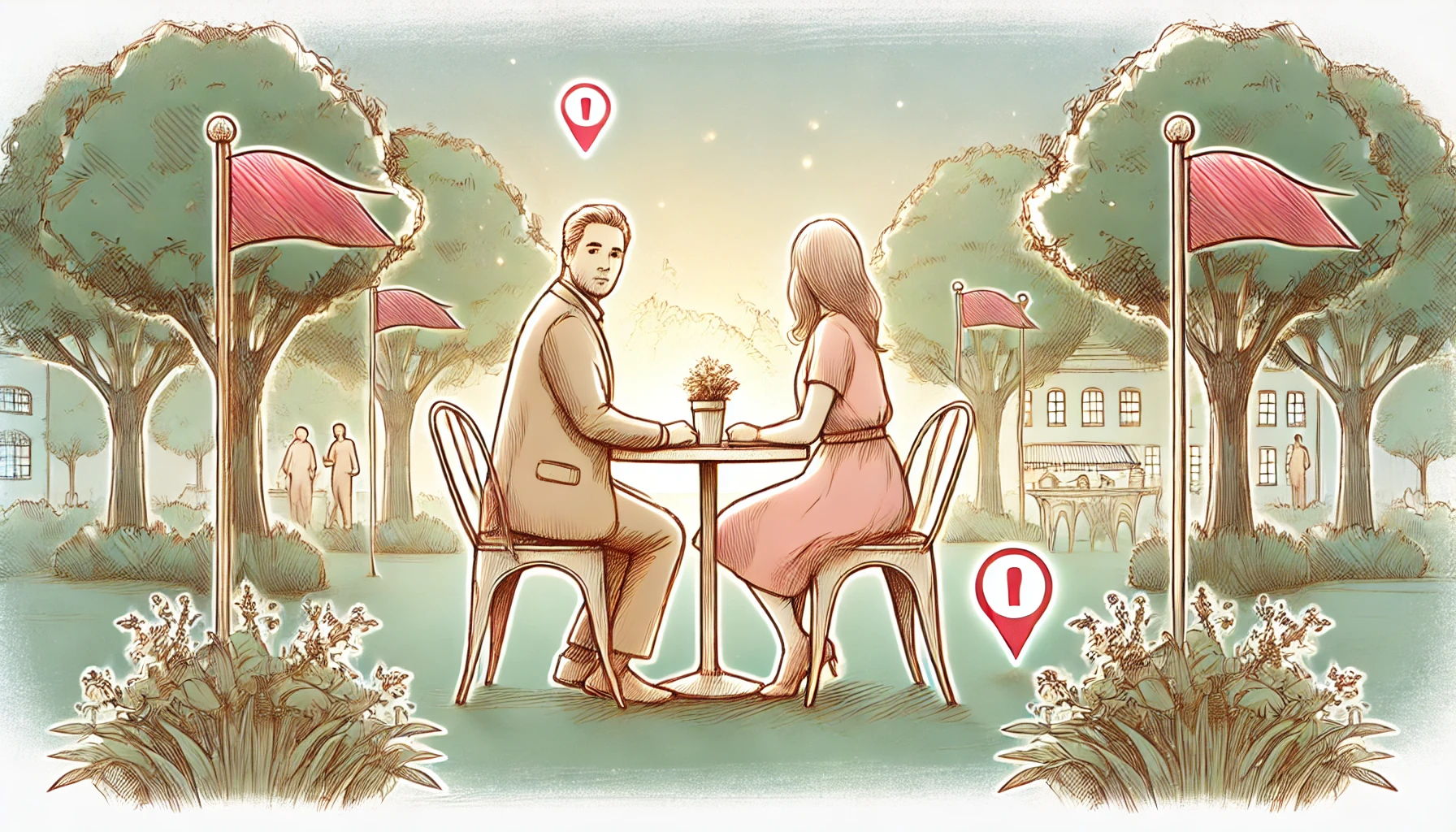
Dating can be an exciting journey, but it’s crucial to remain vigilant and aware of potential red flags that may indicate a less-than-ideal match or even dangerous situations. Recognizing these warning signs early on can help you protect your emotional well-being and safety. By being mindful of certain behaviors and traits, you can make more informed decisions about who you choose to date and potentially build a healthier relationship.
Understanding and identifying red flags can save you time and heartache. These signs can range from subtle behaviors to blatant actions that should not be ignored. Here are ten red flags to watch out for in dating.
1. Lack of Consistency
- Frequent cancellations or rescheduling of dates can indicate a lack of genuine interest or respect for your time.
- Inconsistent communication patterns, such as disappearing for days without explanation, can signal unreliability or other commitments.
- Sudden changes in behavior or mood without a clear reason can be a red flag for instability.
- If their words and actions don’t align, it may indicate dishonesty or manipulation.
- Consistency in behavior and communication is crucial for building trust and reliability in a relationship.
2. Excessive Control or Jealousy
- Wanting to know your whereabouts constantly or insisting on accompanying you everywhere can be a sign of controlling behavior.
- Frequent jealousy over your interactions with friends or family may indicate insecurity and possessiveness.
- Attempting to dictate your choices, such as what you wear or who you spend time with, is a significant red flag.
- Monitoring your phone or social media activity without your consent breaches your privacy and trust.
- Healthy relationships are built on trust and respect for each other’s independence.
3. Avoidance of Personal Questions
- Being evasive or reluctant to share basic personal information can indicate dishonesty or hiding something significant.
- Avoiding questions about their past relationships or background might signal unresolved issues or deceit.
- If they deflect questions about their current situation, such as their job or living arrangements, it’s a red flag.
- Transparency is essential in a relationship; unwillingness to be open can hinder trust.
- Genuine connections require a willingness to share and be vulnerable with each other.
4. Lack of Respect
- Disrespectful behavior towards you, such as belittling comments or dismissive attitudes, should not be tolerated.
- How they treat others, such as waitstaff or strangers, can reveal their true character.
- Ignoring your boundaries or pressuring you into uncomfortable situations shows a lack of respect for your autonomy.
- Consistent negative or sarcastic comments can erode your self-esteem and happiness.
- Mutual respect is the foundation of any healthy relationship.
5. Overly Critical or Negative Attitude
- Constantly criticizing you or making you feel inadequate can be emotionally damaging.
- Negative comments about their exes or people in their life can indicate unresolved anger or bitterness.
- Pessimistic attitudes towards life and future prospects can be draining and impact your own outlook.
- Emotional manipulation through guilt-tripping or constant negativity is a serious red flag.
- Positive and supportive communication fosters a healthy and uplifting relationship environment.
6. Rushing the Relationship
- Pressuring you to move too quickly, such as wanting to become exclusive or discuss future plans early on, can be overwhelming.
- Insisting on meeting friends and family or moving in together prematurely can indicate ulterior motives.
- Declaring love or deep feelings very early in the relationship can be a tactic to create dependency.
- Rushing physical intimacy without considering your comfort level is a major red flag.
- A healthy relationship progresses naturally, respecting both parties’ pace and comfort.
7. History of Dishonesty
- Admitting to frequent lies or deceit in past relationships can indicate a pattern of dishonesty.
- Being caught in lies, even small ones, can erode trust and credibility.
- Inconsistencies in their stories or background information should not be ignored.
- Dishonesty about significant issues, such as their relationship status or intentions, is a serious red flag.
- Trust is essential for a strong relationship; a history of lying undermines this foundation.
8. Unresolved Issues from the Past
- Frequently bringing up past relationship trauma without showing signs of healing can indicate unresolved emotional baggage.
- Holding grudges or being unable to forgive past transgressions might impact your relationship negatively.
- Using past relationships as a constant comparison can create unrealistic expectations.
- Emotional unavailability due to lingering feelings for an ex can prevent a genuine connection with you.
- Addressing and resolving past issues is crucial for a healthy and forward-looking relationship.
9. Isolation from Friends and Family
- Discouraging you from spending time with your friends and family can be a tactic to isolate and control you.
- Trying to monopolize your time and making you feel guilty for wanting personal space is a red flag.
- Negative comments about your loved ones or attempting to create conflicts can damage your support system.
- Refusal to introduce you to their own friends and family can indicate a lack of commitment or hidden aspects of their life.
- Maintaining strong relationships with friends and family is important for your well-being and independence.
10. Frequent Mood Swings
- Rapid changes in mood or behavior, especially without clear triggers, can be a sign of emotional instability.
- Extreme reactions to minor issues can indicate underlying anger or emotional regulation problems.
- Inconsistent affection, such as being very loving one moment and distant the next, can be confusing and unsettling.
- Mood swings accompanied by abusive or aggressive behavior are serious red flags that should not be ignored.
- Emotional stability and consistency are important for a secure and supportive relationship.
Recognizing these red flags in dating can help you protect yourself and make more informed decisions about your relationships. By staying vigilant and trusting your instincts, you can avoid potentially harmful situations and focus on building healthy, positive connections. Remember, your well-being and safety should always come first.