

Premenstrual Dysphoric Disorder (PMDD) is a severe form of premenstrual syndrome (PMS) that significantly impacts a woman’s emotional and physical well-being. Unlike the common symptoms of PMS, which may include bloating, irritability, and mild mood swings, PMDD involves intense mood disturbances, such as severe depression, irritability, and anxiety, that can […]
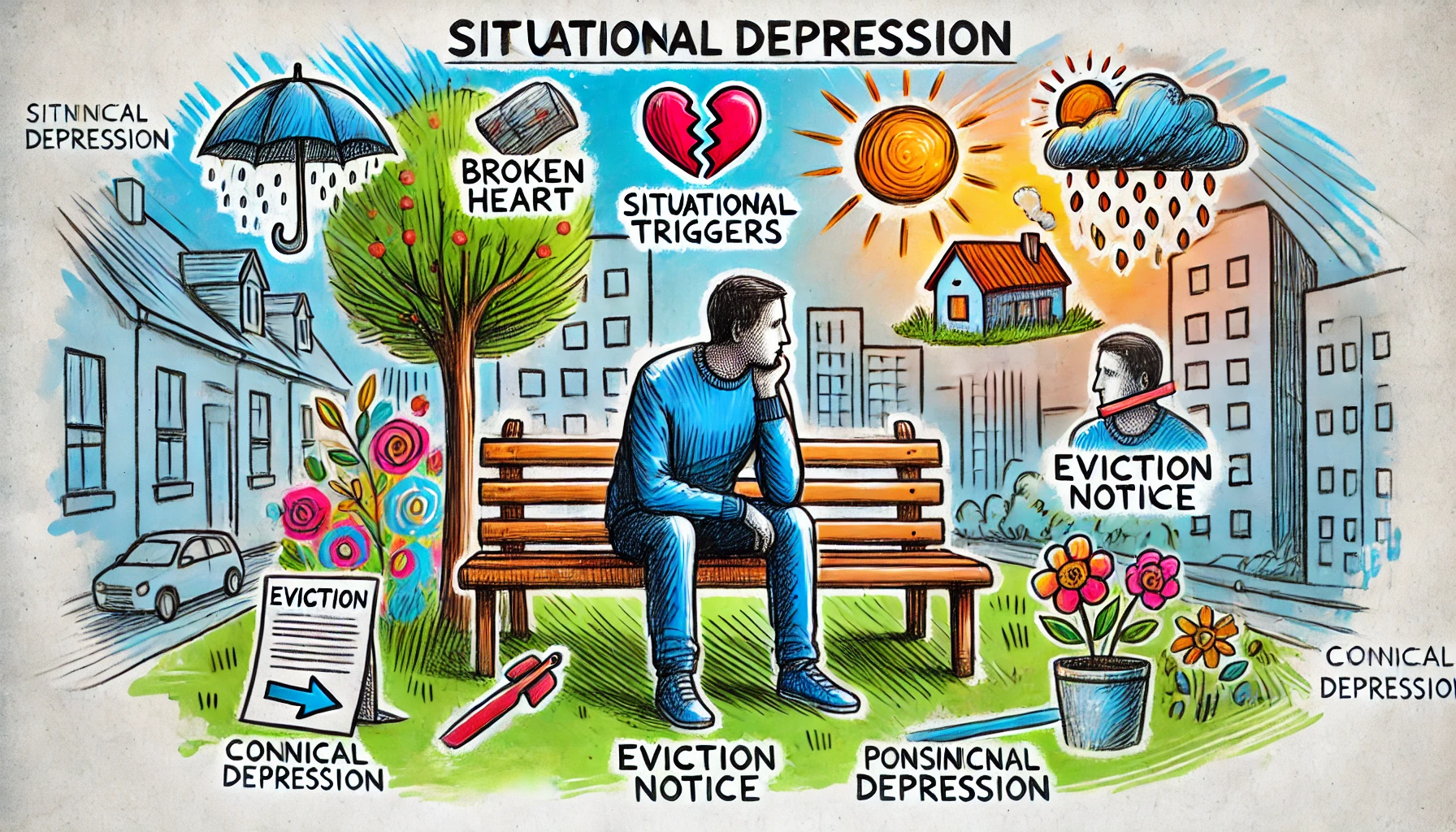
Situational Depression: How It Differs from Clinical Depression
Situational depression, also known as adjustment disorder with depressed mood, is a type of depression triggered by a specific event or situation. It occurs in response to life changes or stressful events such as the loss of a loved one, job loss, divorce, or a significant life transition. Unlike clinical […]
Psychotic Depression: What to Know About This Severe Form
Psychotic depression, also known as major depressive disorder with psychotic features, is a severe mental health condition that combines the intense sadness and hopelessness of major depression with symptoms of psychosis. Psychosis involves a loss of contact with reality, including hallucinations (seeing or hearing things that aren’t there) and delusions […]
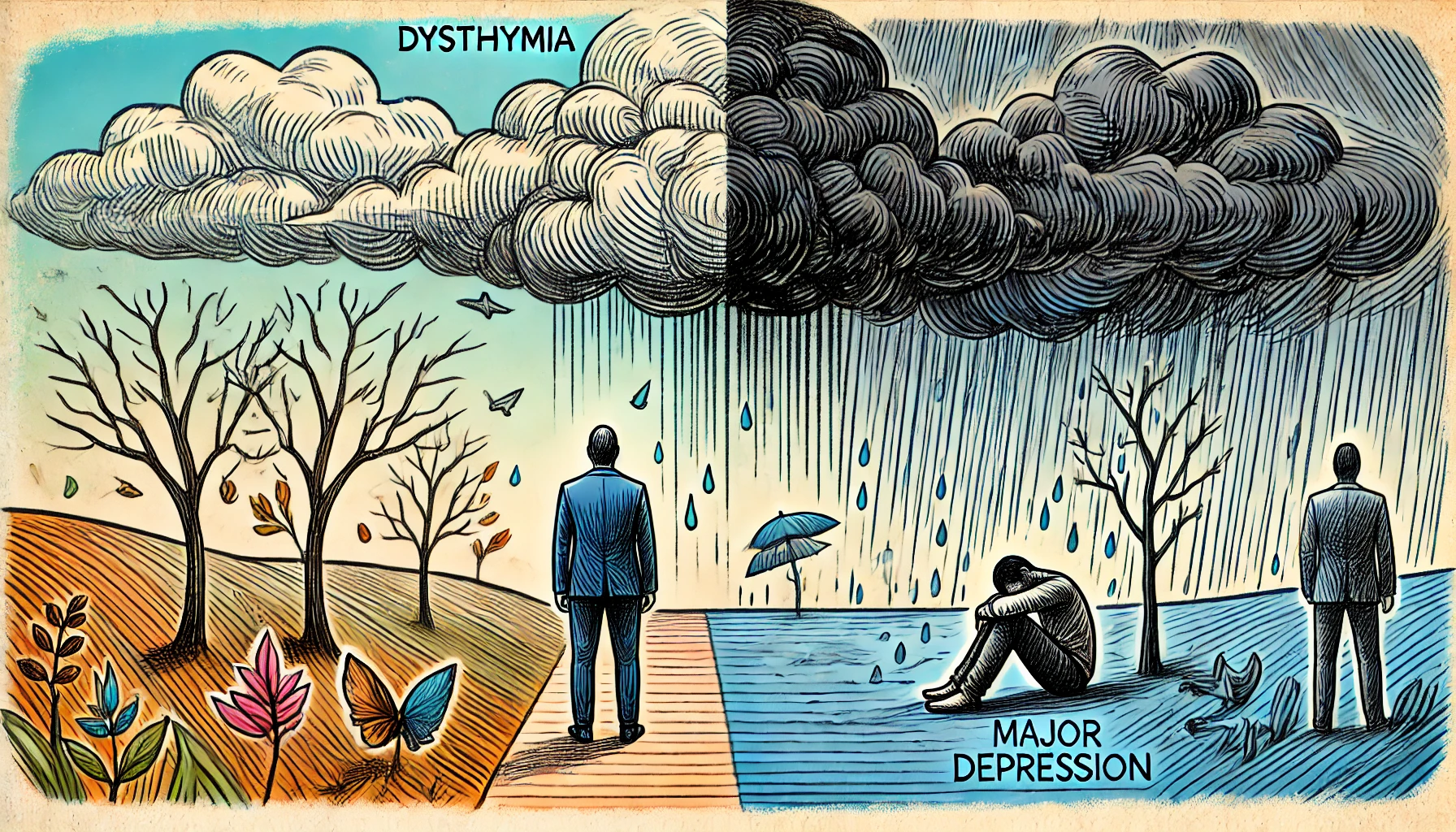
Double Depression: When Dysthymia and Major Depression Coexist
Double depression is a complex and particularly challenging mental health condition where an individual experiences both dysthymia (Persistent Depressive Disorder) and episodes of Major Depressive Disorder (MDD). Dysthymia is characterized by a chronic, low-grade depression that lasts for at least two years, with symptoms that are less severe than those […]
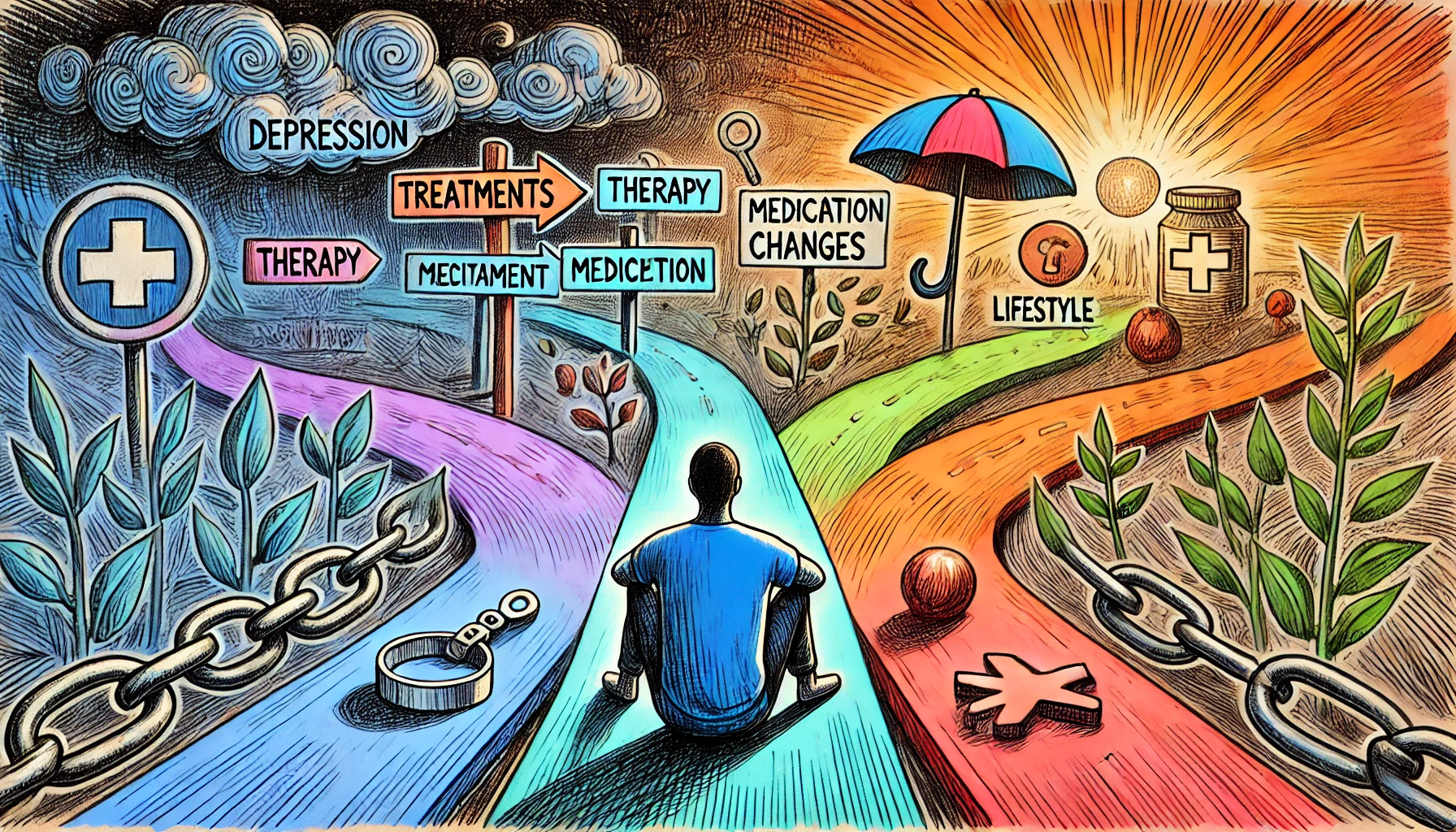
What Is Treatment-Resistant Depression?
Treatment-resistant depression (TRD) is a complex and challenging form of major depressive disorder (MDD) that does not respond to traditional antidepressant treatments. While depression is a common mental health condition, affecting millions worldwide, most people experience significant relief from symptoms with standard treatments like antidepressants or psychotherapy. However, individuals with […]
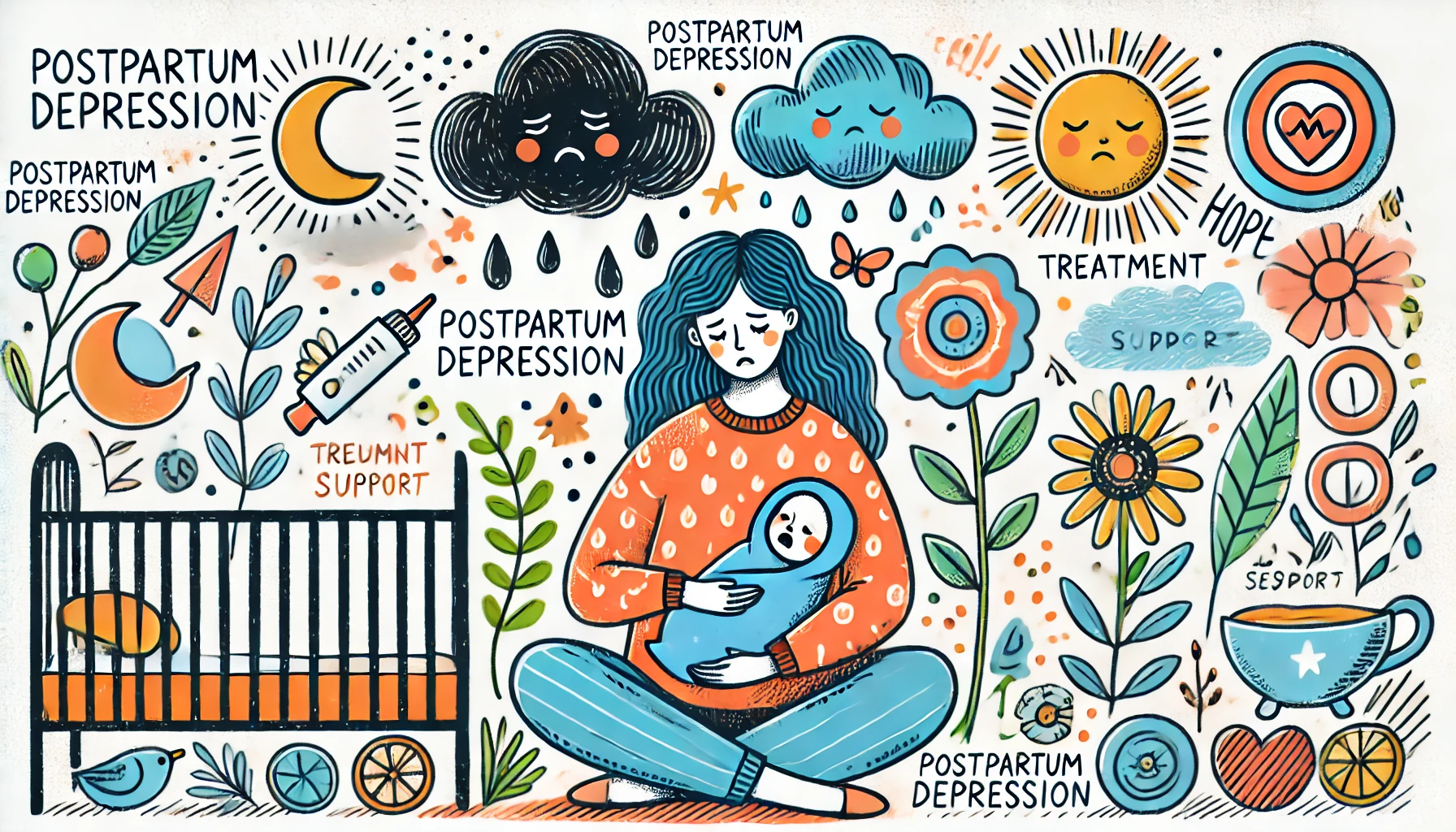
Postpartum Depression: Why It Happens and How to Treat It
Postpartum depression (PPD) is a complex and often misunderstood mental health condition that affects many new mothers. Unlike the “baby blues,” which typically resolve within a few weeks, postpartum depression is more severe and can have a profound impact on a mother’s emotional well-being, her ability to care for her […]
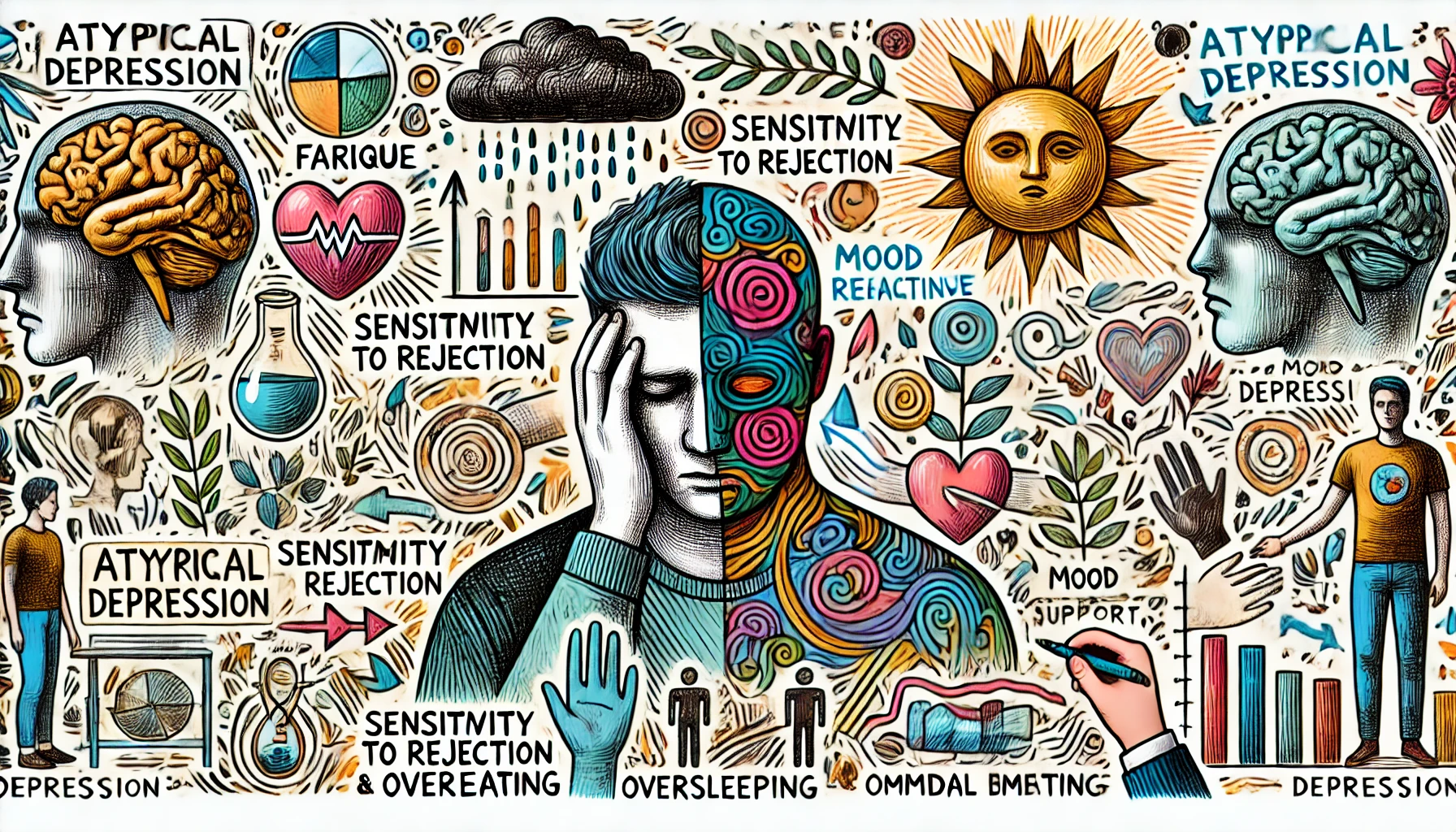
What Is Atypical Depression? Symptoms, Causes, and Treatments
Atypical depression is a subtype of major depressive disorder characterized by mood reactivity and a specific set of symptoms that distinguish it from typical depression. Unlike other forms of depression, individuals with atypical depression can experience a temporary uplift in mood in response to positive events, which can make the […]
Bipolar Disorder: Understanding the Depressive Episodes
Bipolar disorder is a complex mental health condition characterized by extreme mood swings, including periods of mania or hypomania and depressive episodes. While the manic phases are marked by elevated mood, increased energy, and sometimes risky behaviors, the depressive episodes are often the most challenging and debilitating aspect of the […]
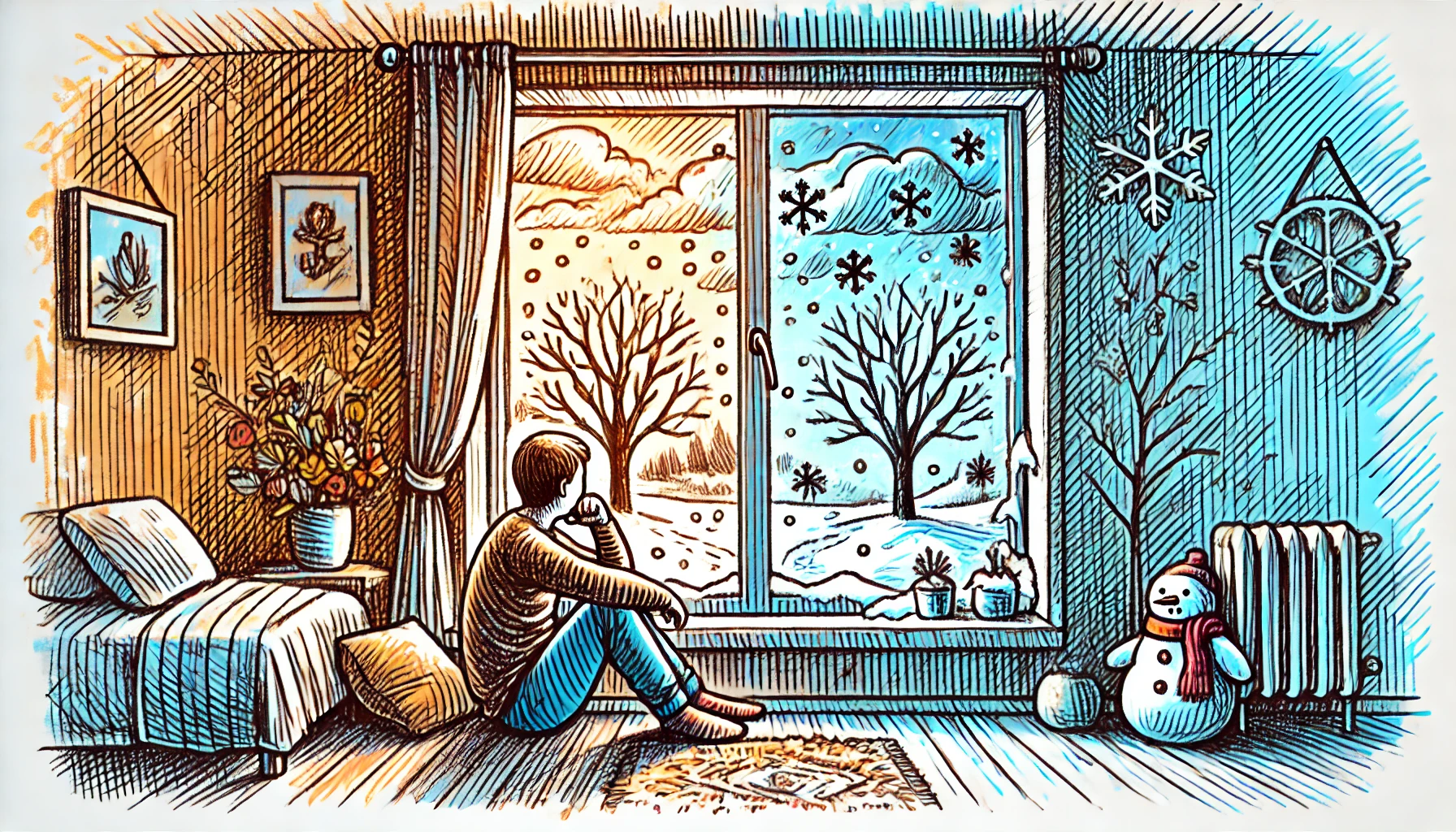
Seasonal Affective Disorder (SAD): Why Some People Get Depressed in Winter
Seasonal Affective Disorder (SAD) is a type of depression that occurs at specific times of the year, typically during the fall and winter months. It’s more than just feeling down during the colder seasons; it’s a recurring depressive disorder that can significantly affect an individual’s mood, energy levels, and overall […]
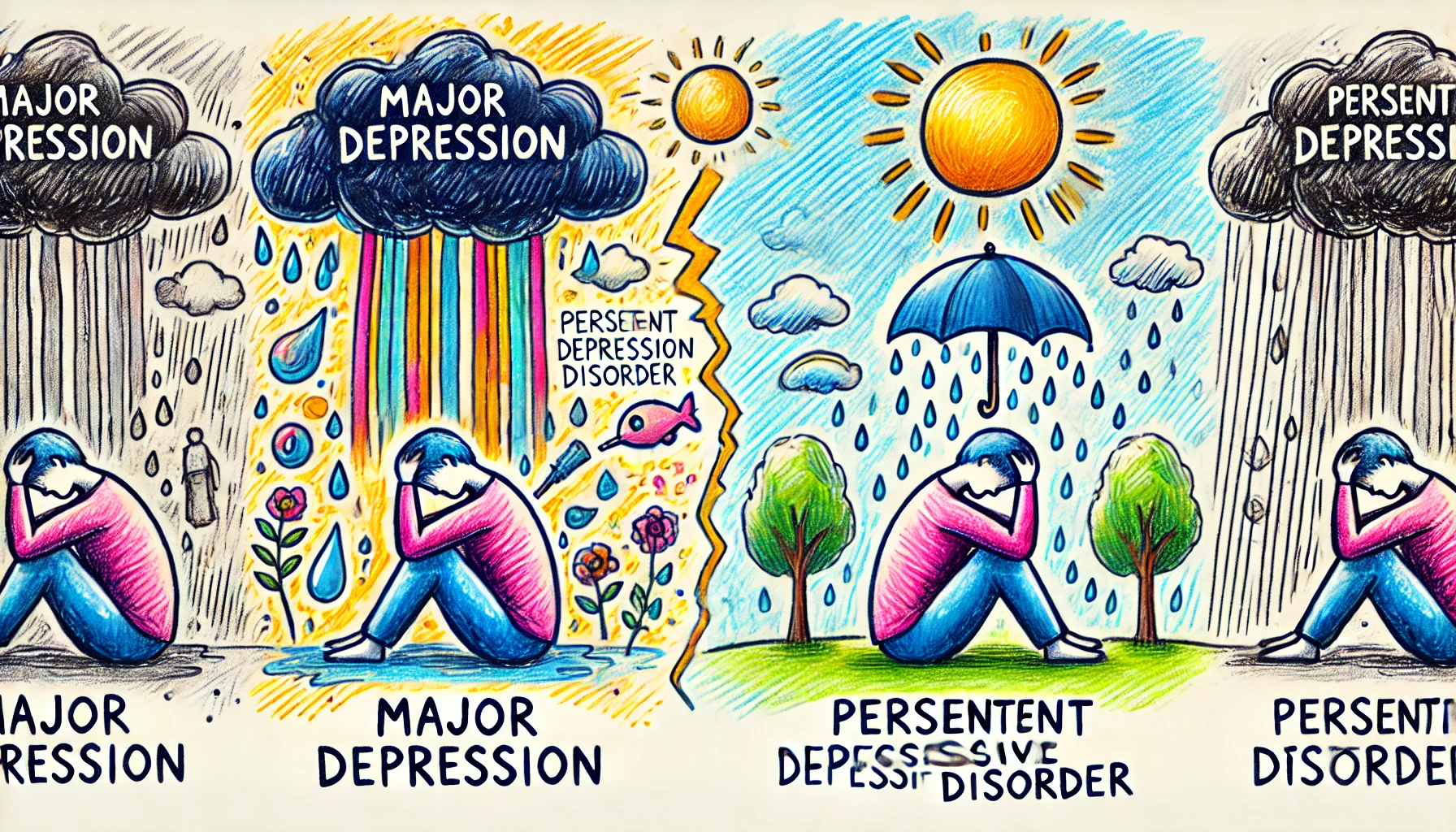
Major Depression vs. Persistent Depressive Disorder: What’s the Difference?
Depression is a complex mental health condition that affects millions of people worldwide. Within the spectrum of depressive disorders, two common types often discussed are Major Depressive Disorder (MDD) and Persistent Depressive Disorder (PDD). While they share some similarities, such as symptoms of sadness and a loss of interest in […]