
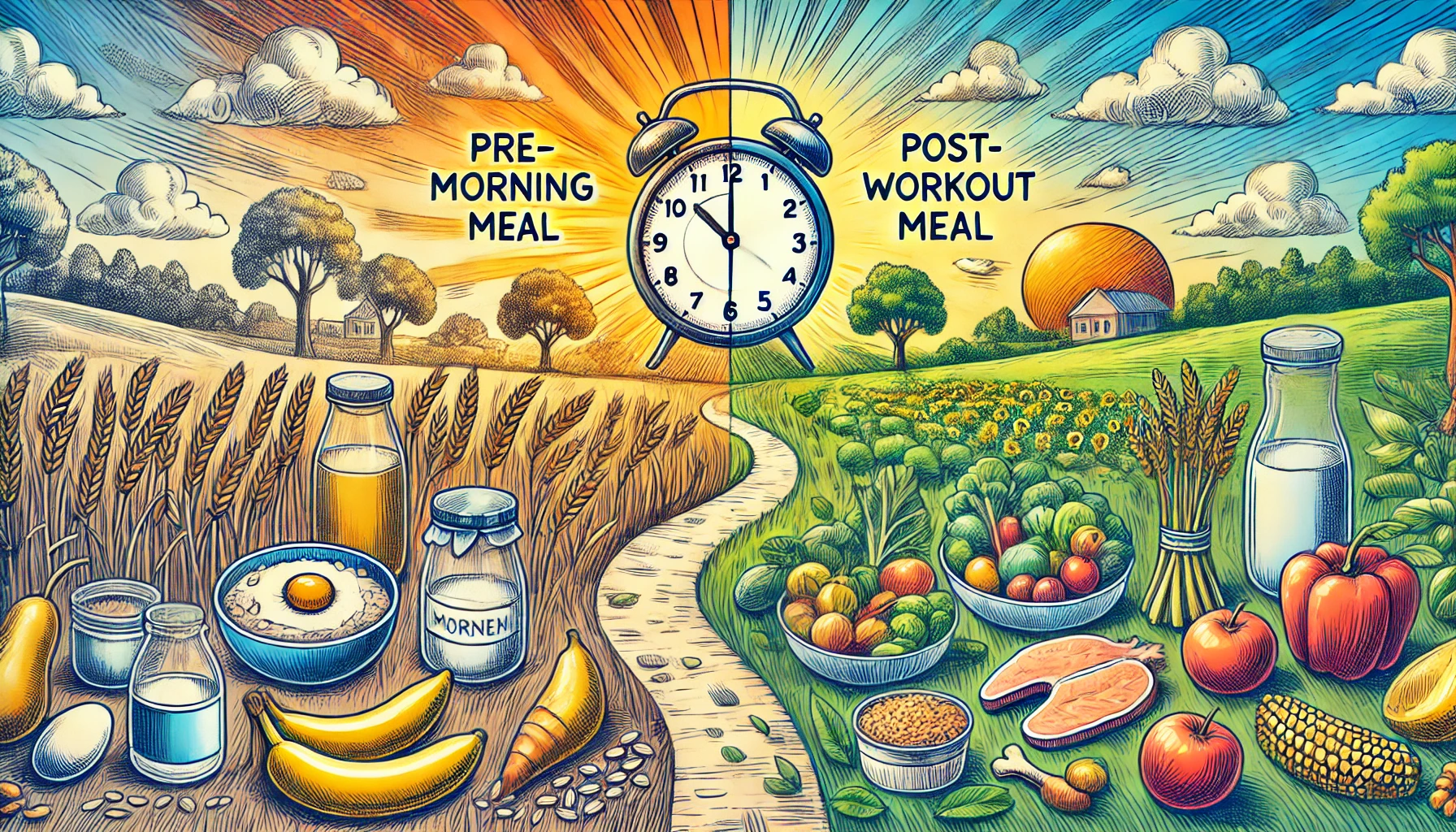
Optimal meal timing before and after a workout is crucial for maximizing performance, recovery, and overall fitness gains. The right nutrients at the right time can provide the energy needed for an effective workout and aid in muscle repair and growth afterward. Understanding the strategies for pre- and post-workout nutrition can help you get the most out of your exercise routine and achieve your fitness goals more efficiently.
Eating the right foods before a workout ensures that your body has enough energy to perform at its best. On the other hand, post-workout nutrition focuses on recovery, replenishing glycogen stores, and repairing muscle tissue. This blog will delve into the best meal timing strategies for pre- and post-workout nutrition, providing you with practical tips to enhance your performance and recovery.
1. Pre-Workout Nutrition: Timing and Composition
- Timing: Eat a balanced meal 2-3 hours before your workout to ensure adequate digestion and energy availability.
- Carbohydrates: Include complex carbohydrates such as whole grains, fruits, and vegetables to provide sustained energy.
- Protein: Incorporate lean protein sources like chicken, fish, tofu, or beans to support muscle repair and growth.
- Fats: Include healthy fats from sources like avocados, nuts, and seeds in moderate amounts to provide long-lasting energy.
- Hydration: Drink plenty of water leading up to your workout to ensure you are well-hydrated.
2. Pre-Workout Snacks: Quick Energy Boost
- Timing: Consume a light snack 30-60 minutes before exercising if you are unable to eat a full meal 2-3 hours prior.
- Simple carbohydrates: Opt for easily digestible carbs like a banana, a slice of toast with honey, or a small smoothie for quick energy.
- Protein: Include a small amount of protein, such as Greek yogurt or a protein bar, to aid in muscle maintenance.
- Low fiber and fat: Choose low-fiber and low-fat snacks to prevent digestive discomfort during your workout.
- Hydration: Drink a glass of water or a sports drink to maintain hydration levels.
3. Importance of Carbohydrates
- Energy source: Carbohydrates are the primary fuel for high-intensity exercise, providing the necessary energy for optimal performance.
- Glycogen stores: Consuming carbs before a workout helps top off muscle glycogen stores, ensuring sustained energy levels.
- Performance enhancement: Adequate carbohydrate intake can improve endurance, strength, and overall exercise capacity.
- Mental focus: Carbs provide glucose to the brain, enhancing mental clarity and focus during workouts.
- Reduced fatigue: Sufficient carbohydrate intake can delay the onset of fatigue, allowing for longer and more intense workouts.
4. The Role of Protein
- Muscle repair: Protein provides the amino acids necessary for muscle repair and growth, crucial for recovery and performance.
- Muscle preservation: Consuming protein before a workout helps preserve muscle mass, especially during weight loss or prolonged exercise.
- Satiety: Protein can help you feel full and satisfied, preventing overeating or unhealthy snacking post-workout.
- Balanced intake: Aim for a combination of complete proteins (containing all essential amino acids) and plant-based proteins for variety.
- Protein timing: Ensure protein is included in both pre- and post-workout meals to support continuous muscle maintenance.
5. Hydration Strategies
- Pre-hydration: Drink 16-20 ounces of water 2-3 hours before your workout to ensure adequate hydration.
- During exercise: Sip on water or an electrolyte drink every 15-20 minutes during exercise to maintain hydration.
- Post-workout: Replenish lost fluids by drinking 16-24 ounces of water for every pound lost during the workout.
- Electrolyte balance: Include beverages with electrolytes, especially if engaging in prolonged or intense exercise to prevent imbalances.
- Monitoring hydration: Check the color of your urine; light yellow indicates proper hydration, while dark yellow suggests dehydration.
6. Post-Workout Nutrition: The Anabolic Window
- Timing: Aim to eat within 30-60 minutes after your workout to take advantage of the anabolic window for optimal recovery.
- Carbohydrates: Include fast-digesting carbs like fruit, rice cakes, or a sports drink to quickly replenish glycogen stores.
- Protein: Consume high-quality protein sources like whey protein, chicken, or fish to support muscle repair and growth.
- Fats: Include healthy fats like avocado or nuts in moderate amounts to aid in overall recovery without slowing digestion.
- Hydration: Continue to drink water or an electrolyte beverage to replace fluids lost during the workout.
7. Importance of Carbohydrates Post-Workout
- Glycogen replenishment: Consuming carbohydrates after exercise helps replenish glycogen stores depleted during the workout.
- Improved recovery: Adequate carbohydrate intake post-workout speeds up recovery and prepares the body for the next training session.
- Reduced muscle soreness: Carbs combined with protein can reduce muscle soreness and enhance recovery.
- Insulin response: Carbohydrates stimulate insulin production, which helps drive amino acids into muscle cells for repair.
- Energy restoration: Post-workout carbs restore energy levels, preventing post-exercise fatigue and promoting overall recovery.
8. The Role of Protein Post-Workout
- Muscle synthesis: Protein provides the building blocks for muscle synthesis, crucial for repair and growth after exercise.
- Optimal intake: Aim for 20-40 grams of protein post-workout, depending on body weight and exercise intensity.
- Complete proteins: Choose sources like whey protein, eggs, or lean meats for complete amino acid profiles.
- Protein timing: Consuming protein within the anabolic window maximizes muscle repair and growth.
- Synergy with carbs: Combining protein with carbohydrates post-workout enhances glycogen replenishment and muscle repair.
9. Hydration and Electrolyte Replacement Post-Workout
- Fluid replacement: Drink enough water to replace fluids lost through sweat during the workout.
- Electrolyte balance: Replenish electrolytes, especially sodium, potassium, and magnesium, lost during intense exercise.
- Sports drinks: Consider sports drinks or electrolyte tablets for quick and efficient electrolyte replacement.
- Natural sources: Foods like bananas, coconut water, and leafy greens can also help replenish electrolytes.
- Hydration monitoring: Continue to monitor urine color and volume to ensure proper hydration levels post-exercise.
10. Personalizing Your Pre- and Post-Workout Nutrition
- Listen to your body: Pay attention to how different foods and timing affect your performance and recovery.
- Experimentation: Experiment with various foods and timing strategies to find what works best for you.
- Professional advice: Consider consulting with a nutritionist or dietitian for personalized recommendations based on your goals and needs.
- Adjustments: Be prepared to adjust your nutrition plan based on changes in training intensity, goals, and lifestyle.
- Consistency: Maintain consistency in your nutrition routine to support continuous progress and overall health.
In conclusion, the timing and composition of your pre- and post-workout meals play a vital role in enhancing performance, promoting recovery, and achieving your fitness goals. By incorporating the right balance of carbohydrates, proteins, and fats at appropriate times, you can optimize your energy levels, muscle repair, and overall metabolic health. Hydration and electrolyte replacement are equally important to ensure your body remains in peak condition. Personalizing your meal timing strategies based on your individual needs and responses will help you maximize the benefits of your workouts and support long-term fitness success.