
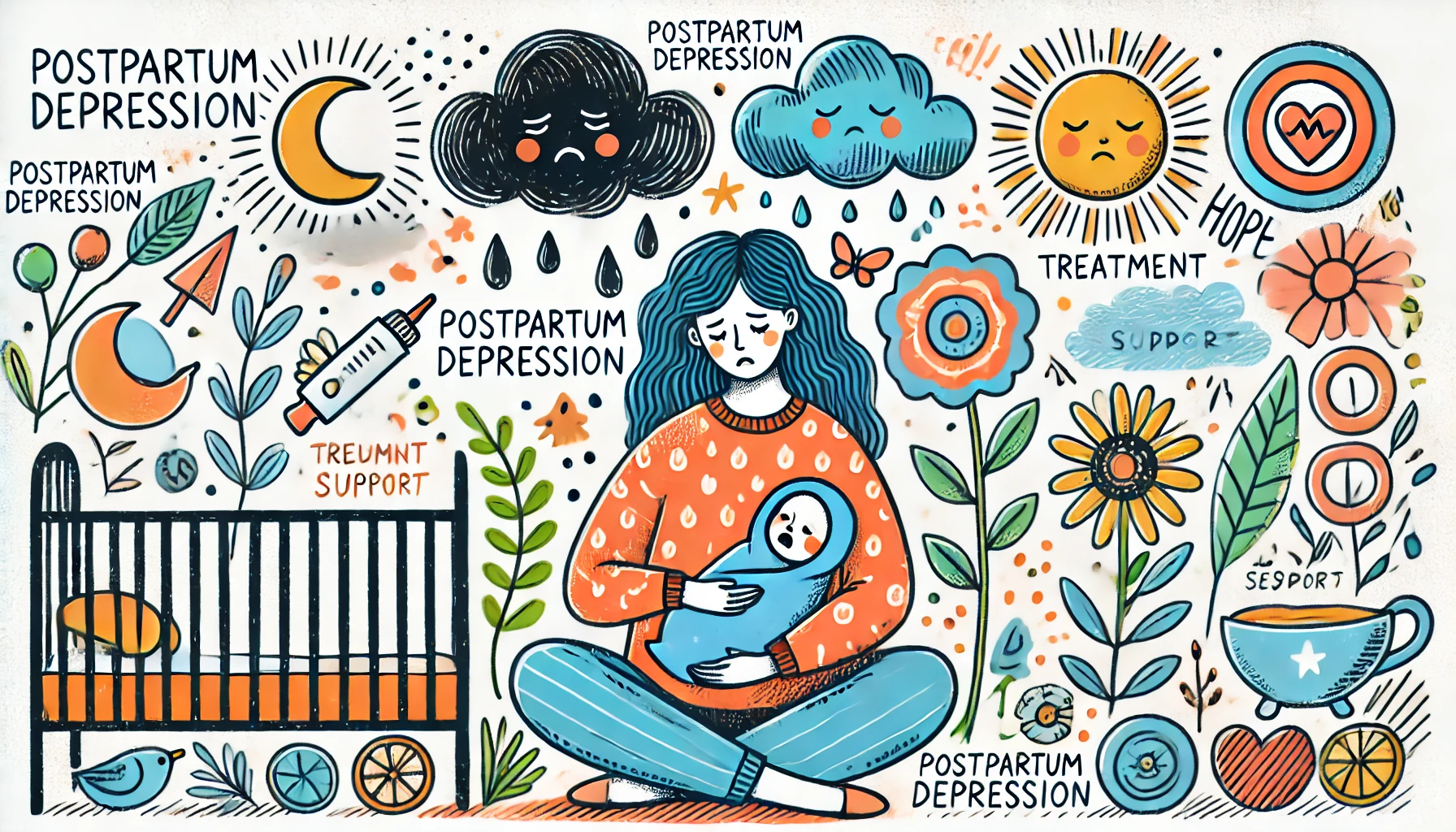
Postpartum depression (PPD) is a complex and often misunderstood mental health condition that affects many new mothers. Unlike the “baby blues,” which typically resolve within a few weeks, postpartum depression is more severe and can have a profound impact on a mother’s emotional well-being, her ability to care for her newborn, and her relationships. It can occur shortly after childbirth or develop gradually over the first year postpartum. PPD is characterized by persistent feelings of sadness, anxiety, and exhaustion that make it challenging for mothers to engage in daily activities and bond with their baby.
The onset of postpartum depression can be influenced by a combination of hormonal, psychological, and social factors. Understanding why PPD happens is crucial for early recognition and effective treatment. Despite its prevalence, many women may not seek help due to stigma or a lack of awareness about the condition. This blog will explore the causes of postpartum depression, its symptoms, and the various treatment options available to support mothers during this challenging time.
1. Causes of Postpartum Depression
- Hormonal Changes: After childbirth, there is a rapid drop in the hormones estrogen and progesterone, which can contribute to the development of postpartum depression. These hormonal fluctuations can affect neurotransmitter systems in the brain that regulate mood.
- Sleep Deprivation: New mothers often experience significant sleep deprivation due to the demands of caring for a newborn. Lack of sleep can exacerbate mood disturbances and increase the risk of developing PPD.
- Physical and Emotional Stress: The physical toll of childbirth, coupled with the emotional stress of adjusting to motherhood, can contribute to feelings of overwhelm and vulnerability, increasing the risk of PPD.
- Genetic Predisposition: Women with a personal or family history of depression, anxiety, or other mood disorders are at a higher risk of developing postpartum depression.
- Thyroid Dysfunction: Postpartum thyroiditis, an inflammation of the thyroid gland that can occur after childbirth, can cause symptoms similar to depression, such as fatigue, mood swings, and difficulty concentrating.
2. Symptoms of Postpartum Depression
- Persistent Sadness or Emptiness: One of the hallmark symptoms of PPD is a persistent feeling of sadness, hopelessness, or emptiness that doesn’t seem to improve over time. Mothers may feel a profound sense of loss or lack of interest in activities they once enjoyed.
- Anxiety and Irritability: PPD can cause intense anxiety, including excessive worry about the baby’s health and safety. Irritability and mood swings are also common, making it difficult for mothers to cope with daily stressors.
- Fatigue and Low Energy: Despite getting enough rest, women with PPD often experience extreme fatigue and a lack of energy, making it challenging to perform everyday tasks or care for their baby.
- Difficulty Bonding with the Baby: Mothers with PPD may struggle to bond with their newborn, experiencing feelings of detachment or indifference. This can lead to guilt and feelings of inadequacy as a parent.
- Appetite and Sleep Disturbances: PPD can cause changes in appetite, leading to weight loss or gain. Sleep disturbances, such as insomnia or excessive sleeping, are also common, further affecting the mother’s ability to function.
3. Differentiating Postpartum Depression from the “Baby Blues”
- Duration: The “baby blues” are common and affect up to 80% of new mothers. They typically begin within the first few days after childbirth and resolve on their own within two weeks. In contrast, postpartum depression lasts longer and can persist for several months if left untreated.
- Severity of Symptoms: While the baby blues involve mild mood swings, tearfulness, and feelings of overwhelm, PPD symptoms are more severe and include persistent sadness, anxiety, and difficulty bonding with the baby.
- Impact on Functioning: Postpartum depression significantly impairs a mother’s ability to function in her daily life. It can affect her ability to care for herself, her baby, and other responsibilities, whereas the baby blues usually do not interfere with a mother’s ability to care for her child.
- Risk of Progression: Without proper treatment, PPD can develop into a more chronic form of depression, leading to long-term mental health issues. The baby blues typically resolve without intervention and do not lead to chronic depression.
- Need for Treatment: PPD often requires professional treatment, including therapy, medication, or a combination of both. The baby blues generally do not require medical treatment and improve with rest, support, and time.
4. Risk Factors for Postpartum Depression
- Previous Mental Health Issues: Women with a history of depression, anxiety, or bipolar disorder are at a higher risk of developing PPD. Previous experiences with PPD in earlier pregnancies also increase the risk in subsequent pregnancies.
- Stressful Life Events: Recent stressful events such as relationship problems, financial difficulties, or lack of social support can contribute to the onset of PPD.
- Complications During Pregnancy or Childbirth: Complications such as preterm birth, emergency cesarean delivery, or having a baby with health issues can increase the emotional and physical stress on the mother, raising the risk of PPD.
- Lack of Support: A lack of emotional or practical support from partners, family, or friends can make the adjustment to motherhood more challenging, increasing the risk of postpartum depression.
- Unplanned or Unwanted Pregnancy: Women who have experienced an unplanned or unwanted pregnancy may have a higher risk of PPD due to the additional emotional and psychological stress involved.
5. The Impact of Postpartum Depression on Mother and Baby
- Mother-Infant Bonding: PPD can hinder the development of a healthy bond between mother and baby. Difficulty in bonding can affect the child’s emotional development and sense of security.
- Breastfeeding Challenges: Mothers with PPD may struggle with breastfeeding due to lack of motivation, fatigue, or feelings of inadequacy. This can lead to early weaning or difficulty establishing a breastfeeding routine.
- Impact on Infant Development: Research has shown that infants of mothers with PPD are at an increased risk of developmental delays, including emotional, social, and cognitive challenges.
- Parenting Stress: PPD can increase parenting stress and decrease a mother’s patience and tolerance. This can lead to difficulties in managing the demands of parenting and maintaining a nurturing environment.
- Relationship Strain: Postpartum depression can strain relationships with partners and family members. It may lead to misunderstandings, reduced communication, and decreased support from loved ones.
6. Diagnosis and Screening for Postpartum Depression
- Screening Tools: Healthcare providers often use screening tools such as the Edinburgh Postnatal Depression Scale (EPDS) to identify signs of PPD. The EPDS is a questionnaire that helps assess the severity of depressive symptoms.
- Clinical Assessment: A thorough clinical assessment by a healthcare professional, including a detailed history of symptoms, mood, and overall mental health, is essential for diagnosing PPD. The assessment may include questions about mood, sleep, appetite, energy levels, and thoughts about self-harm.
- Timing of Screening: Screening for PPD is typically conducted during postpartum check-ups, but it can occur at any time within the first year after childbirth. Early detection and intervention are crucial for improving outcomes.
- Differentiating PPD from Other Conditions: It’s important to differentiate PPD from other conditions such as postpartum anxiety, postpartum psychosis, or thyroid dysfunction, which can present with similar symptoms.
- Role of Partners and Family: Partners and family members can play a key role in recognizing the signs of PPD and encouraging the mother to seek help. They can provide valuable insights into changes in mood or behavior that the mother may not be aware of.
7. Treatment Options for Postpartum Depression
- Psychotherapy: Cognitive-behavioral therapy (CBT) and interpersonal therapy (IPT) are effective treatments for PPD. These therapies focus on changing negative thought patterns, improving coping strategies, and enhancing social support.
- Medication: Antidepressant medications, such as selective serotonin reuptake inhibitors (SSRIs), can be prescribed to help alleviate symptoms of PPD. When considering medication, healthcare providers take into account the safety of breastfeeding and the potential benefits versus risks.
- Hormone Therapy: In some cases, hormone therapy may be used to stabilize hormonal imbalances that contribute to PPD. Estrogen therapy has been explored as a potential treatment, though it is not commonly used due to the need for further research.
- Support Groups: Joining a support group for new mothers experiencing PPD can provide emotional support and reduce feelings of isolation. Sharing experiences with others who understand the challenges of PPD can be empowering and validating.
- Lifestyle Modifications: Encouraging regular exercise, a healthy diet, adequate sleep, and time for self-care can help improve mood and overall well-being. Engaging in activities that promote relaxation and stress reduction, such as yoga or mindfulness meditation, can also be beneficial.
8. The Role of Social Support in Recovery
- Partner and Family Support: Emotional and practical support from partners, family, and friends is crucial for mothers recovering from PPD. This support can include helping with baby care, household tasks, and providing emotional reassurance.
- Community Resources: Access to community resources, such as parenting classes, postpartum support groups, and mental health services, can provide additional support and guidance for mothers experiencing PPD.
- Reducing Stigma: Reducing the stigma associated with PPD is essential for encouraging mothers to seek help. Open discussions about PPD in prenatal classes, healthcare settings, and the media can help normalize the condition and promote understanding.
- Professional Support: Healthcare providers, including obstetricians, midwives, pediatricians, and mental health professionals, play a key role in providing support and treatment for PPD. Regular follow-up appointments can ensure ongoing assessment and adjustment of treatment plans as needed.
- Peer Support: Connecting with other mothers who have experienced PPD can provide a sense of solidarity and understanding. Peer support can be found through support groups, online forums, or community organizations.
9. Preventative Strategies for Postpartum Depression
- Prenatal Education: Educating expectant mothers and their partners about the signs and risk factors of PPD during prenatal care can increase awareness and preparedness. Understanding what to expect can reduce anxiety and encourage early help-seeking.
- Early Identification: Early identification of women at high risk for PPD allows for proactive monitoring and intervention. This can include those with a history of mental health conditions, lack of social support, or previous experiences of PPD.
- Stress Management: Teaching stress management techniques, such as relaxation exercises, mindfulness, and time management skills, can help mothers cope with the demands of motherhood and reduce the risk of developing PPD.
- Building a Support Network: Encouraging the establishment of a strong support network during pregnancy can provide a safety net for new mothers. This can include identifying friends, family, and community resources that can offer assistance and emotional support.
- Postpartum Planning: Developing a postpartum plan that includes strategies for self-care, rest, and help with baby care can ease the transition to motherhood and reduce the risk of PPD.
10. The Importance of Early Intervention and Treatment
- Improved Outcomes: Early intervention and treatment of PPD can significantly improve outcomes for both the mother and baby. It can reduce the severity and duration of symptoms, enhance the mother’s ability to bond with her baby, and improve overall family functioning.
- Preventing Complications: Timely treatment of PPD can prevent complications such as chronic depression, anxiety disorders, and impaired mother-infant bonding. It can also reduce the risk of future episodes of depression.
- Enhancing Parenting Skills: Addressing PPD allows mothers to regain their energy, motivation, and confidence, which are essential for effective parenting and creating a nurturing environment for the baby.
- Reducing Long-Term Impact: Effective treatment can reduce the long-term impact of PPD on the mother’s mental health and the child’s development, promoting a healthier family dynamic and emotional well-being.
- Empowering Mothers: Providing mothers with the tools, resources, and support needed to manage PPD empowers them to take an active role in their recovery and enhances their overall quality of life.
Conclusion
Postpartum depression is a serious mental health condition that can significantly impact a new mother’s well-being and her ability to care for her newborn. It is distinct from the “baby blues” in its severity, duration, and the need for professional intervention. Understanding the causes and risk factors of PPD, including hormonal changes, sleep deprivation, and lack of support, is crucial for early detection and effective treatment.
Treatment options for PPD include psychotherapy, medication, lifestyle modifications, and support groups. Social support from partners, family, and the community plays a vital role in the recovery process. Early intervention and a comprehensive approach to treatment can lead to improved outcomes for both the mother and baby, reducing the long-term impact of PPD on the family. By raising awareness and reducing stigma around postpartum depression, we can encourage more mothers to seek the help they need and support them in their journey to recovery.