
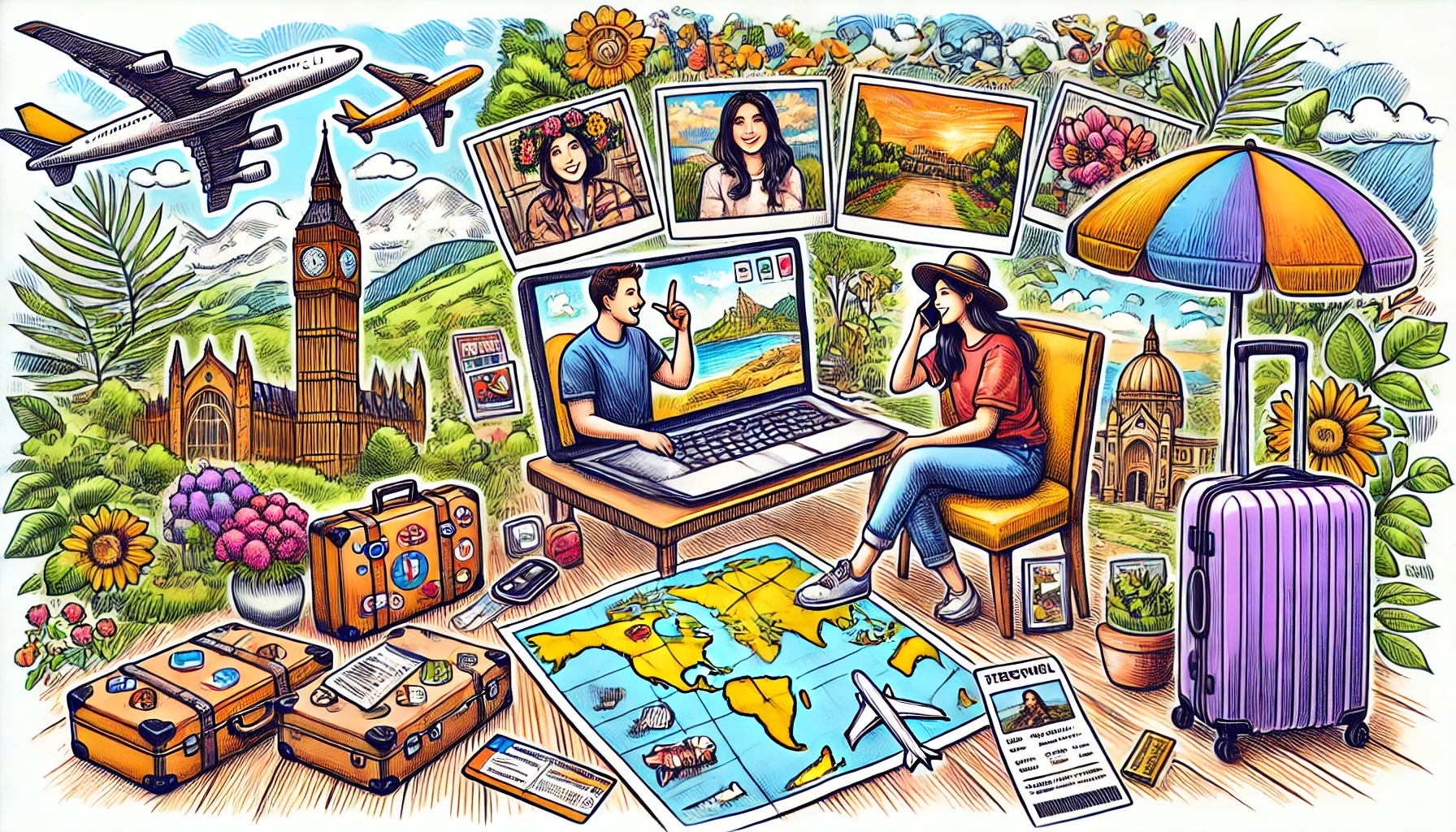
Planning visits and trips with long-distance friends is a great way to strengthen your bond and create lasting memories. Whether you’re meeting halfway or visiting each other’s cities, careful planning ensures that your time together is enjoyable and stress-free. This guide provides practical tips for organizing visits and trips with long-distance friends, covering everything from initial planning to enjoying the trip.
By following these steps, you can ensure a smooth and memorable experience with your long-distance friends.
1. Start with Open Communication
- Discuss Expectations: Talk about your expectations for the visit or trip, including activities, budget, and accommodation preferences.
- Set Dates Early: Agree on dates that work for both of you well in advance to allow for proper planning and booking.
- Share Responsibilities: Divide planning tasks, such as researching activities, booking accommodations, and arranging transportation.
- Regular Check-Ins: Maintain regular communication to discuss updates, share ideas, and confirm details.
- Be Honest: Be honest about your budget, availability, and any concerns you might have to avoid misunderstandings.
2. Choose a Destination
- Visit Each Other’s Cities: Take turns visiting each other’s hometowns to experience each other’s local life and favorite spots.
- Meet Halfway: Find a destination that is roughly halfway between your locations to make travel more convenient for both.
- Pick a New Destination: Choose a new place that both of you are interested in exploring to make the trip an exciting adventure.
- Consider Interests: Select a destination that aligns with both of your interests, whether it’s a beach, mountains, city, or countryside.
- Climate and Season: Consider the climate and season of the destination to ensure it’s a suitable time for the visit.
3. Budget and Financial Planning
- Set a Budget: Agree on a budget for the trip that covers travel, accommodation, food, activities, and any other expenses.
- Cost-Saving Tips: Look for cost-saving options such as off-peak travel times, shared accommodations, and discount deals.
- Track Expenses: Use expense tracking apps like Splitwise to keep track of shared expenses and ensure fairness.
- Emergency Fund: Set aside a small emergency fund for unexpected expenses that might arise during the trip.
- Payment Methods: Decide on payment methods for shared expenses and ensure both of you have access to necessary funds.
4. Research and Plan Activities
- Create an Itinerary: Develop a flexible itinerary that includes must-see attractions, activities, and downtime.
- Local Recommendations: Ask for local recommendations from friends, travel forums, or social media groups to find hidden gems.
- Mix Activities: Plan a mix of activities, including sightseeing, relaxation, adventure, and cultural experiences.
- Reservations: Make reservations for popular attractions, restaurants, and activities in advance to avoid disappointment.
- Backup Plans: Have backup activities or plans in case of bad weather or other unforeseen circumstances.
5. Book Accommodations
- Discuss Preferences: Discuss accommodation preferences, such as hotels, hostels, vacation rentals, or staying with friends/family.
- Location: Choose accommodations in a convenient location close to major attractions and transportation.
- Amenities: Consider amenities like free Wi-Fi, breakfast, parking, and other conveniences that enhance your stay.
- Budget-Friendly Options: Look for budget-friendly options without compromising on comfort and safety.
- Cancellation Policy: Check the cancellation policy in case your plans change unexpectedly.
6. Arrange Transportation
- Flights: Book flights early to get the best deals. Consider using fare comparison websites and apps.
- Road Trips: If driving, plan your route, check your vehicle’s condition, and consider splitting driving duties.
- Public Transport: Use public transportation options like buses, trains, or trams for cost-effective and convenient travel.
- Car Rentals: If renting a car, book in advance and check for any necessary insurance or driving requirements.
- Local Transport: Research local transportation options, such as rideshares, taxis, or bike rentals, for getting around the destination.
7. Pack Smart
- Essentials: Pack essentials such as clothing, toiletries, medications, and any necessary travel documents.
- Comfort Items: Bring comfort items like travel pillows, earplugs, or a favorite book to make your journey more enjoyable.
- Weather-Appropriate Clothing: Pack clothing suitable for the weather and planned activities at your destination.
- Travel-Friendly: Use travel-friendly packing methods, such as rolling clothes and using packing cubes, to maximize space.
- Gifts or Souvenirs: Consider bringing a small gift or souvenir for your friend to commemorate the visit.
8. Make the Most of Your Time Together
- Stay Present: Focus on enjoying the moment and being present with your friend, minimizing distractions.
- Capture Memories: Take photos and videos to capture special moments, but don’t let it distract from the experience.
- Be Flexible: Be open to changes in the itinerary and spontaneous adventures that might come up.
- Share Responsibilities: Share responsibilities such as navigating, driving, or planning daily activities to ensure a balanced experience.
- Have Fun: Prioritize having fun and making the most of your time together, regardless of any minor hiccups.
9. Respect Each Other’s Space and Needs
- Alone Time: Recognize the need for personal space and alone time during the trip to recharge.
- Compromise: Be willing to compromise on activities or plans to accommodate each other’s preferences.
- Open Communication: Communicate openly about your needs, whether it’s rest, specific activities, or dietary preferences.
- Respect Boundaries: Respect each other’s boundaries and comfort levels, especially when exploring new places.
- Support Each Other: Be supportive and considerate of each other’s feelings and well-being throughout the trip.
10. Reflect and Plan Future Visits
- Debrief: After the trip, debrief with your friend about what you enjoyed and what could be improved for future visits.
- Share Photos: Share photos and memories from the trip to relive the experience and strengthen your bond.
- Discuss Future Plans: Start discussing potential future visits or trips, building on what you’ve learned from this experience.
- Stay Connected: Maintain regular communication and continue nurturing your friendship between visits.
- Plan Ahead: Begin planning your next trip well in advance to secure the best deals and ensure ample preparation time.
Conclusion
Planning visits and trips with long-distance friends requires careful coordination, open communication, and flexibility. By discussing expectations, choosing the right destination, and budgeting effectively, you can ensure a smooth planning process. Researching activities, booking accommodations, and arranging transportation well in advance helps avoid last-minute stress. Packing smart, making the most of your time together, and respecting each other’s needs enhance the overall experience. Reflecting on the trip and planning future visits further strengthens your bond. By following these steps, you can create memorable and enjoyable trips with your long-distance friends, keeping your friendship strong and connected.