
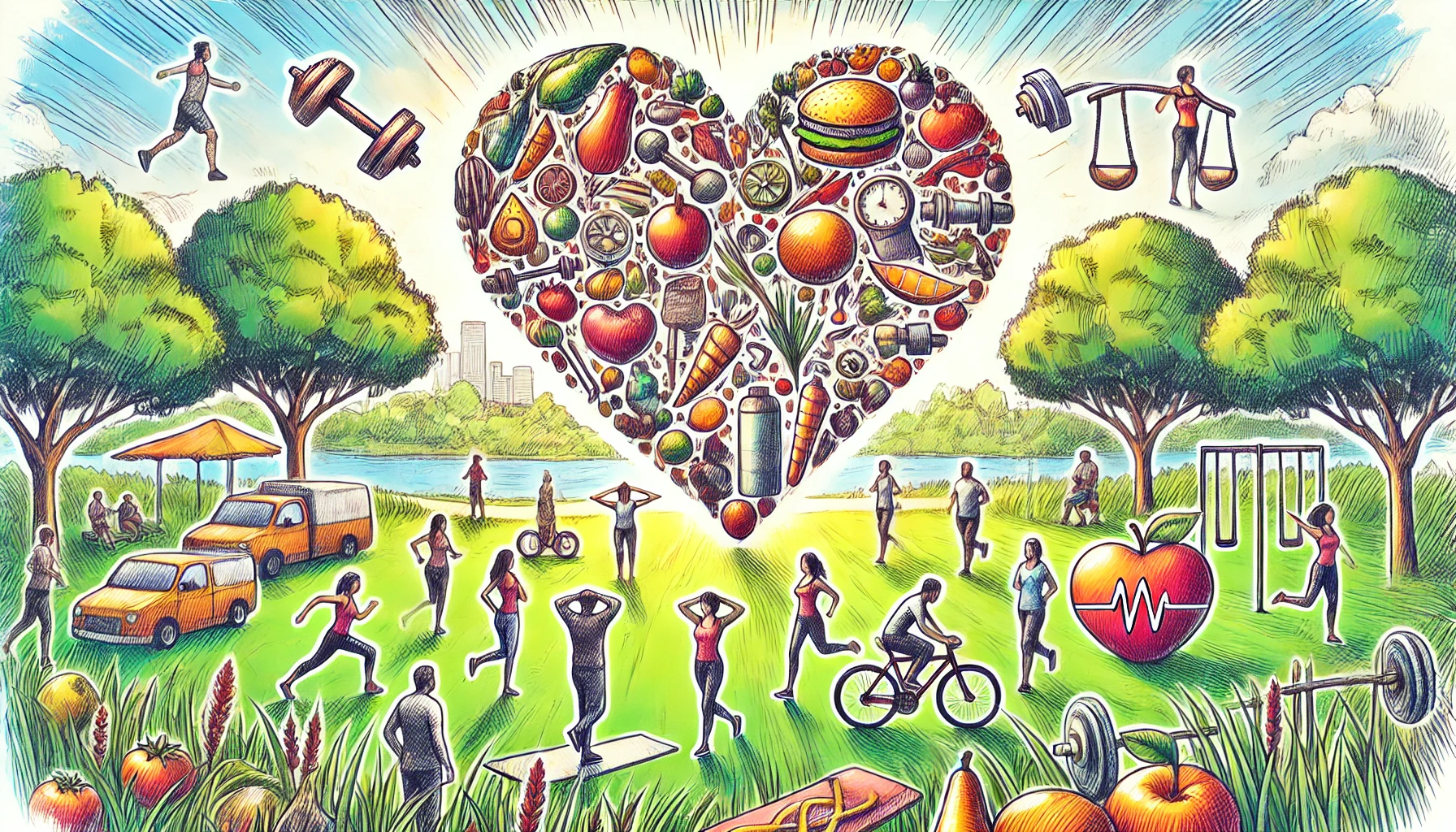
Exercise and heart health are intricately linked, with regular physical activity being a cornerstone of cardiovascular wellness. However, despite widespread awareness of the benefits of exercise, many myths persist, potentially leading people to make uninformed or harmful decisions. Misconceptions about exercise intensity, frequency, and safety can create barriers that prevent […]
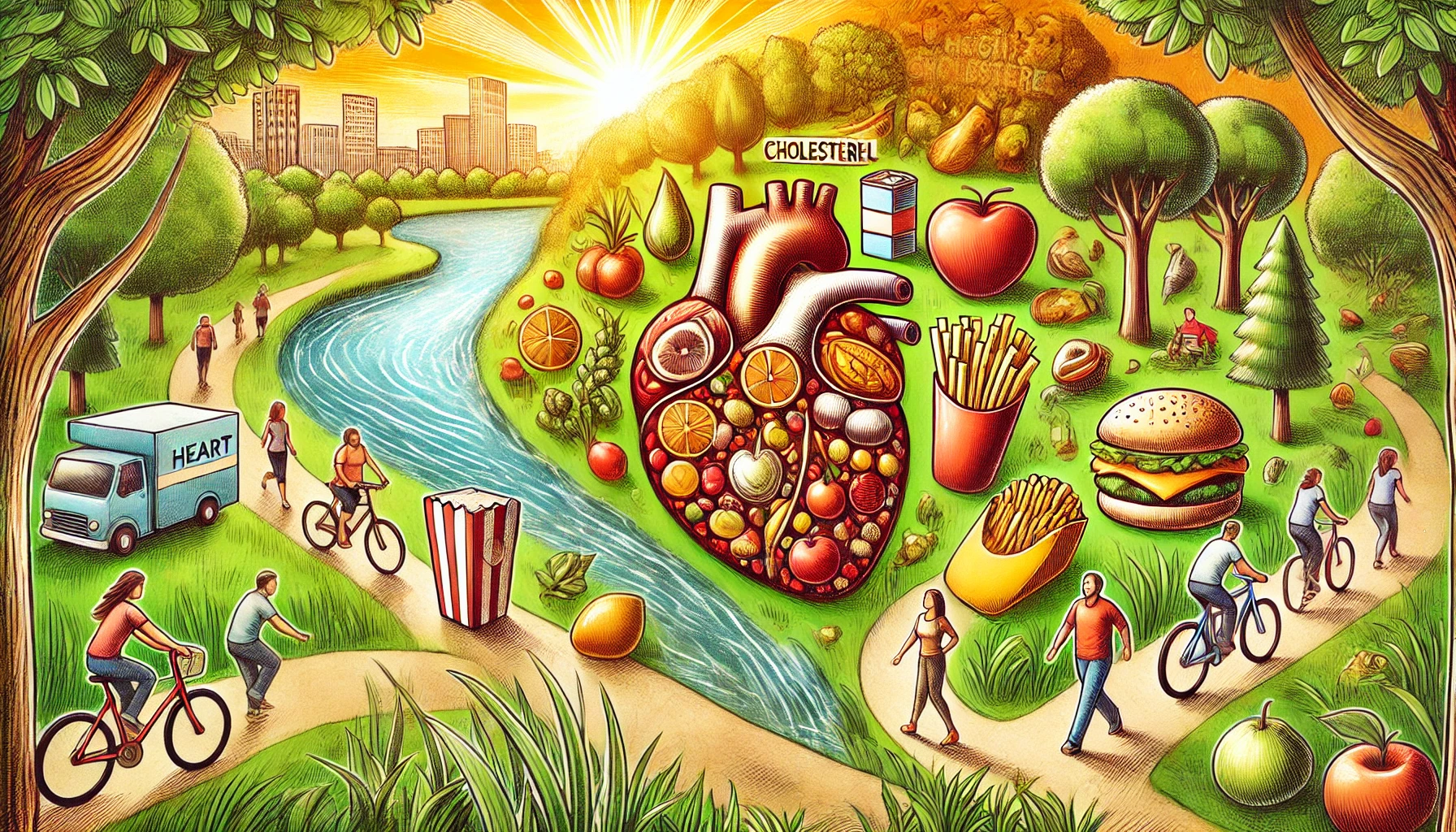
The Truth About Cholesterol and Heart Disease
Cholesterol has long been a buzzword in conversations about heart health. For years, it has been both vilified and misunderstood, leading to widespread confusion about its role in the body and its impact on heart disease. While high cholesterol levels are often associated with an increased risk of cardiovascular disease, […]
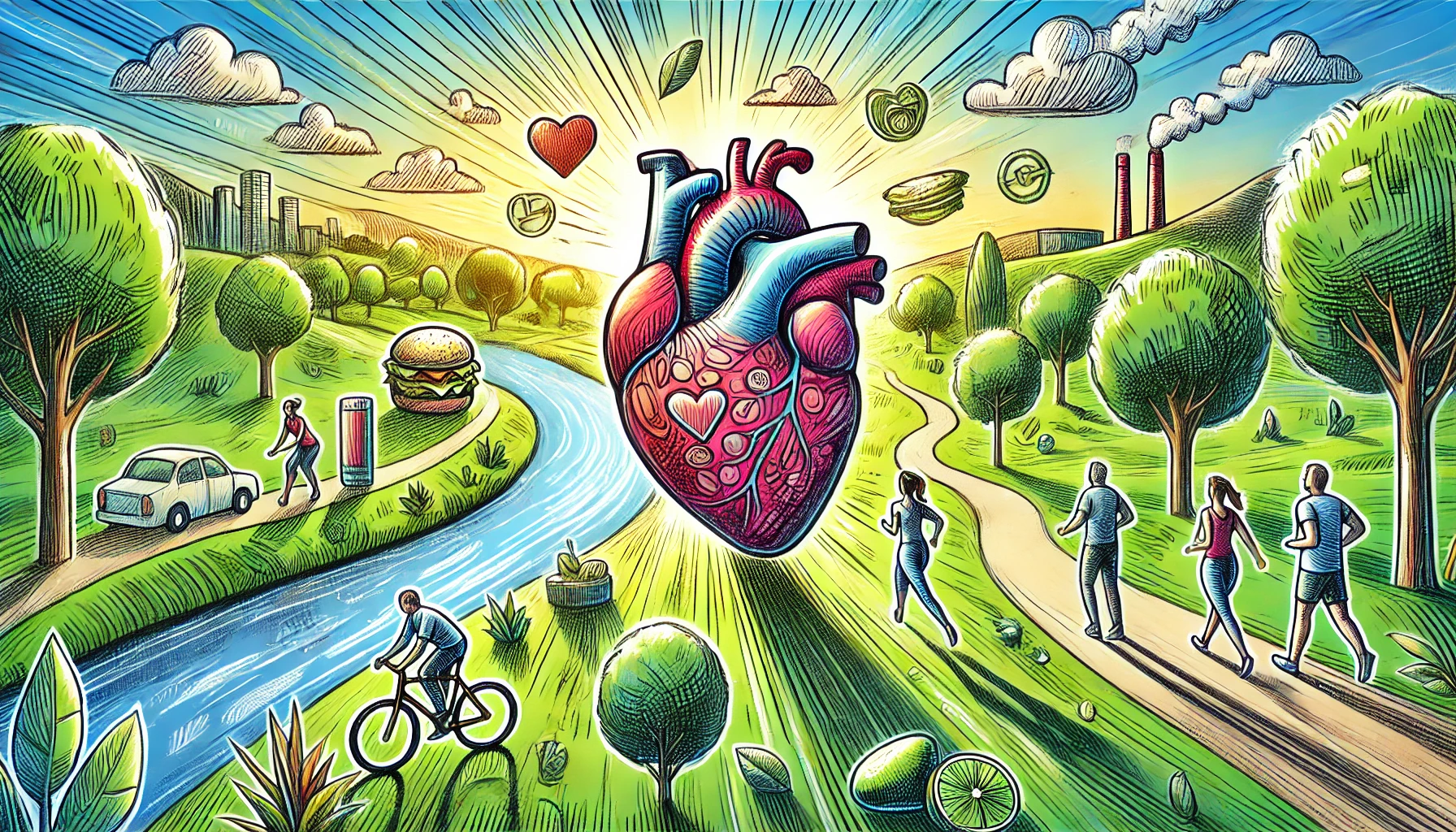
Top 10 Myths About Cardiovascular Health Debunked
Cardiovascular health is a topic of immense importance, given that heart disease is one of the leading causes of death worldwide. Despite the wealth of information available, many myths persist, leading to misconceptions and potentially harmful behaviors. From diet and exercise to medical interventions, these myths can cloud our understanding […]

Coping with Childhood Trauma: A Guide for Adults
Childhood trauma encompasses a range of experiences that can profoundly impact an individual’s psychological and emotional well-being. These experiences may include abuse, neglect, loss, or witnessing violence. As adults, survivors of childhood trauma often carry the effects into their adult lives, manifesting as anxiety, depression, difficulty in relationships, or other […]
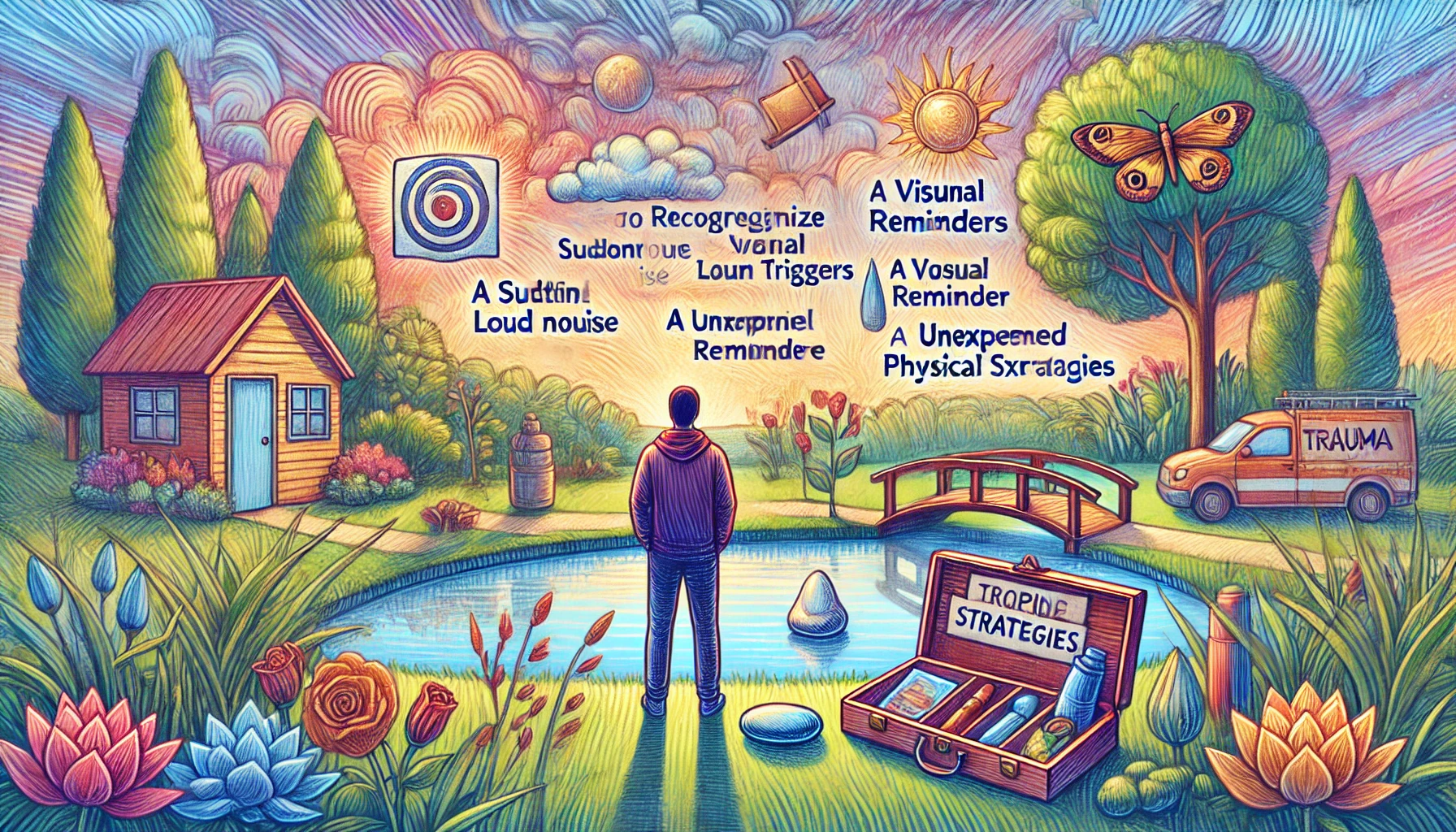
How to Recognize and Respond to Trauma Triggers
Trauma triggers are stimuli that remind individuals of past traumatic experiences, causing emotional and physiological reactions. These triggers can be anything from specific sounds, sights, smells, or situations that unconsciously prompt distressing memories. Recognizing and responding to trauma triggers is crucial for trauma survivors, as it allows them to manage […]

The Importance of Self-Care in Trauma Recovery
Self-care is a vital component of trauma recovery, offering individuals the opportunity to nurture their physical, emotional, and mental well-being. Trauma can have a profound impact on a person’s life, leading to symptoms such as anxiety, depression, and post-traumatic stress disorder (PTSD). In the aftermath of trauma, self-care practices can […]

Using Art Therapy to Heal from Trauma
Art therapy is a therapeutic practice that uses creative expression to help individuals explore emotions, resolve conflicts, and promote healing. It is particularly effective for trauma survivors, offering a non-verbal way to process traumatic experiences and express feelings that may be difficult to articulate. Through various forms of art, such […]

How to Build Resilience After Trauma
Resilience is the ability to adapt and recover from adversity, including traumatic experiences. While trauma can have a profound impact on an individual’s mental, emotional, and physical well-being, building resilience can help mitigate these effects and support the healing process. Resilience is not an inherent trait but a set of […]
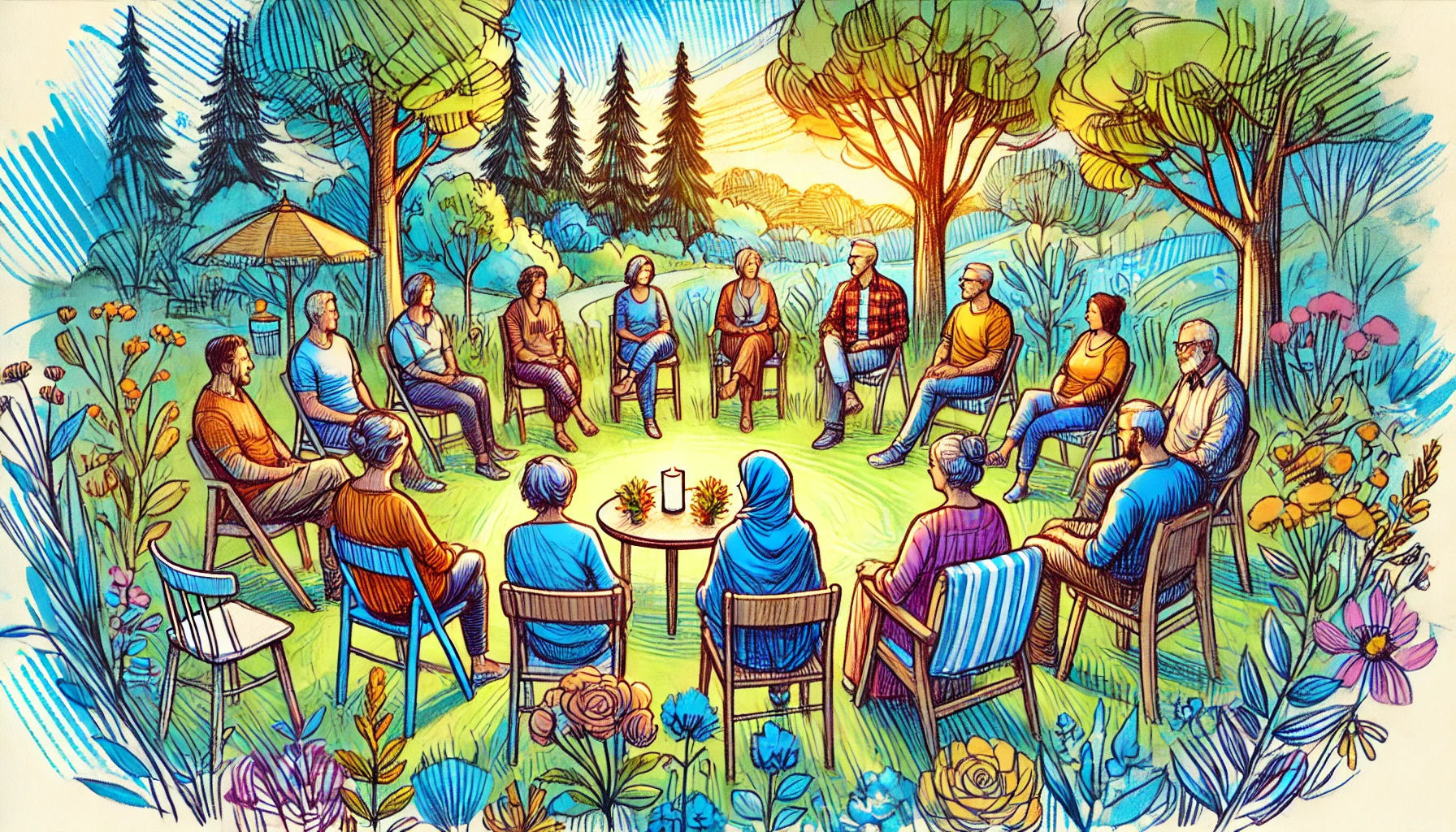
The Benefits of Support Groups for Trauma Survivors
Support groups can be an invaluable resource for individuals who have experienced trauma. These groups provide a safe and understanding environment where trauma survivors can share their experiences, receive emotional support, and connect with others facing similar challenges. Support groups come in various forms, including in-person meetings, online forums, and […]

Trauma-Informed Care: What It Is and Why It Matters
Trauma-informed care is an approach that recognizes and responds to the widespread impact of trauma. It emphasizes understanding, empathy, and safety, acknowledging that trauma can affect anyone and that many people seeking services may have experienced trauma. This approach is crucial in creating supportive environments that promote healing and recovery […]