
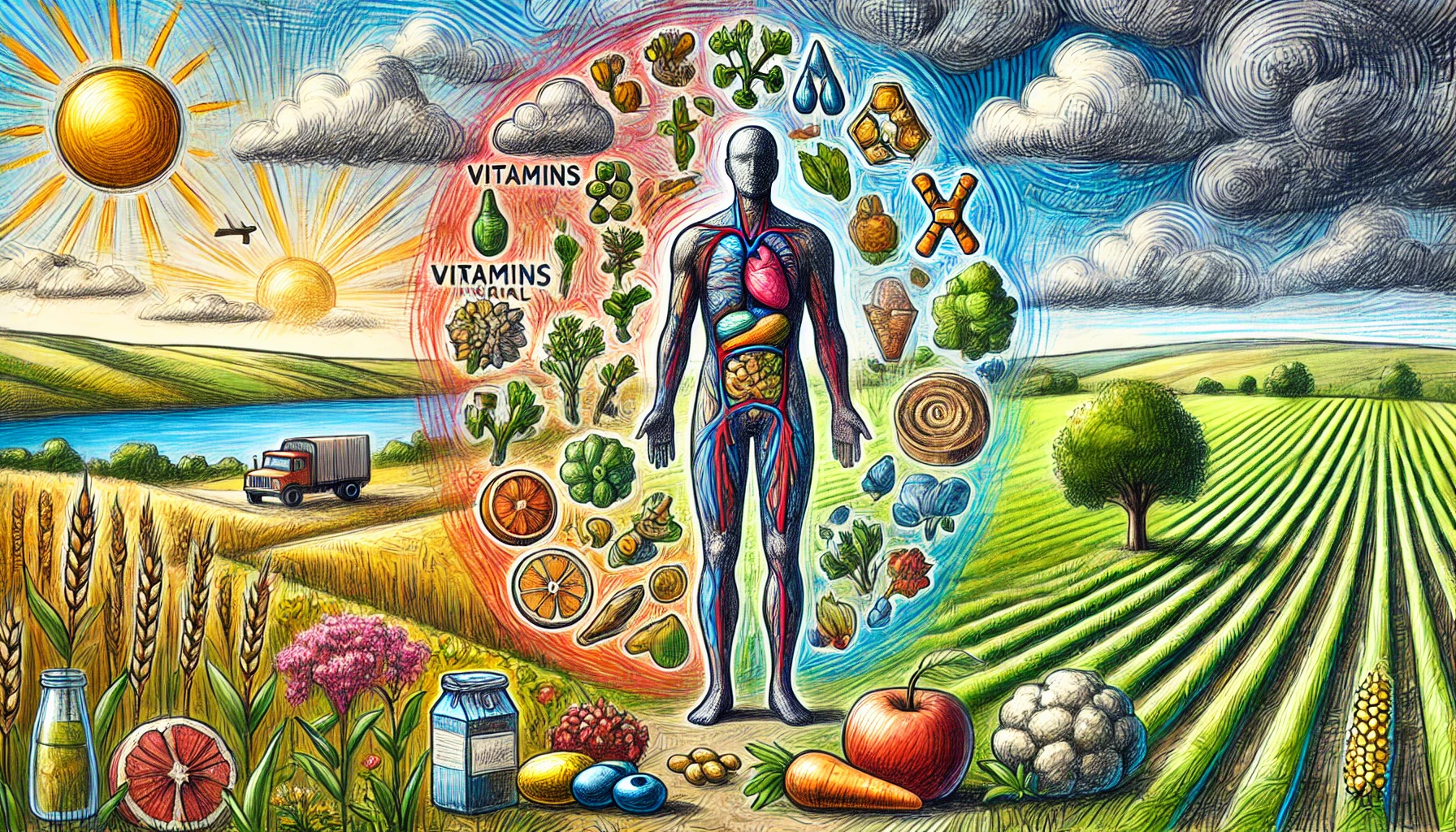
Nutritional deficiencies can have profound impacts on health, often contributing to the development and progression of chronic diseases. These deficiencies occur when the body does not get enough essential nutrients from the diet, leading to impaired bodily functions and increased vulnerability to illness. Understanding how nutritional deficiencies influence chronic diseases is critical for prevention and management.
Chronic diseases, such as heart disease, diabetes, and osteoporosis, are long-term conditions that often result from a combination of genetic, environmental, and lifestyle factors. Nutritional deficiencies play a significant role in exacerbating these conditions by affecting bodily processes essential for maintaining health. This blog explores the common nutritional deficiencies, their symptoms, and their connections to chronic diseases.
1. Iron Deficiency and Anemia
- Impact on Health:
- Iron deficiency is the most common nutritional deficiency worldwide and a leading cause of anemia.
- Anemia results in fatigue, weakness, and impaired cognitive function due to reduced oxygen delivery to tissues.
- Chronic Disease Connection:
- Cardiovascular Disease: Anemia can strain the cardiovascular system, leading to heart failure or exacerbating existing heart conditions.
- Infectious Diseases: Anemia weakens the immune system, making individuals more susceptible to infections.
- Sources: Red meat, poultry, fish, legumes, spinach, fortified cereals.
- Prevention: Regular consumption of iron-rich foods, vitamin C to enhance absorption, and supplements if necessary.
2. Vitamin D Deficiency and Bone Health
- Impact on Health:
- Vitamin D is essential for calcium absorption and bone health.
- Deficiency can lead to rickets in children and osteomalacia or osteoporosis in adults.
- Chronic Disease Connection:
- Osteoporosis: Inadequate vitamin D levels result in weak, brittle bones and increased fracture risk.
- Autoimmune Diseases: Low vitamin D levels are associated with higher risks of autoimmune diseases such as multiple sclerosis and rheumatoid arthritis.
- Cardiovascular Disease: Deficiency has been linked to hypertension and other cardiovascular issues.
- Sources: Sunlight exposure, fatty fish, fortified dairy and plant-based milks, supplements.
- Prevention: Ensure adequate sun exposure, include fortified foods in the diet, and consider supplements as needed.
3. Vitamin B12 Deficiency and Neurological Health
- Impact on Health:
- Vitamin B12 is crucial for red blood cell formation, neurological function, and DNA synthesis.
- Deficiency can cause megaloblastic anemia, nerve damage, and cognitive disturbances.
- Chronic Disease Connection:
- Dementia and Cognitive Decline: Chronic deficiency can lead to irreversible neurological damage and increased risk of dementia.
- Cardiovascular Disease: Elevated homocysteine levels due to B12 deficiency can increase cardiovascular disease risk.
- Sources: Meat, poultry, fish, dairy products, eggs, fortified cereals.
- Prevention: Regular intake of B12-rich foods, supplements for vegans and older adults, and routine monitoring of B12 levels.
4. Calcium Deficiency and Osteoporosis
- Impact on Health:
- Calcium is essential for bone and teeth formation, muscle contraction, and nerve function.
- Deficiency can lead to weakened bones and increased risk of fractures.
- Chronic Disease Connection:
- Osteoporosis: Chronic calcium deficiency is a major risk factor for osteoporosis, particularly in postmenopausal women.
- Hypertension: Some studies suggest that low calcium intake may contribute to high blood pressure.
- Sources: Dairy products, fortified plant-based milks, leafy green vegetables, almonds.
- Prevention: Ensure adequate intake of calcium-rich foods, consider supplements if dietary intake is insufficient, and maintain vitamin D levels for optimal calcium absorption.
5. Magnesium Deficiency and Metabolic Health
- Impact on Health:
- Magnesium is involved in over 300 biochemical reactions in the body, including muscle and nerve function, blood glucose control, and bone health.
- Deficiency can cause muscle cramps, mental disorders, and cardiovascular issues.
- Chronic Disease Connection:
- Type 2 Diabetes: Magnesium deficiency is linked to insulin resistance and higher risk of type 2 diabetes.
- Cardiovascular Disease: Low magnesium levels are associated with hypertension, arrhythmias, and coronary artery disease.
- Sources: Nuts, seeds, whole grains, leafy green vegetables, dark chocolate.
- Prevention: Include a variety of magnesium-rich foods in the diet and consider supplements if needed.
6. Iodine Deficiency and Thyroid Function
- Impact on Health:
- Iodine is essential for the production of thyroid hormones, which regulate metabolism, growth, and development.
- Deficiency can lead to goiter, hypothyroidism, and developmental issues in children.
- Chronic Disease Connection:
- Hypothyroidism: Chronic iodine deficiency can result in hypothyroidism, characterized by fatigue, weight gain, and depression.
- Developmental Delays: In children, severe iodine deficiency can cause intellectual disabilities and stunted growth.
- Sources: Iodized salt, seaweed, fish, dairy products, eggs.
- Prevention: Use iodized salt in cooking and ensure dietary intake includes iodine-rich foods.
7. Zinc Deficiency and Immune Function
- Impact on Health:
- Zinc is crucial for immune function, protein synthesis, and DNA synthesis.
- Deficiency can impair immune response, wound healing, and growth.
- Chronic Disease Connection:
- Infectious Diseases: Zinc deficiency increases susceptibility to infections and can prolong recovery.
- Chronic Inflammatory Diseases: Low zinc levels are associated with chronic inflammatory conditions like rheumatoid arthritis.
- Sources: Meat, shellfish, legumes, seeds, nuts, dairy products.
- Prevention: Include a variety of zinc-rich foods in the diet and consider supplements during periods of increased need (e.g., illness, pregnancy).
8. Folate (Vitamin B9) Deficiency and Cardiovascular Health
- Impact on Health:
- Folate is vital for DNA synthesis, cell division, and red blood cell formation.
- Deficiency can lead to megaloblastic anemia and developmental issues during pregnancy.
- Chronic Disease Connection:
- Cardiovascular Disease: Low folate levels can result in elevated homocysteine, increasing the risk of cardiovascular diseases.
- Neural Tube Defects: Folate deficiency during pregnancy is associated with neural tube defects in the developing fetus.
- Sources: Leafy green vegetables, legumes, fortified cereals, citrus fruits, nuts, seeds.
- Prevention: Ensure adequate intake of folate-rich foods, take prenatal vitamins with folic acid during pregnancy, and consider supplements if needed.
9. Vitamin A Deficiency and Immune Function
- Impact on Health:
- Vitamin A is crucial for vision, immune function, and skin health.
- Deficiency can cause night blindness and increase susceptibility to infections.
- Chronic Disease Connection:
- Infectious Diseases: Vitamin A deficiency impairs immune function, making individuals more susceptible to infections.
- Eye Diseases: Chronic deficiency can lead to severe eye conditions, including blindness.
- Sources: Carrots, sweet potatoes, spinach, dairy products, liver, fortified foods.
- Prevention: Include both animal and plant sources of vitamin A in the diet and consider supplements in areas with high deficiency rates.
10. Omega-3 Fatty Acid Deficiency and Inflammation
- Impact on Health:
- Omega-3 fatty acids are essential for brain function, heart health, and reducing inflammation.
- Deficiency can lead to cognitive decline, cardiovascular issues, and chronic inflammation.
- Chronic Disease Connection:
- Cardiovascular Disease: Omega-3 deficiency increases the risk of heart disease, stroke, and hypertension.
- Inflammatory Diseases: Low omega-3 levels are associated with chronic inflammatory conditions like rheumatoid arthritis and inflammatory bowel disease.
- Sources: Fatty fish, flaxseeds, chia seeds, walnuts, algal oil.
- Prevention: Include omega-3-rich foods in the diet regularly and consider supplements if dietary intake is insufficient.
In conclusion, nutritional deficiencies can significantly impact overall health and contribute to the development and progression of chronic diseases. By understanding the role of essential nutrients and ensuring adequate intake through a balanced diet and appropriate supplementation, individuals can prevent deficiencies and support long-term health. Regular health check-ups and consultations with healthcare providers can help identify and address any nutritional gaps, promoting optimal well-being.