
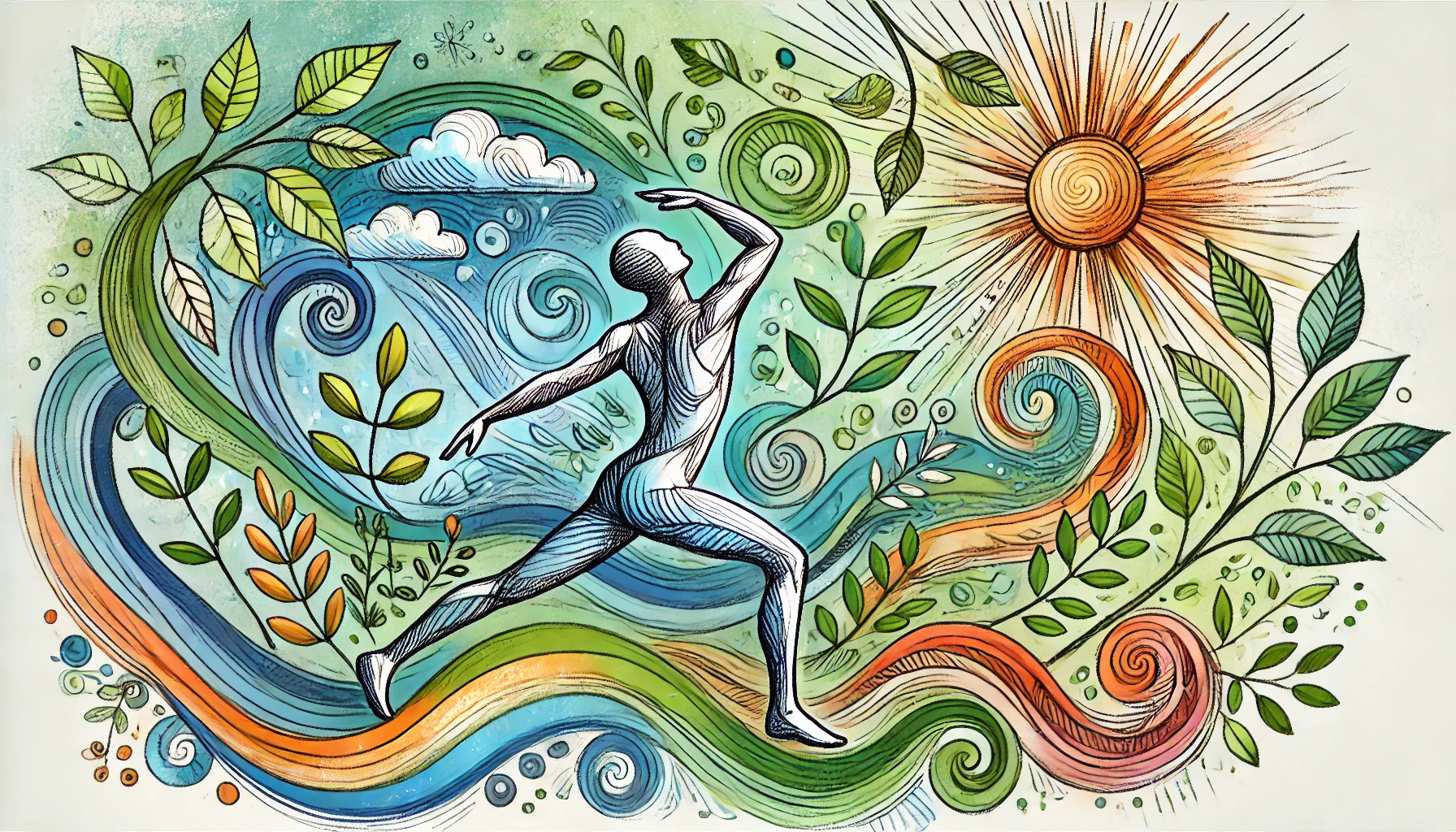
Movement meditation is an excellent way to blend physical activity with mindfulness, offering a unique approach to achieving mental clarity, relaxation, and inner peace. Unlike traditional forms of meditation, which often require stillness, movement meditation focuses on being mindful while in motion. Whether it’s walking, yoga, tai chi, or even dancing, movement meditation encourages you to be fully present in each physical movement, helping you cultivate awareness and deepen your connection to the present moment. This practice is particularly beneficial for people who find sitting meditation challenging or prefer a more dynamic approach to mindfulness.
In movement meditation, the body and mind work in harmony, allowing you to experience both mental relaxation and physical well-being. As you focus on the sensations, rhythm, and flow of your movements, you quiet the mind, reduce stress, and build a greater sense of awareness. This blog will explore what movement meditation is, its key benefits, and how you can incorporate it into your daily routine to enhance your physical, emotional, and mental health.
1. What Is Movement Meditation?
- Definition: Movement meditation is a practice where you combine physical activity with mindfulness, allowing you to be fully present in your movements. Unlike seated meditation, it focuses on bringing awareness to your body as you engage in gentle, flowing motions.
- How It Works: During movement meditation, you focus on the sensations of your body as it moves, the rhythm of your breath, and your surroundings. The key is to stay fully present in each movement, avoiding distractions and simply observing your body’s natural flow.
- Types of Movement: Movement meditation can include walking, yoga, tai chi, qigong, or even simple stretching exercises. The goal is not to exercise or achieve fitness but to synchronize your movements with your awareness.
2. The Connection Between Movement and Mindfulness
- Physical and Mental Integration: Movement meditation is about integrating the body and mind through motion. As you engage in mindful movement, you develop greater awareness of your physical body, breath, and emotional state.
- Present-Moment Awareness: By focusing on your movement, you cultivate a sense of mindfulness, which keeps you anchored in the present moment. You become more attuned to how your body feels, how your breath flows, and how your mind reacts to each movement.
- Stress Reduction: The combination of physical activity and mindfulness helps reduce stress and anxiety by releasing physical tension and promoting mental relaxation. Movement meditation encourages a slower, more thoughtful pace that calms both the body and mind.
3. Key Benefits of Movement Meditation
1. Enhances Mind-Body Connection
- Movement meditation strengthens the connection between your mind and body, helping you become more aware of your physical sensations. This heightened awareness can improve your ability to listen to your body’s needs, whether it’s rest, movement, or relaxation.
- By paying attention to how your body feels during each movement, you cultivate self-awareness, which helps you recognize tension or discomfort that you may normally ignore.
2. Improves Focus and Concentration
- Engaging in mindful movement requires you to focus on each step, stretch, or motion, which enhances your concentration. The repetitive nature of movements, such as walking or yoga poses, helps train your brain to stay focused on the present task.
- Over time, this practice improves your ability to maintain focus in everyday activities, making it easier to stay present and avoid distractions.
3. Reduces Stress and Anxiety
- Movement meditation promotes deep relaxation by encouraging slow, deliberate motions and mindful breathing. As you move, your body releases tension, and your mind naturally quiets down.
- This practice is particularly effective at reducing stress and anxiety, as it combines physical movement (which can release stress-related tension) with mindfulness techniques that calm the nervous system.
4. Supports Emotional Balance
- Movement meditation can help you manage your emotions by creating space for reflection and self-awareness. As you move mindfully, you may become more attuned to your emotional state, which allows you to address feelings like frustration, anger, or sadness without becoming overwhelmed by them.
- By staying present with your emotions during movement, you cultivate emotional resilience, making it easier to navigate difficult feelings with a sense of calm and balance.
5. Boosts Physical Well-Being
- While the focus of movement meditation is on mindfulness rather than exercise, it still promotes physical well-being. Gentle movements like stretching, walking, or yoga help improve circulation, flexibility, and muscle tone.
- Engaging in regular movement meditation can also improve your posture and body alignment, which helps prevent physical discomfort or injuries over time.
4. Types of Movement Meditation Practices
1. Walking Meditation
- Overview: Walking meditation involves walking slowly and mindfully, focusing on the sensation of your feet touching the ground, the rhythm of your steps, and your breath. This practice encourages you to be fully present in each step, cultivating a deep sense of calm and awareness.
- How to Practice: Start by walking at a slow pace in a quiet area. Focus on your breath and the physical sensations of walking, such as the movement of your legs and the contact between your feet and the ground. Try to keep your attention on the present moment, avoiding distractions.
2. Yoga
- Overview: Yoga is a movement meditation practice that combines physical postures (asanas), breath control (pranayama), and mindfulness to create a sense of balance and well-being. Each pose is practiced with mindful awareness of the body and breath.
- How to Practice: Begin with a simple yoga sequence, focusing on your breath and the sensations of each pose. Move through the postures slowly and with intention, paying attention to how your body feels in each stretch and transition.
3. Tai Chi
- Overview: Tai chi is a Chinese martial art that incorporates slow, flowing movements with deep breathing and mindfulness. It’s often described as “meditation in motion” due to its emphasis on cultivating inner awareness and harmony.
- How to Practice: Follow a basic tai chi sequence, moving slowly and deliberately. Focus on the flow of energy through your body, your breath, and your posture as you transition from one movement to the next.
4. Qigong
- Overview: Qigong is a traditional Chinese practice that combines gentle movements, breath control, and meditation to cultivate life force energy (qi). The slow, deliberate movements help you build physical and mental balance.
- How to Practice: Practice a simple qigong routine, focusing on the alignment of your body, the smoothness of your movements, and the connection between your breath and energy flow.
5. Dance Meditation
- Overview: Dance meditation encourages free-flowing movement with a focus on mindfulness and self-expression. It’s a creative and joyful way to meditate while moving, helping you release emotions and connect with your body’s natural rhythm.
- How to Practice: Play music that resonates with you, and let your body move naturally to the rhythm. Focus on the sensations of your body as you move, letting go of self-conscious thoughts and staying present with the experience.
5. How to Start a Movement Meditation Practice
1. Choose a Quiet Space
- Find a space where you can move comfortably without distractions. This could be a park, a room in your home, or any environment that allows you to focus on your movements.
2. Set an Intention
- Before you begin, set a clear intention for your practice. This could be to cultivate calmness, awareness, or self-compassion. Having an intention helps guide your focus throughout the session.
3. Focus on Your Breath
- As you begin to move, synchronize your breath with your motions. Whether you’re walking, stretching, or practicing yoga, let your breath guide the rhythm of your movements. Focusing on the breath helps keep your mind anchored in the present moment.
4. Stay Present with Your Body
- Pay attention to the sensations in your body as you move. Notice how your muscles feel, how your joints bend, and how your body shifts with each movement. If your mind starts to wander, gently bring your focus back to your body and breath.
5. Start Small and Be Consistent
- Start with short sessions of movement meditation, perhaps 5-10 minutes, and gradually increase the duration as you become more comfortable. Consistency is key to developing a deeper connection with your body and mind through movement.
6. Tips for Success in Movement Meditation
- Be Patient: Movement meditation takes time to master, especially if you’re used to more static forms of meditation. Be patient with yourself as you learn to combine mindfulness with movement.
- Keep It Gentle: Focus on gentle, flowing movements rather than intense physical exercise. The goal is not to achieve fitness but to cultivate awareness and relaxation.
- Let Go of Expectations: Movement meditation is about being present, not achieving specific goals. Let go of expectations about how your practice should feel or look, and simply observe your experience.
7. Movement Meditation for Everyday Life
- Walking Mindfully: Turn everyday walks into moments of meditation by focusing on your breath and the sensation of walking. Pay attention to your surroundings, such as the sounds of nature or the feeling of the wind on your skin.
- Stretching Breaks: Take short stretching breaks during your workday, using each stretch as an opportunity to practice mindfulness. Focus on how your body feels as you release tension in your muscles.
- Mindful Chores: Turn routine activities, like washing dishes or cleaning, into movement meditation by paying attention to each movement and staying present in the moment.
Conclusion: Why Movement Meditation Matters
Movement meditation offers a powerful way to combine mindfulness with physical activity, allowing you to cultivate awareness, reduce stress, and improve your mind-body connection. Whether through walking, yoga, tai chi, or dance, movement meditation encourages you to be present in each movement, deepening your sense of calm and inner peace. By incorporating movement meditation into your daily routine, you can experience the benefits of both mental clarity and physical well-being. Whether you’re new to mindfulness or seeking a more dynamic way to meditate, movement meditation provides a unique and accessible path to relaxation and self-awareness.