
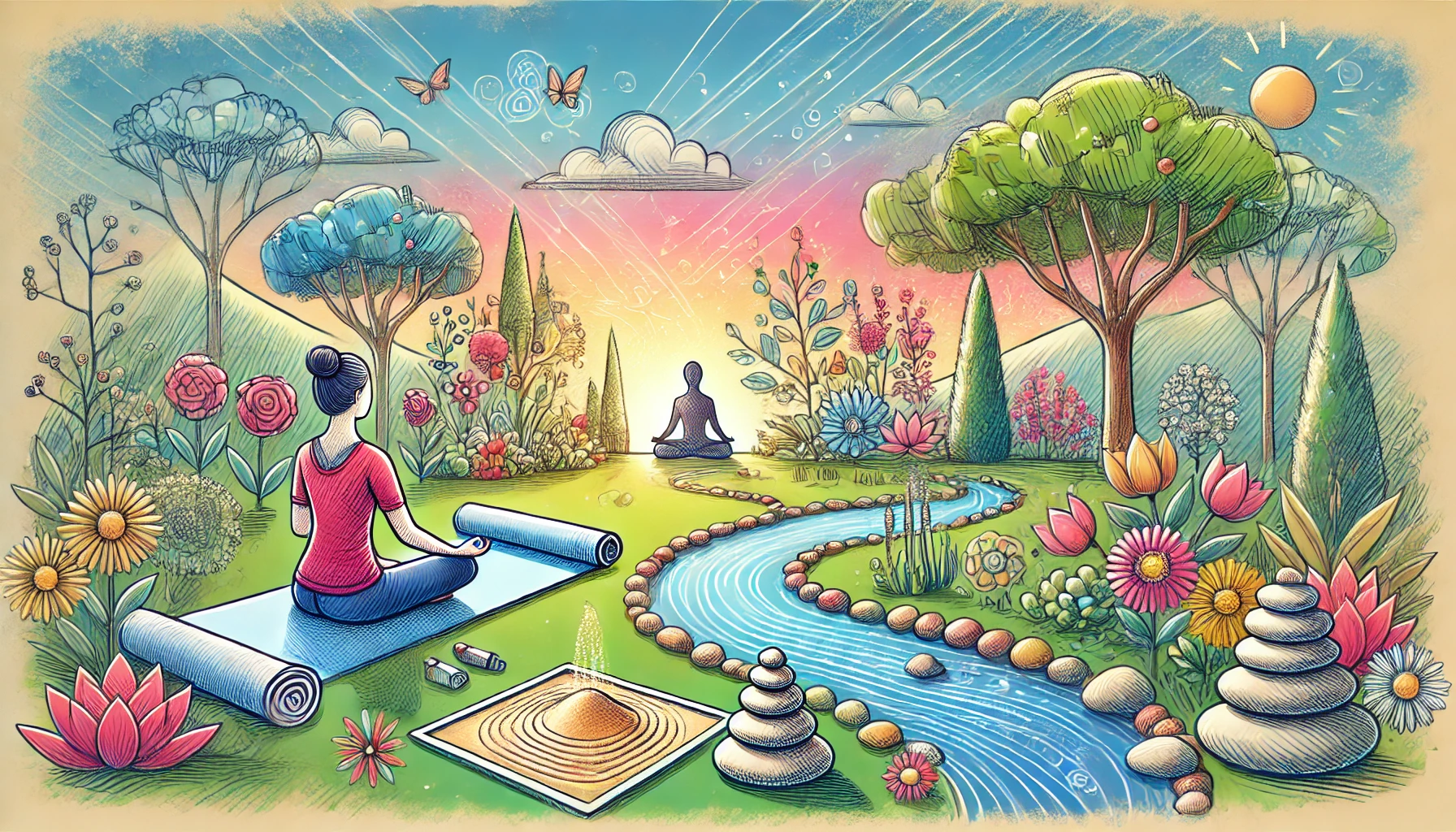
In today’s fast-paced and demanding world, stress has become a common part of life for many people. While a certain amount of stress can be beneficial by motivating us to perform well, chronic stress can have detrimental effects on our mental and physical health. Mindfulness, the practice of being fully present and engaged in the moment, offers powerful techniques to reduce stress and enhance overall well-being. By integrating mindfulness into our daily lives, we can better manage stress and cultivate a sense of calm and balance.
Mindfulness involves paying attention to our thoughts, feelings, and bodily sensations with an open, non-judgmental attitude. This practice helps us become more aware of our stress triggers and develop healthier responses to them. In this blog, we will explore ten mindfulness techniques that are effective in reducing stress and promoting relaxation.
1. Mindful Breathing
- Focused Attention: Focus your attention on your breath, noticing the sensation of the air entering and leaving your nostrils or the rise and fall of your chest and abdomen.
- Deep Breathing: Practice deep breathing by inhaling deeply through your nose, holding for a few seconds, and exhaling slowly through your mouth. This activates the parasympathetic nervous system, promoting relaxation.
- Counting Breaths: Count your breaths to maintain focus. For example, inhale for a count of four, hold for a count of four, and exhale for a count of four.
- Anchor Your Mind: Use your breath as an anchor to bring your mind back to the present moment whenever it wanders.
- Regular Practice: Incorporate mindful breathing into your daily routine, even for just a few minutes, to reduce stress and increase relaxation.
2. Body Scan Meditation
- Progressive Awareness: Starting from your toes, slowly move your attention up through your body, noticing any sensations, tension, or areas of relaxation.
- Tension Release: As you scan your body, consciously relax any areas of tension you encounter.
- Mindful Sitting: You can do this exercise while sitting at your desk, lying down, or during a break.
- Brief Practice: Even a brief 2-3 minute body scan can help you reconnect with your body and reduce stress.
- Regular Routine: Incorporate body scan meditation into your daily routine, especially before bedtime, to promote relaxation and better sleep.
3. Mindful Walking
- Sensory Awareness: Focus on the sensations in your feet as they make contact with the ground. Notice the pressure, temperature, and movement.
- Environmental Observation: Pay attention to your surroundings, observing the sights, sounds, and smells around you.
- Slow Pace: Walk slowly and deliberately, fully experiencing each step.
- Breath Coordination: Sync your breathing with your steps to enhance the mindfulness practice.
- Routine Integration: Integrate mindful walking into your daily routines, such as walking to your car, during lunch breaks, or while running errands.
4. Mindful Eating
- Savor Each Bite: Eat slowly, savoring each bite, and pay attention to the taste, texture, and aroma of your food.
- Single-Tasking: Focus solely on eating, avoiding distractions like TV, phones, or work.
- Gratitude Practice: Take a moment to express gratitude for your food and the effort that went into preparing it.
- Portion Awareness: Notice your body’s hunger and fullness cues, and eat in response to them.
- Mindful Snacking: Apply these principles to snacks and drinks, turning every eating experience into a mindful one.
5. Mindful Listening
- Full Attention: Give your undivided attention to the person speaking, putting aside distractions and focusing solely on them.
- Body Language: Use positive body language, such as making eye contact and nodding, to show that you are engaged and listening.
- Avoid Interruptions: Resist the urge to interrupt or plan your response while the other person is speaking.
- Reflective Responses: Reflect back what you hear to ensure understanding and show empathy.
- Emotional Awareness: Be mindful of your emotions and reactions as you listen, and strive to remain calm and open.
6. Loving-Kindness Meditation
- Cultivating Compassion: Begin by focusing on yourself, silently repeating phrases like “May I be happy, may I be healthy, may I be safe, may I live with ease.”
- Extend to Others: Gradually extend these wishes to others, starting with loved ones, then friends, acquaintances, and even people you have difficulties with.
- Universal Love: Finally, extend these wishes to all beings everywhere.
- Feel the Emotion: Try to genuinely feel the emotions of love and kindness as you repeat the phrases.
- Regular Practice: Incorporate loving-kindness meditation into your routine to cultivate compassion and empathy.
7. Mindful Journaling
- Reflective Writing: Spend a few minutes each day writing down your thoughts, feelings, and experiences. Reflect on what you are grateful for and any stressors you encountered.
- Emotional Awareness: Use journaling as a way to explore and process your emotions, helping you gain insight and clarity.
- Stress Release: Writing about stressful events can help reduce their impact and provide a sense of relief.
- Goal Setting: Set mindful goals for yourself and track your progress in your journal.
- Regular Habit: Make journaling a regular part of your routine to enhance self-awareness and reduce stress.
8. Progressive Muscle Relaxation
- Systematic Tensing and Relaxing: Starting from your toes, systematically tense and then relax each muscle group in your body.
- Awareness of Tension: Notice the difference between tension and relaxation in your muscles, helping you become more aware of physical stress.
- Deep Breathing: Combine this technique with deep breathing to enhance relaxation.
- Regular Practice: Incorporate progressive muscle relaxation into your routine, especially before bedtime or during high-stress periods.
- Stress Management: Use this technique whenever you feel physically tense or stressed to quickly reduce muscle tension.
9. Mindful Visualization
- Peaceful Imagery: Close your eyes and visualize a peaceful scene, such as a beach, forest, or mountain. Imagine yourself fully immersed in this environment.
- Sensory Details: Engage all your senses in the visualization, noticing the sights, sounds, smells, and feelings associated with the scene.
- Calming Effect: Use visualization to create a sense of calm and relaxation, reducing stress and anxiety.
- Regular Practice: Incorporate mindful visualization into your daily routine, especially during breaks or before bedtime.
- Guided Visualizations: Use guided visualization recordings or apps to help enhance the practice.
10. Mindful Digital Detox
- Screen-Free Time: Designate certain times of the day to be free from digital devices and screens.
- Mindful Use: When using digital devices, be mindful of your posture, the content you are engaging with, and your emotional responses.
- Breaks and Breathing: Take regular breaks from screens to breathe deeply and refocus your attention.
- Nature Connection: Spend time outdoors without digital devices, focusing on the natural environment.
- Sleep Hygiene: Avoid screens at least an hour before bed to promote better sleep and relaxation.
Mindfulness offers a range of techniques that can effectively reduce stress and enhance overall well-being. By incorporating these practices into your daily routine, you can develop a more mindful approach to life, manage stress more effectively, and cultivate a sense of calm and balance. Remember, the goal of mindfulness is not perfection but to bring a compassionate and non-judgmental awareness to whatever you are doing. As you practice mindfulness, you will likely find greater peace and joy in everyday moments.